
JetBlue Flight B61548, an Airbus A321-271NX Flying from Las Vegas to New York, Was Diverted to and Landed at Raleigh–Durham International Airport on 18 July: Here Are All the Details

Published
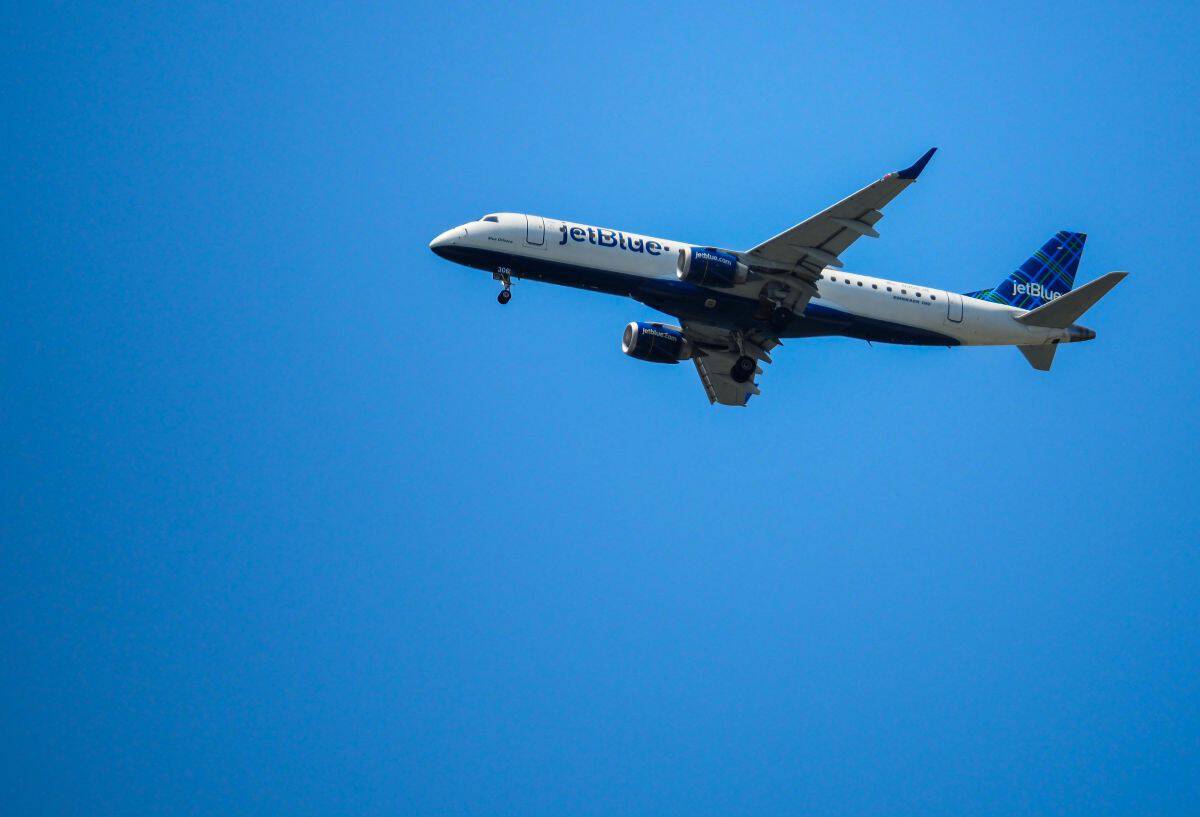
Image generated with Ai
JetBlue Flight B61548, an Airbus A321-271NX flying from Las Vegas to New York, was diverted to and landed at Raleigh–Durham International Airport on 18 July. Here are all the details. JetBlue Flight B61548, an Airbus A321-271NX flying from Las Vegas to New York, was diverted to and landed at Raleigh–Durham International Airport on 18 July. The flight started normally. Then it changed course mid-air. It did not reach New York. Instead, it landed safely at Raleigh–Durham. There is no confirmed emergency. However, the diversion suggests a precautionary and safety-first operational decision by the pilots.
Why was the Las Vegas to New York flight diverted to Raleigh–Durham?
The flight was scheduled to depart Las Vegas at 10:25 but actually took off at 12:04, already running late before continuing eastbound toward New York with an expected arrival time of 18:32, yet it did not reach JFK and instead diverted to Raleigh–Durham International Airport. Flight records confirm the aircraft as Airbus A321neo registration N2199J, and the change in route meant passengers did not reach their planned destination as scheduled.
Advertisement
Advertisement
At the time of reporting, neither the airline nor aviation authorities had issued an official explanation for the diversion, which leaves the exact cause unverified and open only to general operational possibilities. In aviation, diversions can occur due to weather disruptions near the destination, technical checks, onboard medical situations or heavy air traffic, but without confirmation, no single cause can be stated as fact, and passengers are advised to follow official airline updates for clarity.
What does a diversion like this mean in aviation terms?
A diversion is a standard safety procedure used in commercial aviation when continuing to the original destination is no longer considered the safest or most efficient option, and it is a normal part of airline operations. Flight crews constantly monitor weather, aircraft systems, fuel levels and air traffic conditions, allowing them to make immediate decisions when circumstances change during the journey.
Advertisement
Advertisement
For an aircraft like the Airbus A321neo, which is designed for medium to long domestic routes, selecting an alternate airport such as Raleigh–Durham involves careful evaluation of distance, runway suitability and available airport services. The decision is taken jointly by pilots and airline operations teams, ensuring that safety remains the top priority, and importantly, a diversion does not automatically indicate a serious emergency but rather reflects a precautionary step taken to manage risk effectively.
Why was Raleigh–Durham chosen as the alternate airport?
Raleigh–Durham International Airport is a major commercial airport with full operational capability, making it suitable for handling unscheduled arrivals from narrow-body aircraft like the Airbus A321neo. Its infrastructure includes long runways, passenger facilities and airline support services, which allow flights to land safely and manage passengers efficiently during unexpected diversions.
Advertisement
Advertisement
However, the choice of Raleigh–Durham does not itself explain the reason for the diversion, as pilots consider multiple factors such as proximity, weather conditions, fuel status and airport capacity before selecting an alternate location. According to FAA operational guidance, diversion decisions are part of a broader safety system designed to reduce risk, meaning the airport was likely chosen because it offered the safest and most practical option at that moment.
What happens after the aircraft lands and what should passengers do?

Image generated with Ai
After landing at Raleigh–Durham, airline and ground teams typically assess the situation to determine the next steps, including whether the aircraft can continue to New York or if passengers need to be rebooked or transferred. Maintenance checks may be carried out, crew schedules reviewed and operational decisions made before any further movement of the aircraft or passengers.
Advertisement
Advertisement
Passengers should follow airline announcements, monitor official communication channels and keep travel documents and receipts for any additional expenses, as these may be needed later for support or claims. According to US Department of Transportation passenger rights, delays do not always guarantee compensation, but travellers may be eligible for assistance depending on the situation, and in this case, the safe landing indicates a controlled and precautionary decision taken to protect everyone onboard.
Does the diversion indicate a serious incident?
A diversion does not automatically mean that a serious incident occurred, as airlines frequently redirect flights for precautionary reasons that never escalate into emergencies. The available data confirms only that the aircraft did not complete its planned journey to New York and instead landed safely at Raleigh–Durham, without any confirmed reports of injuries or onboard crisis.
Pilots are trained to act early when conditions change, and under aviation rules, they have full authority to choose the safest course of action during a flight. This means that even minor concerns can lead to a diversion, not because the situation is critical, but because preventing risk is always the priority, making this event most likely a routine safety-driven operational decision rather than a major aviation emergency.
JetBlue Flight B61548 was diverted to Raleigh–Durham because continuing to New York may not have been the safest or most practical option at that time. The exact reason is still unknown, as no official statement has been released by JetBlue or aviation authorities. However, such diversions are common in aviation and may happen due to weather changes, minor technical checks, air traffic congestion or onboard situations needing attention. The aircraft landed safely, and no injuries were reported. In simple terms, the diversion was most likely a precautionary decision taken by the pilots to reduce risk and ensure passenger safety.
Image: JetBlue Flight
Advertisement
