
Cambodia Leads Thailand, Vietnam and Other Countries as Siem Reap Angkor Ignites a Historic Tourism Empire Revival With a Powerful Nationwide Connectivity Strategy, Multi Destination Travel Boom and Record Visitor Spending Opportunities

Published
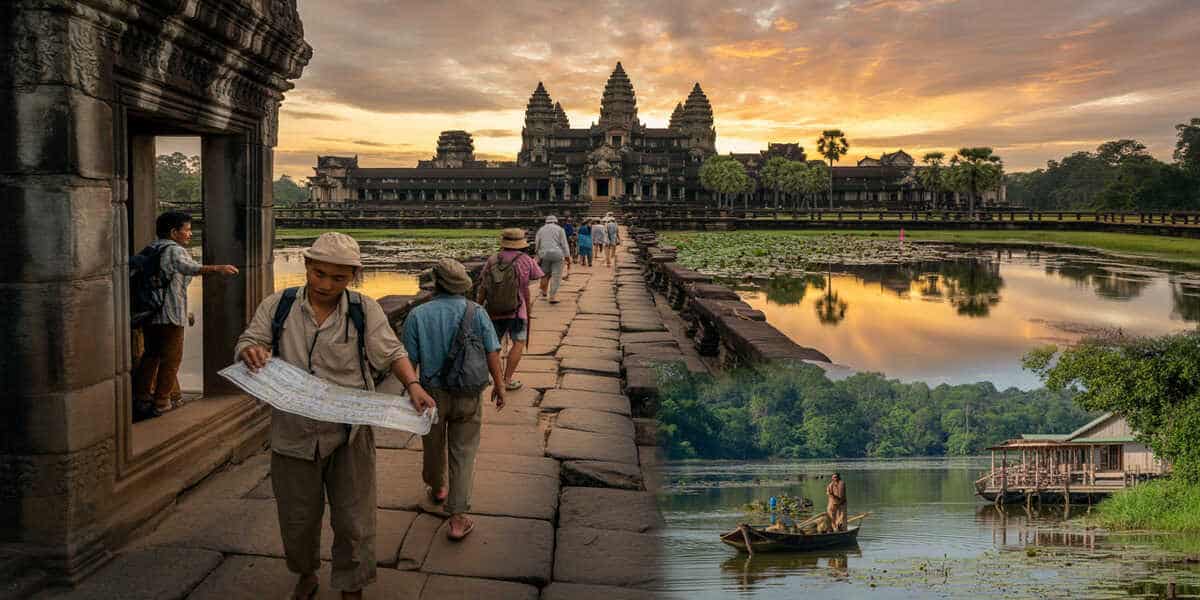
Image generated with Ai
Cambodia is expanding its tourism ambitions by building a powerful multi-destination travel network that connects Siem Reap Angkor with cultural sites, coastal regions and natural attractions across the country. The new connectivity strategy aims to increase visitor stays, boost tourism spending and create wider economic opportunities beyond Cambodia’s famous temples. As Thailand, Vietnam and other Southeast Asian destinations continue attracting global travellers, Cambodia is strengthening its own position by offering a complete journey filled with heritage, nature and authentic local experiences. The move marks a major shift towards a more connected and competitive tourism future for the Kingdom.
Cambodia is making a powerful move to reshape the future of tourism in Southeast Asia. The country is building a new nationwide tourism connectivity strategy that places Siem Reap Angkor at the centre of a major travel transformation.
Advertisement
Advertisement
The plan aims to connect Cambodia’s most famous heritage destination with hidden cultural sites, coastal escapes and natural wonders across the country. Through new tour packages, joint marketing campaigns and promotional offers, Cambodia wants travellers to explore more places, stay longer and spend more.
For decades, Siem Reap Angkor has been Cambodia’s global tourism symbol. The ancient temples have attracted visitors from across the world. However, Cambodia is now moving beyond single-destination tourism.
Advertisement
Advertisement
The country is creating a wider travel network that allows visitors to experience Cambodia as a complete destination.
Advertisement
Advertisement
This strategy places Cambodia in a stronger position within the competitive Southeast Asian tourism market, where countries such as Thailand, Vietnam, Laos and other regional destinations continue to attract millions of international travellers.
Cambodia’s message is becoming clear: the journey should not end at Angkor. It should begin there.
Cambodia Expands Thailand and Vietnam With a New Multi Destination Tourism Vision
Southeast Asia has become one of the world’s most competitive tourism regions. Countries such as Thailand and Vietnam have developed powerful tourism brands through beaches, culture, food, nature and modern infrastructure.
Advertisement
Advertisement
Thailand has long been recognised as a global tourism leader. Destinations such as Bangkok, Phuket, Krabi and Chiang Mai attract travellers looking for city experiences, island holidays and cultural adventures.
Vietnam has also grown rapidly as an international tourism destination. Cities such as Hanoi and Ho Chi Minh City, along with destinations like Ha Long Bay, Da Nang and Hoi An, have helped Vietnam build a strong global travel identity.
Advertisement
Advertisement
Cambodia is now strengthening its own position by creating a different tourism model.
Instead of competing only through one attraction, Cambodia is connecting multiple experiences together.
The new strategy links:
- Ancient Khmer heritage
- Coastal tourism
- Nature experiences
- Rural communities
- Cultural activities
This approach allows Cambodia to offer travellers a complete journey rather than a short visit.
By expanding beyond Siem Reap Angkor, Cambodia aims to create a tourism ecosystem that can compete with established regional destinations.
Advertisement
Advertisement
Siem Reap Angkor Becomes the Gateway to Cambodia’s Tourism Revolution
At the heart of this transformation is Siem Reap Angkor.
The famous heritage destination remains Cambodia’s strongest tourism attraction. However, its role is changing.
Instead of being only a place where visitors spend a few days exploring temples, Siem Reap Angkor is becoming the gateway to wider Cambodian adventures.
A traveller arriving to see Angkor’s ancient wonders can now be encouraged to continue towards other provinces.
This creates opportunities for longer holidays.
Advertisement
Advertisement
Visitors can explore historical locations, experience local communities, enjoy coastal landscapes and discover Cambodia’s natural beauty.
The strategy supports the idea that one destination can introduce travellers to an entire country.
This model can increase visitor spending because longer stays create greater demand for hotels, restaurants, transport services and local tourism businesses.
Cambodia is turning its most famous attraction into a national tourism engine.
Northern and Northwestern Cambodia Create a Heritage Travel Powerhouse
The Northern and Northwestern tourism cluster is one of the most important parts of the strategy.
Advertisement
Advertisement
This cluster includes:
- Siem Reap
- Kampong Thom
- Battambang
- Banteay Meanchey
- Oddar Meanchey
- Preah Vihear
The region offers a deep connection with Cambodia’s history and culture.
Siem Reap provides the world-famous Angkor experience. However, nearby provinces add more layers to the journey.
Battambang offers traditional Cambodian culture and historic charm. Kampong Thom provides additional heritage experiences. Preah Vihear adds another important connection to the ancient Khmer civilisation.
By connecting these destinations, Cambodia can encourage travellers to move beyond one famous location.
Advertisement
Advertisement
This helps spread tourism income to more communities and creates new business opportunities outside the main tourism centres.
Cambodia’s Coastal Cluster Creates Competition With Thailand’s Island Tourism Strength
Cambodia is also expanding its coastal tourism potential through the Coastal cluster.
The cluster includes:
- Kep
- Kampot
- Preah Sihanouk
- Koh Kong
This region allows Cambodia to compete more strongly in the beach tourism market.
Thailand has built a global reputation through destinations such as Phuket and Krabi. Vietnam has also strengthened its coastal tourism through destinations such as Da Nang and Nha Trang.
Advertisement
Advertisement
Cambodia now wants to showcase its own coastal identity.
Kep and Kampot offer peaceful coastal experiences, local culture and relaxed travel environments. Preah Sihanouk and Koh Kong provide opportunities for island tourism and marine experiences.
By connecting beaches with heritage tourism, Cambodia can offer something different from traditional beach-only holidays.
A visitor can explore ancient temples and then continue towards tropical coastal destinations.
Northeastern Cambodia Brings Nature Tourism Into the Global Spotlight
The Northeastern tourism cluster adds another important element to Cambodia’s tourism expansion.
Advertisement
Advertisement
The cluster includes:
- Kratie
- Stung Treng
- Mondulkiri
- Ratanakiri
This region focuses on nature, wildlife and adventure experiences.
Global travellers are increasingly searching for authentic destinations with natural landscapes and unique local experiences.
Cambodia’s northeast provides opportunities for eco-tourism and nature-based travel.
The region’s forests, rivers and rural communities create experiences that are different from major city tourism.
Advertisement
Advertisement
This gives Cambodia another advantage in the growing global demand for sustainable and meaningful travel.
Vietnam, Laos and China Strengthen the Regional Tourism Competition
Cambodia’s tourism transformation is also happening within a wider regional environment.
Vietnam continues to expand its tourism appeal through heritage cities, beaches and natural attractions. Its success shows the growing demand for diverse travel experiences in Southeast Asia.
Laos, another neighbouring country, has also focused on cultural heritage, nature tourism and slower travel experiences. Destinations such as Luang Prabang demonstrate the popularity of authentic cultural tourism.
China remains one of the most important tourism markets in Asia. Chinese travellers have historically represented a major source market for Cambodia and other Southeast Asian countries.
Advertisement
Advertisement
Cambodia’s improved tourism connectivity can help strengthen its appeal among international visitors, including travellers from nearby Asian markets.
The country is creating a stronger tourism network at a time when regional competition is becoming more intense.
Green Season Campaign Creates Fresh Tourism Opportunities Throughout 2026
Cambodia is also working to increase travel during the traditional low season.
The Visit Cambodia Green Season 2026 campaign aims to attract visitors by highlighting Cambodia’s beauty during the greener months.
The country is promoting the idea that every season offers unique travel experiences.
Advertisement
Advertisement
As part of this campaign, Cambodia launched the 2026 Siem Reap Tourism Service Mega Sale.
The promotion offers discounts between 10% and 50% on selected:
- Hotels
- Spa services
- Tourism products
These offers encourage visitors to travel more affordably while supporting tourism businesses.
The campaign strengthens Cambodia’s goal of becoming a year-round destination.
Cambodia’s Tourism Strategy Could Unlock Bigger Economic Growth
The biggest impact of the strategy could come from increased visitor spending.
Advertisement
Advertisement
A traveller who explores several destinations contributes to multiple parts of the economy.
More nights mean more hotel revenue.
More journeys mean more transport demand.
More experiences mean more income for local communities.
The cluster approach allows tourism benefits to reach more provinces.
Advertisement
Advertisement
Small businesses, local operators and communities can gain new opportunities from international tourism growth.
This creates a stronger and more balanced tourism industry.
Cambodia’s Tourism Future Moves Beyond One Landmark Toward a National Experience
Cambodia’s new tourism connectivity strategy represents a major change in how the country presents itself to the world.
Siem Reap Angkor will continue to attract global travellers, but Cambodia is building something much larger around it.
The country is creating a connected tourism network that combines heritage, beaches, nature and culture.
Advertisement
Advertisement
While Thailand, Vietnam, Laos and other Southeast Asian destinations continue to compete for international visitors, Cambodia is creating its own powerful tourism identity.
The future of Cambodian tourism will not depend on one destination.
It will depend on a complete national experience where every province has a role in welcoming travellers.
With stronger connectivity, innovative travel packages and targeted promotions, Cambodia is preparing for a new era of tourism growth.
Cambodia is strengthening its tourism position by launching a nationwide connectivity strategy that links Siem Reap Angkor with cultural, coastal and nature destinations to increase visitor stays, spending and travel experiences. The move marks a major tourism expansion as Cambodia builds a stronger multi-destination model alongside Thailand, Vietnam and other Southeast Asian markets.
Cambodia’s new tourism connectivity strategy shows that the country is ready to tell a much bigger travel story beyond Siem Reap Angkor. By connecting heritage sites, coastal destinations and natural landscapes, Cambodia is creating more reasons for visitors to stay longer and explore deeper. The plan can help spread tourism benefits across provinces while giving travellers a richer experience of the Kingdom’s culture and beauty. As Southeast Asia’s tourism landscape continues to evolve, Cambodia’s focus on multi-destination travel could become a powerful step towards building a more balanced, inclusive and globally competitive tourism future.
Advertisement
