
Venice and Barcelona Move With Global Visitor Hotspots as Overtourism Strategies Redefine Tourism

Published
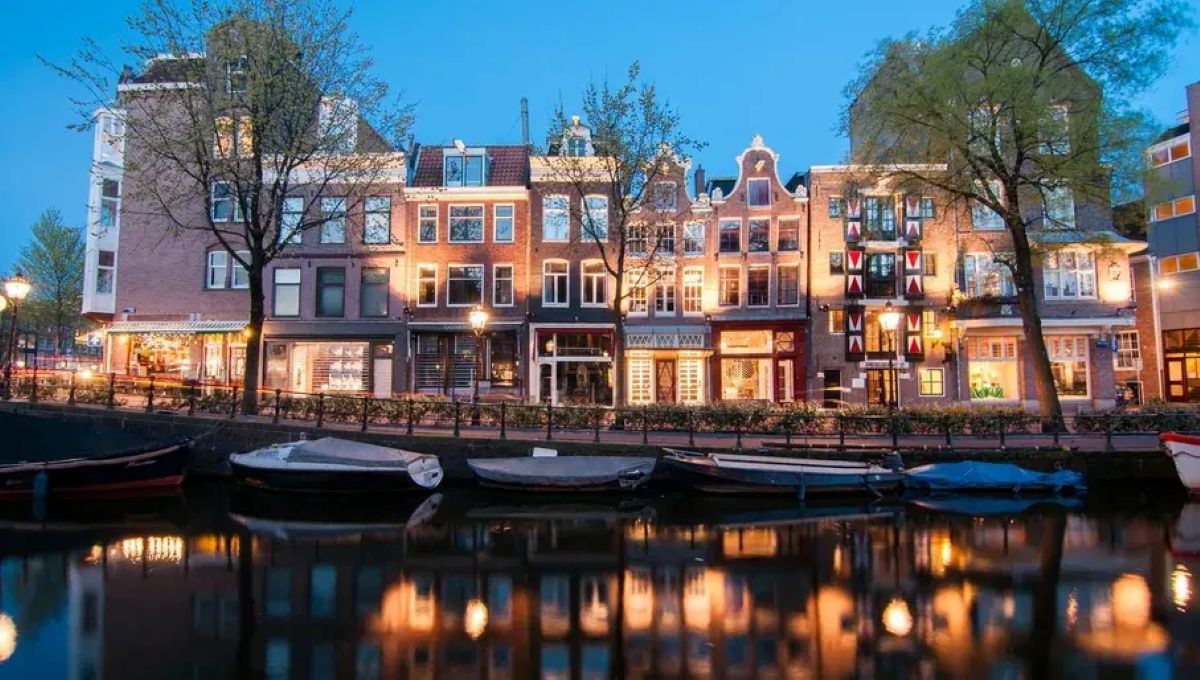
Venice has completed a wider 2026 access-fee experiment as destination authorities rethink overtourism strategies without abandoning tourism growth. The city applied its €5 or €10 visitor contribution across 60 non-consecutive days. It issued 679,553 paid vouchers and collected €5.21 million during the trial. Barcelona, Amsterdam, Kyoto and Bali are pursuing different approaches, ranging from housing restrictions to visitor dispersal and environmental levies. Their policies reveal a significant shift in travel management. Destinations increasingly target visitor concentration, accommodation pressure and environmental costs, rather than tourism alone. For travellers, this means future holidays may involve more advance planning, additional charges and greater pressure to explore beyond famous hotspots.
Five Destinations, Five Distinct Experiments
The modern overtourism debate has moved beyond the simple question of visitor numbers. Tourism can generate substantial employment, spending and tax revenue, yet concentrated arrivals can overwhelm housing, transport, public spaces and fragile ecosystems.
UN Tourism has previously argued that there is no single solution to excessive tourism pressure. Its urban tourism framework identified 11 strategies and 68 measures for managing visitor growth. These include spreading visitors geographically, managing peak periods, improving infrastructure and involving residents in destination planning.
That principle is now visible across several high-profile destinations. Venice is testing pricing, Barcelona is targeting tourist accommodation, Amsterdam is using neighbourhood-level controls, Kyoto is dispersing visitors and Bali is asking international tourists to contribute directly towards environmental and cultural protection.
Advertisement
Advertisement
| Destination | Latest tourism indicator | Principal intervention | Main pressure targeted |
|---|---|---|---|
| Venice | 679,553 paid 2026 access vouchers | €5–€10 access contribution | Day-visitor peaks |
| Barcelona | 15.6m tourists in 2024 | Tourist-home restrictions | Housing and urban pressure |
| Amsterdam | 23.7m overnight stays in 2025 | Rental and visitor controls | Neighbourhood pressure |
| Kyoto | 79.9% of surveyed residents reported tourism-related problems | Dispersal and tax reforms | Crowding and transport |
| Bali | 16.3m visitor trips in 2025 | Rp150,000 foreign-tourist levy | Environmental and cultural pressure |
The comparison matters because these policies pursue different objectives. The emerging model is not simply fewer tourists, but better-managed tourism.
Venice Puts A Price On Peak-Day Pressure
Venice provides the clearest experiment in using pricing to influence visitor behaviour. During its 2026 trial, the city applied the access contribution on 60 selected days between 3 April and 26 July.
Advertisement
Advertisement
Travellers who paid earlier faced a €5 charge, while those paying during the final days before entry paid €10. The structure therefore sought to reward advance planning rather than simply raise the cost of visiting.
The city recorded 679,553 paid vouchers and €5.215 million in revenue. It also reported a 32.3% reduction in the average daily number of paid vouchers compared with 2024, alongside fewer days reaching the highest visitor levels.
Advertisement
Advertisement
However, the data require careful interpretation. A fall in paid vouchers does not automatically demonstrate that tourism pressure has disappeared. Some visitors may have changed dates, stayed overnight, qualified for exemptions or altered their travel arrangements.
That distinction is increasingly important. UNESCO’s 2026 assessment said the effectiveness of Venice’s access-fee system in reducing visitor numbers has not yet been fully demonstrated. The organisation has called for stronger visitor-flow management and evidence-based carrying-capacity planning.
For travellers, the lesson is practical. Venice is moving towards a more managed arrival model, where checking dates and entry requirements can become as important as booking accommodation.
Barcelona Targets The Housing Behind Tourism
Barcelona’s approach tackles a different part of the tourism system. The city welcomed 15.6 million tourists in 2024, while tourist accommodation recorded almost 37 million overnight stays.
Advertisement
Advertisement
Tourism generated an estimated €10.317 billion in direct visitor spending during the year. The visitor economy also supports more than 155,000 jobs and represents roughly 14% of the city’s GDP.
Yet Barcelona increasingly sees accommodation supply as a central pressure point. The city plans to end licences for around 10,000 legal tourist-use homes by 2028, with the intention of returning those properties to ordinary residential use.
The policy is accompanied by enforcement against illegal tourist apartments. Barcelona reported more than 11,500 sanctions and almost 11,600 cessation orders since 2016. It says these measures helped recover nearly 3,900 homes for permanent residential use.
| Barcelona tourism measure | Latest figure |
|---|---|
| Tourists in 2024 | 15.6 million |
| Tourist overnight stays | Nearly 37 million |
| Direct visitor spending | €10.317 billion |
| International visitor share | 83% |
| Average daily spending | €91.70 |
| Average stay | 3 nights |
| Tourist homes targeted for licence extinction | About 10,000 |
This creates a crucial distinction between tourism demand and tourism capacity. Barcelona is not simply asking tourists to stay away. Instead, it is attempting to reshape where tourism accommodation exists and how much residential housing remains available.
For visitors, this could gradually favour regulated hotels and other formal accommodation. It may also make the choice of neighbourhood increasingly important as Barcelona manages tourism intensity across the urban area.
Amsterdam Takes The Fight Street By Street
Amsterdam has moved further towards geographically targeted tourism management. The city recorded 23.7 million tourist overnight stays in 2025, while authorities expect overnight stays to reach between 25 million and 29.4 million by 2028 across different scenarios.
Advertisement
Advertisement
The city’s response combines several interventions. These include reducing river cruises, spreading visitors across the city, changing hotel policy and restricting nuisance associated with nightlife tourism.
The most distinctive experiment concerns holiday rentals. In selected parts of Centrum and De Pijp, homeowners can rent their properties to tourists for only 15 nights a year, compared with the normal 30-night limit elsewhere.
In September 2026, Amsterdam proposed extending the 15-night ceiling to Helmersbuurt from January 2027. Authorities said the neighbourhood had crossed three pressure thresholds involving resident complaints, holiday-rental activity and overall tourism intensity.
This represents a more granular philosophy. Instead of imposing identical restrictions across the entire city, Amsterdam can escalate controls where pressure becomes acute.
That could become particularly significant for other urban destinations. Tourism pressure rarely spreads evenly across a metropolitan area, so blanket restrictions can sometimes penalise neighbourhoods experiencing little visitor congestion.
Kyoto Measures Pressure Beyond Visitor Numbers
Kyoto demonstrates why counting arrivals alone can produce an incomplete picture. The Japanese cultural capital has increasingly focused on how visitors move through the city and how their behaviour affects residents.
Advertisement
Advertisement
A 2025 municipal survey of 2,745 residents found that 70.6% were troubled by congestion around tourist destinations. Another 63.8% cited crowded buses or public transport, while 55.9% reported road congestion.
Visitor behaviour also mattered. Some 56.3% of respondents reported problems involving tourist manners, while 79.9% experienced at least one of the four listed tourism-related problems.
Kyoto has therefore emphasised dispersal, transport management and visitor-behaviour measures. Its approach seeks to reduce pressure at famous sites rather than treating every visitor as an equivalent source of congestion.
The city’s accommodation-tax reform adds another layer. Since March 2026, the levy ranges from ¥200 to ¥10,000 per person per night, depending on accommodation cost. Kyoto expects approximately ¥12.6 billion in annual revenue under the revised structure.
For travellers, the financial impact becomes more visible at luxury properties. A room costing ¥100,000 or more attracts a ¥10,000 per-person nightly accommodation tax.
The policy also changes the conversation around visitor value. A destination can seek greater public revenue from high-value stays while simultaneously managing physical pressure.
Advertisement
Advertisement
Bali Links Tourism Revenue With Conservation
Bali presents perhaps the clearest example of tourism being asked to finance the assets that attract visitors. The island recorded 16.3 million domestic and international visitor trips in 2025, including 7.05 million foreign visitors and approximately 9.3 million domestic visitors.
The total was almost four times Bali’s population of roughly 4.5 million. Tourism also remains central to the island economy, with provincial authorities estimating around Rp176 trillion in tourism-related economic circulation during 2025.
Since February 2024, foreign visitors have faced a Rp150,000 tourism levy, payable once during their Bali trip. The provincial government says the funds support cultural protection and environmental preservation.
The levy does not attempt to impose a conventional visitor cap. Instead, it creates a direct financial contribution from international visitors towards destination stewardship.
Bali’s experience also exposes an important implementation challenge. In 2024, authorities reported that millions of foreign tourists had paid the levy, but compliance remained incomplete. That makes collection systems and verification just as important as the policy itself.
For travellers, the requirement is straightforward. Foreign visitors should arrange the levy through the official Love Bali system and retain the electronic proof of payment.
Advertisement
Advertisement
What These Policies Mean For Travellers
The five experiments point towards a more complicated future for popular destinations. Travellers are unlikely to encounter one universal tourism surcharge or a single global visitor cap.
Instead, policies increasingly depend on when travellers arrive, where they stay, how long they remain and which areas they visit.
| Traveller behaviour | Likely policy direction |
|---|---|
| Peak-day city visit | Advance registration or access charge |
| Short-term apartment stay | Tighter licensing or night limits |
| Cruise day trip | Higher charges or capacity controls |
| Famous attraction visit | Timed access or visitor dispersal |
| Luxury accommodation | Higher accommodation taxes |
| International island holiday | Environmental or cultural levy |
| Off-peak travel | Increasingly encouraged by destinations |
This could make shoulder-season travel more attractive. It may also encourage longer stays, wider geographical exploration and more spending outside heavily saturated districts.
For the travel industry, the implications extend further. Tour operators may need to redesign itineraries around access windows, hotels may need to communicate local charges earlier and cruise companies may face stronger scrutiny over passenger volumes.
The Bigger Shift Is From Volume To Value
The central lesson from these destinations is that tourism growth itself is no longer the only metric under scrutiny. Visitor concentration, residential displacement, transport congestion and environmental costs now sit alongside arrivals and spending.
Barcelona demonstrates the importance of housing. Amsterdam shows the value of neighbourhood-level intervention. Kyoto illustrates the importance of resident sentiment and transport capacity. Bali connects visitor contributions with conservation, while Venice provides a live experiment in demand management through pricing.
Advertisement
Advertisement
None of these approaches has yet produced a definitive template. Venice’s fee, for example, has generated useful visitor data and substantial revenue, but its effect on overall visitor pressure remains contested.
That uncertainty is valuable for the wider industry. Destination managers can compare the experiments without assuming that a measure successful in one setting will automatically transfer elsewhere.
Tourism Is Changing Rather Than Disappearing
The next phase of global travel may therefore be defined less by restricting tourism and more by engineering better visitor flows. Destinations still need international arrivals, accommodation revenue, employment and investment, but they increasingly want those benefits without overwhelming residential life.
For travellers, that means popular destinations may demand more preparation than before. Entry charges, accommodation taxes, booking windows and neighbourhood restrictions could become ordinary parts of international trip planning.
The larger change is cultural as well as regulatory. The future traveller may be measured less by how many people visit a destination and more by how lightly, widely and intelligently they travel. Venice, Barcelona, Amsterdam, Kyoto and Bali are now testing different versions of that proposition. Their results could influence how major tourism centres manage growth for years to come.
Frequently Asked Questions
What are the main ways destinations are managing overtourism?
Destinations are increasingly using visitor fees, accommodation restrictions, tourist taxes, dispersal measures and transport controls. The objective is to reduce pressure on residents and infrastructure without eliminating the economic benefits of tourism.
Advertisement
Advertisement
How is Venice controlling visitor pressure?
Venice has introduced an access contribution on selected peak days. In 2026, the system charged eligible visitors €5 when paid early and €10 closer to arrival, while generating more than €5 million in revenue during the trial.
Why is Barcelona restricting tourist accommodation?
Barcelona is targeting short-term tourist accommodation because housing availability has become a major urban concern. The city plans to phase out around 10,000 tourist-home licences by 2028 and return those properties to residential use.
How is Kyoto responding to overcrowding?
Kyoto is combining visitor dispersal, public-transport management, behavioural measures and a revised accommodation tax. Its approach aims to move pressure away from heavily visited areas while improving the experience for residents and travellers.
Will these tourism controls make holidays more expensive?
In some destinations, they can. Access charges, accommodation taxes and environmental levies may increase trip costs, although several measures are also designed to encourage off-peak travel, longer stays and visits to less congested areas.
Advertisement
