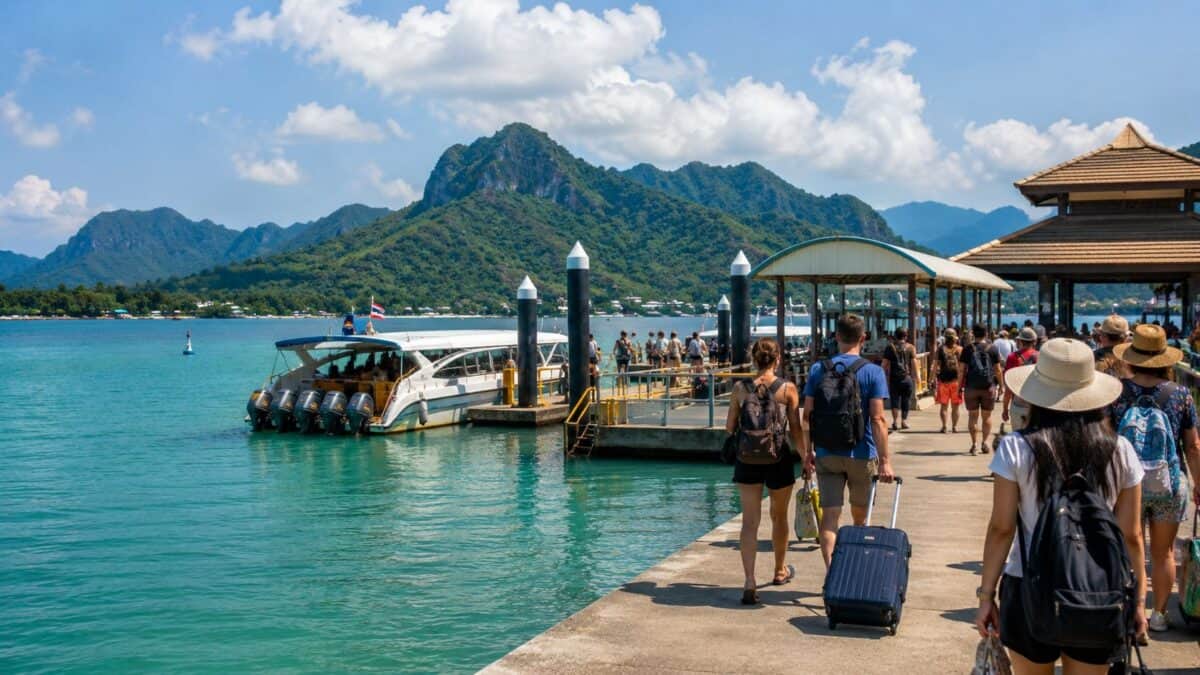
Image generated with Ai
Indonesia’s domestic tourism industry has reached another significant milestone, with residents making 523.22 million trips across the country during the first five months of 2026. The latest figures, released by BPS–Statistics Indonesia (Badan Pusat Statistik), underline the growing importance of domestic travel in supporting the nation’s tourism sector and regional economies.
The cumulative total represents a 2.86% increase compared with the same period in 2025 and marks the highest January-to-May domestic travel volume recorded since 2021. The figures demonstrate that Indonesians are increasingly choosing to explore destinations within their own country, helping sustain tourism businesses while creating new opportunities for local communities.
As global tourism continues to recover at varying speeds, Indonesia’s robust domestic travel market has become an essential pillar of the country’s tourism strategy. With thousands of islands offering diverse landscapes, cultural heritage, beaches, mountains and culinary experiences, domestic tourism continues to generate substantial economic activity throughout the archipelago.
While international arrivals remain an important source of tourism revenue, domestic travellers now account for the overwhelming majority of tourism activity across Indonesia.
Advertisement
Advertisement
According to BPS, domestic travel has remained consistently strong throughout 2026. Monthly figures reached 102.04 million trips in January, 91.14 million in February, 126.34 million in March, 97.55 million in April, and 106.16 million in May, bringing the cumulative total to 523.22 million journeys during the first five months of the year.
These numbers illustrate the scale of Indonesia’s domestic tourism market, which continues to support hotels, restaurants, airlines, transport operators, tourist attractions and small businesses across every region.
Industry observers say local travel has become increasingly popular as Indonesians seek shorter holidays, cultural experiences, family vacations and nature-based destinations closer to home.
Indonesia’s geographical diversity gives domestic travellers an exceptional range of holiday options without leaving the country.
Advertisement
Advertisement
Bali remains one of the country’s most visited leisure destinations, attracting visitors with its beaches, luxury resorts, temples and vibrant cultural traditions.
Meanwhile, Yogyakarta continues to draw travellers interested in history, arts and heritage. Home to iconic landmarks such as Borobudur and Prambanan, the region remains one of Indonesia’s leading cultural tourism centres.
Jakarta, besides being the nation’s capital, also functions as a major gateway for business travel, shopping, entertainment and short city breaks.
Other destinations benefiting from strong domestic demand include:
Each destination offers unique attractions ranging from volcanic landscapes and marine biodiversity to traditional villages and culinary tourism.
Indonesia’s growing domestic tourism performance has also been supported by continued improvements in transport connectivity.
The country has expanded domestic airline services, upgraded airports and invested in road, rail and ferry infrastructure to improve access between major cities and tourism destinations.
Low-cost carriers and competitive airline pricing have made domestic flights increasingly accessible, particularly between Java, Bali, Sumatra, Sulawesi and eastern Indonesia.
At the same time, improved toll roads, intercity rail services and expanded ferry networks have encouraged travellers to explore destinations beyond the country’s largest metropolitan areas.
Greater connectivity has made weekend holidays and short domestic breaks more practical for millions of Indonesians.
The continued increase in domestic travel provides important economic benefits far beyond Indonesia’s most famous tourism destinations.
Every domestic trip generates spending on accommodation, food, transport, shopping, entertainment and local services. This creates employment opportunities across hotels, restaurants, travel agencies, souvenir businesses, tour operators and community-based tourism enterprises.
Small and medium-sized businesses, which form the backbone of Indonesia’s tourism industry, benefit directly from stronger visitor numbers throughout the year.
Unlike international tourism, domestic travel also tends to distribute spending across a wider range of destinations, including secondary cities and rural communities that may receive fewer overseas visitors.
This broader distribution helps reduce regional economic disparities while supporting local entrepreneurship.
Industry analysts suggest the latest figures reflect more than simple tourism growth—they also indicate changing travel behaviour among Indonesian residents.
Increasing numbers of people are incorporating domestic holidays into their lifestyles, choosing frequent short trips rather than one extended annual vacation.
Weekend escapes, culinary tourism, eco-tourism, wellness retreats and outdoor adventures have become increasingly popular among younger travellers and families.
Social media has also contributed to rising interest in lesser-known destinations, encouraging domestic visitors to discover hidden beaches, mountain villages, waterfalls and cultural festivals throughout the archipelago.
This growing enthusiasm for local exploration continues to diversify tourism demand beyond Indonesia’s traditional holiday hotspots.
The Indonesian government continues promoting domestic tourism through infrastructure investment, destination development and marketing initiatives.
Authorities are focusing on improving tourism facilities, strengthening environmental conservation and encouraging sustainable tourism practices that balance visitor growth with community welfare.
Special attention is also being given to priority tourism destinations that can attract both domestic and international visitors while supporting long-term regional development.
Digital tourism platforms, cashless payment systems and improved visitor information services have further enhanced the travel experience for domestic tourists.
Officials believe continued investment will help Indonesia remain competitive while encouraging residents to explore more regions of their own country.
Indonesia’s domestic tourism sector continues demonstrating remarkable resilience despite ongoing changes in the global travel landscape.
The achievement of 523.22 million domestic trips during the first five months of 2026 highlights the strength of local travel demand and confirms domestic tourism as one of the country’s most reliable economic drivers.
Looking ahead, industry experts expect domestic travel to remain strong as improving infrastructure, expanded transport networks and growing consumer confidence encourage more Indonesians to explore destinations across the archipelago.
Combined with the gradual recovery of international tourism, the continued expansion of domestic travel provides Indonesia with a balanced and resilient tourism model capable of supporting businesses, creating employment and generating sustainable economic growth.
As millions of Indonesians continue discovering the country’s diverse islands, cultural heritage and natural attractions, domestic tourism is expected to remain a cornerstone of Indonesia’s tourism strategy, strengthening local economies while reinforcing the nation’s position as one of Asia’s most dynamic travel markets.
Advertisement
Tags: bali tourism, BPS Indonesia, domestic travel Indonesia, Indonesia domestic tourism, indonesia travel
Advertisement
Advertisement












Wednesday, September 2, 2026

Wednesday, September 2, 2026

Wednesday, September 2, 2026

Wednesday, September 2, 2026

Wednesday, September 2, 2026

Tuesday, September 1, 2026

Wednesday, September 2, 2026

Wednesday, September 2, 2026