
Bahrain At Center Of Tourism Fallout As Over 35% Visitor Confidence Faces Pressure After Latest US Iran Escalation

Updated
Published
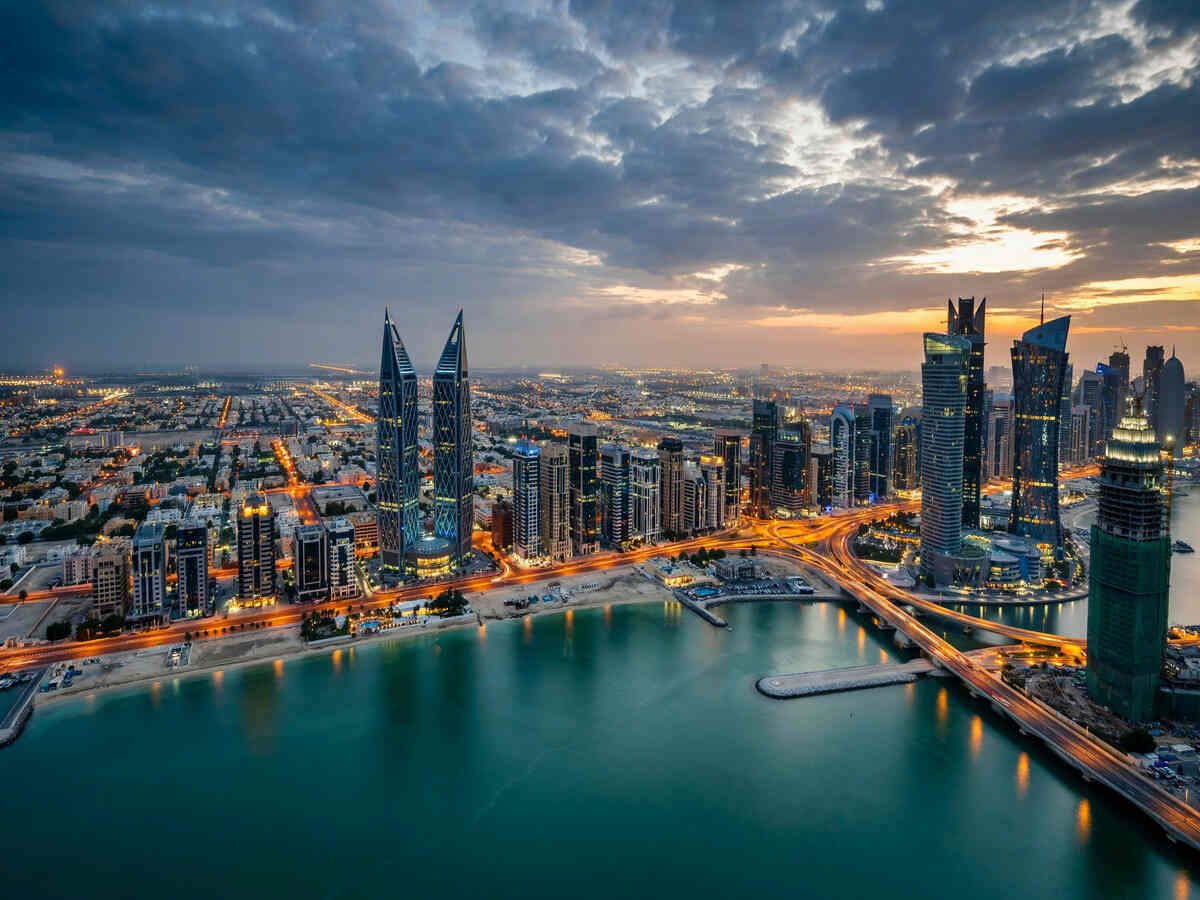
Image generated with Ai
Tourism industry in Bahrain now faces new challenges with US-Iran conflict affecting visitors’ confidence levels in Gulf travel. The tourism industry in Bahrain now finds itself facing new challenges with growing tensions between US and Iran casting uncertainties in Gulf travel market. The recent tension witnessed through strikes and counterattacks has created a problem for the visitors’ confidence in Bahrain, where over 35% of tourism demand is at risk of instability.
The Kingdom has spent years strengthening its position as a regional tourism destination through luxury hotels, cultural attractions, business events, entertainment experiences and international connectivity. However, the latest geopolitical crisis threatens to slow this momentum by affecting traveller decisions, airline operations, hotel bookings and event tourism.
According to UN Tourism data, Bahrain’s tourism sector recorded a 27.7% decline in tourist arrivals between January and March 2026, highlighting growing challenges for the Kingdom’s visitor economy. The drop reflects increasing pressure on international travel demand, regional uncertainty and changing traveller behaviour. The latest decline adds further concern as renewed US–Iran tensions create additional risks for Bahrain’s tourism recovery, particularly through potential impacts on visitor confidence, aviation connectivity and hospitality performance.
The impact is not only linked to direct security concerns. For destinations like Bahrain, tourism depends heavily on global perception. Even when airports remain operational and attractions continue welcoming visitors, uncertainty surrounding the wider Gulf region can influence international travel choices.
Advertisement
Advertisement
Renewed US Iran Escalation Places Bahrain Under Regional Tourism Pressure
The latest conflict escalation has expanded beyond Iran and the United States, affecting several Gulf countries. Iran has carried out missile and drone attacks targeting US-linked facilities in Bahrain, Jordan, Kuwait and Iraq, while Washington has continued military operations against Iranian targets.
Advertisement
Advertisement
Bahrain has become particularly sensitive because of its strategic importance in the Gulf and its close security relationship with the United States. The country hosts major international military infrastructure, making it a visible location during regional tensions.
For tourism, this creates a perception challenge.
International visitors often consider the wider region when planning holidays. A crisis involving neighbouring countries or nearby waters can influence travellers who may not distinguish between individual destinations.
As a result, Bahrain’s tourism industry could experience:
- Lower traveller confidence
- More cautious booking behaviour
- Increased cancellations
- Delayed business travel decisions
- Reduced demand for short-term holidays
The estimated exposure of over 35% does not indicate an immediate collapse in tourism. Instead, it reflects the percentage of tourism activity that could face pressure if the conflict continues and uncertainty remains high.
Advertisement
Advertisement
Aviation Becomes Bahrain Tourism’s Biggest Vulnerability
Air connectivity is the foundation of Bahrain’s international tourism economy. The country depends on reliable flight links to attract visitors from Europe, Asia, the Gulf and other international markets.
However, regional tensions have increased aviation challenges.
Airlines operating across the Gulf have been forced to review routes, adjust schedules and monitor security developments. Regional airspace warnings have also increased operational uncertainty for carriers flying near affected areas.
For Bahrain tourism, aviation disruption could create several problems:
- Travellers may postpone bookings due to flight uncertainty.
- Airlines may reduce frequencies if operating conditions become difficult.
- Longer routes could increase fuel costs.
- Ticket prices may rise due to operational pressure.
Bahrain International Airport plays a crucial role in connecting tourists with the country’s hotels, attractions and business events. Any disruption to flights could quickly impact visitor arrivals.
Advertisement
Advertisement
Hotel Industry Faces Booking Uncertainty As Tourists Reconsider Gulf Trips
Bahrain’s hospitality sector has developed into one of the country’s strongest tourism pillars.
The Kingdom attracts visitors through:
- Luxury hotels
- Beach resorts
- Weekend tourism
- Business stays
- International events
- Entertainment experiences
However, hotels are among the first tourism businesses affected when traveller confidence weakens.
International tourists usually make decisions months in advance. When geopolitical tensions rise, some visitors delay bookings until conditions become clearer.
Luxury properties may face greater pressure because high-spending travellers often prioritise safety and stability when selecting destinations.
Advertisement
Advertisement
Potential hotel impacts include:
- Lower advance bookings
- Increased cancellation requests
- Reduced international leisure demand
- Slower corporate travel growth
- Pressure on conference-related accommodation
Bahrain’s domestic and regional tourism markets provide some protection, but international visitor confidence remains essential for long-term growth.
Bahrain’s Business Tourism Faces New Challenges
Bahrain has positioned itself as a regional destination for business tourism, conferences and international gatherings.
The country attracts visitors for:
- Financial meetings
- Corporate events
- Exhibitions
- Trade conferences
- Investment forums
However, geopolitical uncertainty can influence corporate travel decisions.
Advertisement
Advertisement
Companies often reassess employee travel when regional security conditions change. International delegates may also hesitate before attending conferences in destinations close to conflict zones.
This could affect:
- Event participation
- Hotel occupancy
- Exhibition attendance
- Business visitor spending
The impact may not be immediate, but prolonged uncertainty could create challenges for Bahrain’s ambition to expand its business tourism sector.
Cruise Tourism And Maritime Travel Face Growing Risks
Bahrain’s tourism strategy also benefits from Gulf maritime tourism, including cruise visits and regional sea routes.
However, the Strait of Hormuz situation has increased concerns about maritime security and shipping movement. The waterway is a vital route for global energy and regional transportation.
Advertisement
Advertisement
Any prolonged instability could affect cruise tourism through:
- Route changes
- Insurance concerns
- Passenger confidence issues
- Port schedule adjustments
Cruise travellers are particularly sensitive to security concerns because itineraries involve multiple destinations across a region.
Traveller Perception Becomes Bahrain’s Biggest Tourism Battle
The biggest challenge for Bahrain may not be direct disruption but reputation.
Tourism is heavily influenced by perception.
A destination can remain operational, but negative international headlines can still affect visitor decisions.
Advertisement
Advertisement
Potential perception impacts include:
- Families choosing alternative destinations
- Luxury travellers avoiding the Gulf temporarily
- Tour operators adjusting packages
- Travel agencies promoting lower-risk alternatives
Competing destinations in Europe, Asia and the Indian Ocean could benefit if some travellers redirect their holidays away from the Gulf.
Countries such as Spain, Greece, Thailand, Japan and the Maldives may attract travellers seeking destinations perceived as more stable.
Rising Oil Prices Could Increase Travel Costs
The conflict is also creating economic pressure through energy markets.
Concerns around the Strait of Hormuz have increased fears of oil supply disruption, pushing energy prices higher.
Advertisement
Advertisement
Higher oil prices can affect tourism through:
- More expensive airline fuel
- Higher airfares
- Increased transport costs
- More expensive holiday packages
For travellers, rising costs could become another reason to delay international trips.
For airlines and tourism companies, higher operational expenses could reduce profitability.
Bahrain Still Holds Strong Tourism Advantages
Despite the pressure created by regional tensions, Bahrain has several advantages that could support recovery.
The country benefits from:
Advertisement
Advertisement
- Modern tourism infrastructure
- Strong hotel capacity
- Cultural heritage attractions
- Easy access from Saudi Arabia
- Established international events
- A reputation as a Gulf leisure destination
The Kingdom’s proximity to Saudi Arabia through the King Fahd Causeway provides additional resilience because many visitors arrive by road rather than air.
Regional visitors may help reduce the impact if international arrivals slow temporarily.
Short-Term Tourism Risk Could Rise If Conflict Continues
The current tourism impact depends heavily on how long the escalation lasts.
A short conflict period may create temporary uncertainty, followed by recovery once confidence returns.
However, a prolonged crisis could create deeper challenges.
Advertisement
Advertisement
Possible scenarios:
| Situation | Potential Tourism Impact |
|---|---|
| Rapid de-escalation | Temporary booking slowdown |
| Conflict continues for weeks | Lower visitor confidence and hotel pressure |
| Gulf aviation disruption expands | Major impact on arrivals |
| Wider regional conflict | Severe tourism downturn risk |
Regional tourism analysts have previously warned that prolonged Middle East conflicts can significantly reduce visitor arrivals because the region depends heavily on international air connectivity and perceptions of safety.
Bahrain Tourism Faces A Critical Confidence Battle
Bahrain’s tourism sector is now facing a crucial moment as renewed US–Iran tensions test the resilience of Gulf travel markets.
The estimated 35%+ tourism confidence risk highlights the vulnerability of visitor demand during periods of geopolitical uncertainty. The immediate challenge is not only protecting tourism infrastructure but maintaining global confidence in Bahrain as a safe and attractive destination.
Bahrain’s tourism industry is now witnessing increasing uncertainty owing to the rising tensions between the US and Iran, which will impact more than 35% of tourist confidence.
In case of a positive outcome regarding the tensions, the recovery of Bahrain’s tourism will be fast due to the strong foundation of its tourism industry. However, in the event of widening of the crisis, problems with air travel and hotels may follow.
Advertisement
