

USA Western National Parks Travel 2026: Epic Desert Trails, Ancient Ruins and Stunning Natural Wonders

Published
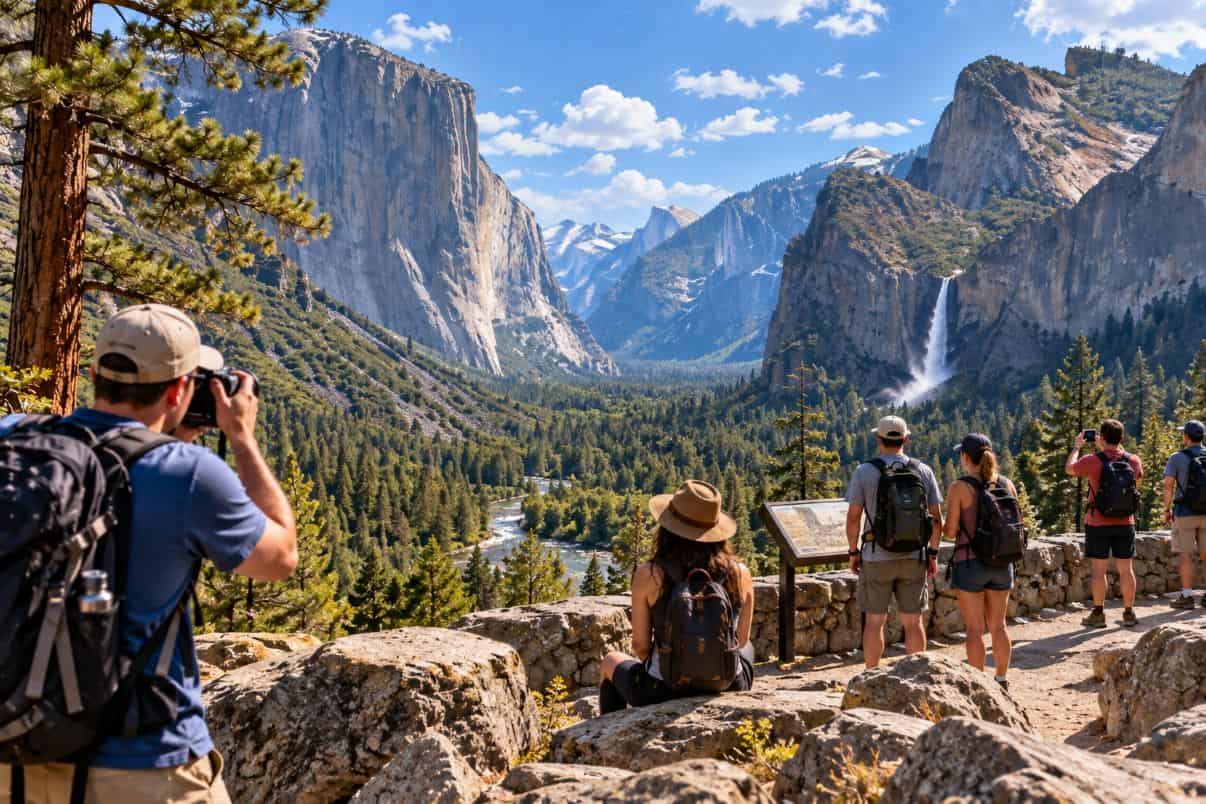
USA Western National Parks Travel is opening up exciting opportunities for visitors to discover spectacular deserts, dramatic mountains, historic landmarks and remarkable wildlife experiences across the American West. Western National Parks, a nonprofit partner of the National Park Service, has highlighted outdoor activities and seasonal travel ideas covering 72 partner park sites across 12 states. From Arizona’s towering cacti and California’s coastal islands to New Mexico’s ancient settlements and Colorado’s extraordinary landscapes, the organisation’s 2026 guide encourages travellers to explore beyond familiar tourist destinations. Hiking, camping, stargazing, heritage exploration and family-friendly activities feature prominently in its extensive collection of experiences.
Western National Parks Travel 2026 Highlights Extraordinary Outdoor Experiences
Western National Parks has developed an extensive travel-planning resource introducing visitors to recreational activities and cultural attractions across the American West.
The organisation’s Things to Do guide covers hiking, backpacking, camping, cycling, fishing, birdwatching, rock climbing, caving and water-based recreation.
It also includes opportunities for wildlife observation, scenic driving, winter sports and stargazing.
Advertisement
Advertisement
For travellers interested in history, the guide introduces destinations associated with Indigenous heritage, civil rights, geology and American cultural development.
Families can explore Junior Ranger programmes and ranger-led educational experiences.
Advertisement
Advertisement
The resource is designed to help visitors choose activities according to their interests rather than concentrating exclusively on individual national parks.
Its accompanying 2026 travel guide provides seasonal recommendations across 72 partner sites in 12 states.
Advertisement
Advertisement
The initiative promotes wider destination discovery rather than announcing new national parks or changes to federal tourism policy.
Arizona’s Desert National Parks Reveal Spectacular Landscapes and Ancient Heritage
Arizona offers some of the American West’s most distinctive desert environments.
Saguaro National Park, near Tucson, is known for its towering saguaro cacti and scenic hiking opportunities.
Organ Pipe Cactus National Monument introduces visitors to the Sonoran Desert’s remarkable plant life and rugged landscapes.
Advertisement
Advertisement
Canyon de Chelly National Monument combines dramatic sandstone formations with important Navajo cultural connections.
Other attractions include Casa Grande Ruins, Tonto National Monument, Chiricahua National Monument and Montezuma Castle.
These destinations provide opportunities to explore geology, archaeology and the region’s Indigenous history.
Winter and spring can offer more comfortable conditions for desert travel, although temperatures vary.
Visitors should carry sufficient water, check weather forecasts and follow official safety instructions.
Some cultural and archaeological sites may require guided access or have restrictions designed to protect sensitive areas.
Advertisement
Advertisement
California’s Coastal Islands and Desert Parks Offer Unforgettable Adventures
California provides a contrasting collection of national park experiences, ranging from Pacific islands to inland deserts.
Channel Islands National Park offers opportunities for kayaking, hiking, camping and marine wildlife observation.
Access to the islands requires boat or air transport, making advance planning particularly important.
Pinnacles National Park is known for dramatic rock formations, hiking trails and seasonal wildflowers.
Mojave National Preserve introduces travellers to desert landscapes and historic transportation routes associated with Route 66.
Visitors interested in cultural history can explore John Muir National Historic Site and Eugene O’Neill National Historic Site.
Advertisement
Advertisement
Summer can provide opportunities for coastal recreation, although sea conditions may affect island access.
Travellers should confirm transport availability, park restrictions and weather conditions before booking excursions.
These destinations offer alternatives to California’s more heavily visited national park attractions.
New Mexico’s Ancient Ruins and Underground Wonders Create Remarkable Travel Opportunities
New Mexico offers a distinctive combination of cultural heritage, geological formations and desert scenery.
Carlsbad Caverns National Park is recognised for its extensive underground chambers and seasonal bat-flight programmes.
Chaco Culture National Historical Park preserves significant ancestral Puebloan architecture and provides opportunities to understand the region’s historical importance.
Advertisement
Advertisement
White Sands National Park features expansive gypsum dunes that create one of America’s most recognisable desert landscapes.
Capulin Volcano National Monument introduces visitors to volcanic geology, while Petroglyph National Monument preserves thousands of images carved into volcanic rock.
These destinations appeal to travellers interested in archaeology, photography and natural history.
The Western National Parks guide highlights New Mexico’s cultural and geological attractions during autumn.
Visitors should check road conditions and access restrictions before travelling to remote sites.
Guided activities and visitor facilities may operate on seasonal schedules.
Advertisement
Advertisement
Colorado, Nevada and Utah Showcase Dramatic Mountain and Geological Attractions
Colorado, Nevada and Utah provide additional opportunities for travellers seeking outdoor recreation and natural scenery.
Colorado’s Great Sand Dunes National Park and Preserve combines enormous dunes with mountain landscapes.
Black Canyon of the Gunnison National Park offers dramatic canyon viewpoints and opportunities for night-sky observation.
In Nevada, Great Basin National Park is known for alpine environments, ancient bristlecone pines and seasonal hiking experiences.
Utah’s Golden Spike National Historical Park explores the development of the first transcontinental railway.
Timpanogos Cave National Monument introduces visitors to underground geological formations through guided experiences.
Advertisement
Advertisement
These destinations provide opportunities to combine adventure tourism with historical education.
However, elevation changes, winter weather and seasonal road closures can influence travel arrangements.
Visitors should check individual park websites before departure, particularly when planning mountain excursions or activities requiring advance reservations.
American National Parks Preserve Powerful Stories of History and Cultural Heritage
The Western National Parks resource highlights the importance of protected sites beyond their natural scenery.
Brown v. Board of Education National Historical Park and Nicodemus National Historic Site in Kansas introduce visitors to important chapters of African American history.
Hubbell Trading Post, Tuzigoot and Aztec Ruins provide opportunities to learn about Indigenous cultural heritage and historical communities.
Advertisement
Advertisement
Sand Creek Massacre National Historic Site and Washita Battlefield National Historic Site preserve locations associated with difficult periods of American history.
Educational exhibitions and ranger-led programmes help visitors understand these places within their historical context.
Western National Parks also supports visitor services and educational activities at partner locations.
The National Park Service documents the organisation’s involvement at Bent’s Old Fort National Historic Site in Colorado.
These attractions encourage visitors to consider the cultural significance of protected landscapes alongside recreational activities.
Seasonal Travel Planning Helps Visitors Discover Western National Parks Throughout 2026
The organisation’s 2026 travel guide presents destinations according to seasonal conditions and visitor interests.
Advertisement
Advertisement
Winter recommendations include Arizona’s desert monuments, where cooler temperatures can make outdoor exploration more comfortable.
Spring offers opportunities to discover wildflowers, historic sites and cultural attractions across California, New Mexico and Texas.
Summer brings coastal experiences, mountain recreation and wildlife observation.
Autumn provides opportunities for visiting volcanic landscapes, historic missions and cultural heritage destinations.
These seasonal suggestions can help travellers plan more practical itineraries.
However, weather patterns vary considerably across the American West.
Advertisement
Advertisement
Desert regions may experience extreme summer heat, while mountain destinations can face snow and restricted access during colder months.
Visitors should consult National Park Service alerts before travelling and confirm whether permits, reservations or guided tours are required.
How Can International Travellers Plan a Safe American National Parks Holiday?
Travellers planning national park holidays should begin by selecting destinations according to travel time, seasonal conditions and preferred activities.
Some western parks are located considerable distances from major airports and cities, making rental vehicles or organised transport important.
Visitors should check accommodation availability, campsite reservations and road access before departure.
The National Park Service provides official information about entrance fees, permits, accessibility and safety conditions.
Advertisement
Advertisement
Travellers should carry suitable clothing, drinking water, navigation equipment and essential supplies when exploring remote locations.
International visitors must also verify current United States passport and visa requirements.
The Western National Parks website provides travel inspiration, while individual National Park Service websites remain the primary sources for operational updates.
Advance planning can help visitors enjoy outdoor experiences while reducing avoidable safety risks.
Why Could Western National Parks Support Wider American Tourism Development?
Western National Parks’ travel resources highlight destinations beyond America’s most famous national parks.
Smaller historic sites, cultural landmarks and lesser-visited landscapes can offer alternative experiences for travellers seeking quieter journeys.
Advertisement
Advertisement
Greater awareness of these destinations may create opportunities for regional accommodation providers, restaurants and local tourism businesses.
The guide also encourages visitors to explore parks according to interests such as astronomy, wildlife, photography and cultural heritage.
This approach can help travellers discover different regions rather than concentrating solely on major attractions.
However, the organisation has not published visitor forecasts or confirmed additional tourism revenue associated with the guide.
Its primary contribution is educational and promotional, helping visitors understand the range of experiences available across the American West.
USA Western National Parks Offer Extraordinary Adventures Beyond Familiar Tourist Attractions
America’s western national parks offer travellers a remarkable opportunity to explore natural beauty, cultural heritage and outdoor adventure. Arizona’s desert landscapes, California’s coastal islands, New Mexico’s ancient settlements and Colorado’s mountain scenery provide experiences suited to different interests and seasons. Western National Parks’ 2026 guide encourages visitors to discover both celebrated destinations and lesser-known protected sites. From hiking and wildlife observation to stargazing and historical exploration, the possibilities extend far beyond conventional sightseeing. For travellers seeking meaningful journeys across the United States, careful planning and respect for protected landscapes can turn a national park holiday into a memorable experience.
Advertisement
