

Iceland Aligns with Spain, Italy, France and More in Seeing Summer Travel Shift as Coolcationing Sparks a Massive Booking Surge in the North: Is Europe’s Heatwave Rewriting Holiday Plans?

Published
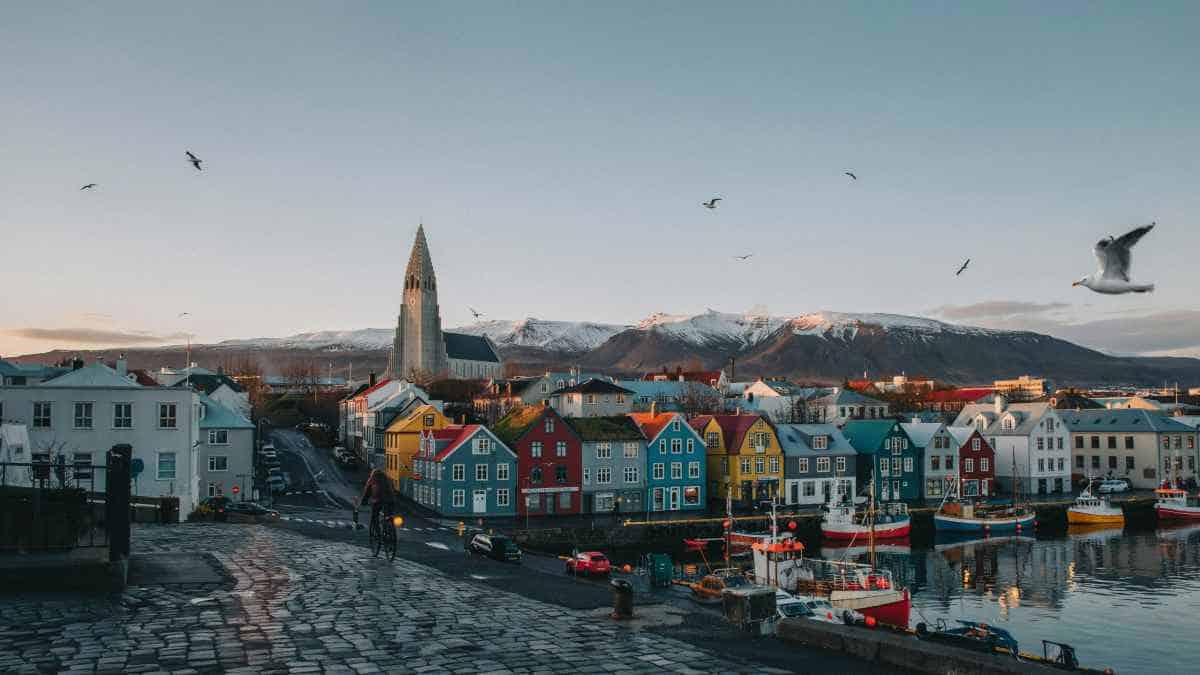
Iceland Aligns with Spain, Italy, France and More in Seeing Summer Travel Shift as Coolcationing Sparks a Massive Booking Surge in the North. Iceland is emerging as one of Europe’s fastest-growing summer destinations as travellers increasingly swap scorching Mediterranean holidays for cooler northern landscapes. Think Spain, Italy and France would always dominate Europe’s summer travel season? They still attract the highest visitor volumes, but another travel story is rapidly unfolding. According to the latest travel industry data, summer bookings to Iceland have increased by 47% compared with last year, driven by a growing phenomenon known as “coolcationing”. Rather than chasing sunshine alone, increasing numbers of travellers are actively choosing destinations with milder temperatures, dramatic natural scenery and outdoor experiences as Europe experiences another season of intense heatwaves. Travel specialists say cooler climates have moved from a niche preference to a major factor influencing summer holiday decisions across the continent.
Coolcationing Is Reshaping Summer Travel
The term coolcationing describes holidays planned specifically around cooler weather rather than traditional beach destinations.
While Mediterranean countries including Spain, Italy and France continue welcoming millions of summer visitors, prolonged periods of extreme heat are encouraging some travellers to explore northern Europe instead. Iceland, with its glaciers, waterfalls, volcanic landscapes and average summer temperatures ranging between 10°C and 15°C, is becoming one of the clearest beneficiaries of this changing travel pattern.
Travel advisers report that many visitors are choosing Iceland not only for its climate but also for its opportunities to experience nature without the extreme daytime temperatures increasingly recorded across parts of southern Europe.
Advertisement
Advertisement
Iceland’s Natural Attractions Offer a Different Summer Experience
Could escaping the heat become just as important as finding sunshine?
For many travellers, Iceland now offers exactly that alternative.
Advertisement
Advertisement
Visitors arriving in Reykjavík can explore the city’s waterfront, museums and cultural attractions before heading towards the famous Golden Circle, which includes Þingvellir National Park, Geysir Geothermal Area and Gullfoss Waterfall.
The Blue Lagoon, located around 20 kilometres from Keflavík International Airport, continues attracting international visitors seeking geothermal wellness experiences, while destinations including Jökulsárlón Glacier Lagoon, Diamond Beach, Akureyri, Snæfellsnes Peninsula and the South Coast provide spectacular landscapes throughout the summer season.
Advertisement
Advertisement
Unlike many Mediterranean destinations, Iceland’s extended daylight hours also allow travellers to enjoy outdoor activities well into the evening.
Getting Around Iceland Is Straightforward
Most international visitors arrive through Keflavík International Airport, situated approximately 50 kilometres from central Reykjavík.
Airport shuttle buses and rental cars provide the main transport options, while domestic flights connect Reykjavík with northern towns including Akureyri and Egilsstaðir.
Although Iceland does not operate a railway network or metro system, its well-maintained Ring Road allows visitors to explore waterfalls, glaciers, volcanic regions and coastal villages by car or guided coach tours.
Advertisement
Advertisement
Accommodation ranges from city hotels in Reykjavík to countryside guesthouses, eco-lodges and boutique resorts located close to Iceland’s principal natural attractions.
Southern Europe Continues to Welcome Millions
The popularity of Iceland does not mean travellers are abandoning southern Europe altogether.
Spain, Italy and France remain the continent’s highest-volume summer destinations, with cities such as Barcelona, Madrid, Rome, Florence, Paris and Nice continuing to attract strong visitor numbers.
Major international gateways, including Barcelona-El Prat Airport, Rome Fiumicino Airport and Paris Charles de Gaulle Airport, remain among Europe’s busiest aviation hubs.
However, many travellers are adjusting itineraries by combining shorter Mediterranean city breaks with cooler mountain regions or northern European destinations instead of spending entire holidays in areas experiencing prolonged heatwaves.
Tourism Businesses Adapt to Changing Demand
The growing popularity of coolcationing is influencing tourism strategies across Europe.
Advertisement
Advertisement
Airlines have increased capacity to northern destinations during the summer season, while tour operators are expanding itineraries featuring Iceland, Norway, Finland and Scotland alongside traditional Mediterranean holidays.
Hotels, wellness resorts and outdoor adventure operators in Iceland are also responding to increased demand by promoting glacier hikes, whale watching, volcanic excursions, geothermal spas and sustainable tourism experiences.
Shopping remains concentrated around Reykjavík’s Laugavegur district, while supermarkets, cafés and local markets provide convenient services for visitors exploring the capital before continuing around the island.
Climate Is Becoming a Travel Decision
The latest booking trends suggest weather is becoming a more influential factor in holiday planning.
Rather than selecting destinations solely for beaches and sunshine, many travellers now consider seasonal temperatures, outdoor comfort and opportunities for nature-based experiences when planning holidays.
Travel analysts indicate that the rise of coolcationing reflects broader changes in traveller behaviour as climate conditions increasingly shape destination choices across Europe.
Advertisement
Advertisement
Key Stats
- Iceland summer bookings increased by 47% compared with the previous year.
- Spain, Italy and France remain Europe’s highest-volume summer destinations.
- Coolcationing has become a significant driver of summer travel demand.
- Main gateway: Keflavík International Airport.
- Airport to Reykjavík: Approximately 50 km.
- Blue Lagoon from Keflavík Airport: Approximately 20 km.
Timeline and Events
- Summer 2026: Europe experiences another season of intense heatwaves.
- 2026 Peak Travel Season: Iceland records a 47% increase in summer bookings.
- Summer 2026: Travel agencies report that coolcationing is becoming a mainstream booking trend.
- Ongoing: Airlines expand northern European capacity in response to shifting demand.
Frequently Asked Questions
What is coolcationing?
Coolcationing refers to travelling to destinations with cooler climates during summer to avoid extreme heat while enjoying outdoor experiences and natural landscapes.
Why is Iceland becoming more popular?
Travellers are increasingly choosing Iceland because of its mild summer temperatures, glaciers, waterfalls, geothermal attractions and extensive opportunities for outdoor recreation.
Can visitors easily explore Iceland?
Yes. Most travellers arrive through Keflavík International Airport before exploring the country by rental car, guided tours, shuttle buses or domestic flights.
Conclusion
Iceland Aligns with Spain, Italy, France and More in Seeing Summer Travel Shift as Coolcationing Sparks a Massive Booking Surge in the North. Iceland’s remarkable rise in summer bookings illustrates how changing climate conditions are reshaping travel preferences across Europe. While Spain, Italy and France continue attracting millions of visitors, increasing numbers of travellers are looking north for cooler temperatures, dramatic natural landscapes and outdoor experiences that offer a different kind of summer escape. With accessible transport, world-renowned attractions and growing airline connectivity, Iceland is emerging as one of Europe’s standout destinations.
Advertisement
