Friday, September 4, 2026
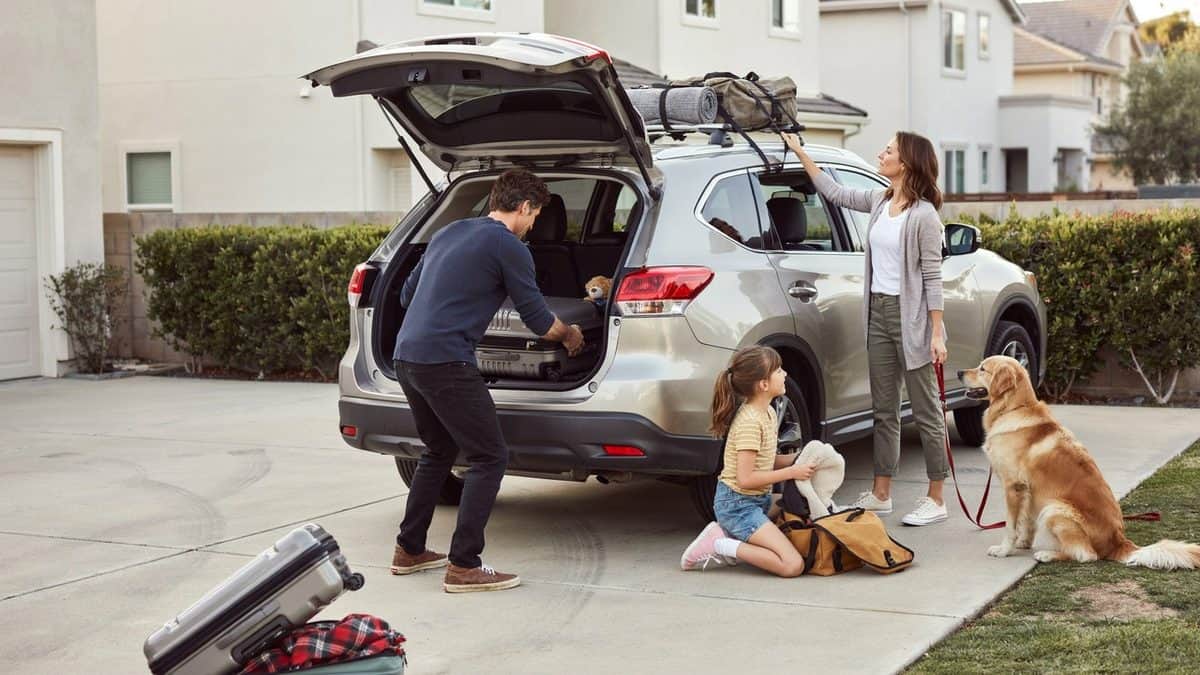
Image generated with Ai
A long road trip often starts with the same familiar challenge: fitting everything into the car. But packing too much, placing heavy suitcases incorrectly or blocking the driver’s view can quietly turn a well-planned journey into a serious safety risk. From uneven weight distribution to overloaded roof racks, the way luggage is packed can directly affect a vehicle’s balance, handling, braking and visibility. Heavy items positioned too high or concentrated on one side can make a car less stable, while excessive weight can increase stopping distances and reduce responsiveness during sudden manoeuvres.
Luggage stacked above the rear-seat headrests can also become a hazard if the vehicle stops abruptly. As travellers prepare for long drives, understanding how to load, secure and distribute luggage properly is essential. These practical packing rules can help drivers maintain better control, protect passengers and reduce avoidable risks before setting off on the road.
1. Why is it important to load heavier suitcases first and position them toward the center of a vehicle?
It is important to start by loading heavier items first. Placing them toward the center helps keep the vehicle balanced and prevents too much weight from sitting on one side. Drivers should also keep heavier items low in the vehicle. If heavy items are loaded too high or all toward one side, they can make the vehicle less stable, particularly when turning, stopping or maneuvering.
Advertisement
2. How does distributing luggage weight evenly contribute to vehicle stability and safer driving?
Distributing luggage evenly helps prevent the vehicle from becoming unbalanced or more difficult to control. An uneven load can affect the vehicle during turns, planned and sudden stops, or other driving maneuvers.
3. What safety risks can arise when luggage is packed above the level of the rear window and obstructs the driver’s line of sight?
Luggage packed too high can block the driver’s view through the rear window and rear-view mirror, making it more difficult to see surrounding traffic or any potential hazards. Having luggage packed above that level can become a danger to passengers in the back seat if a sudden stop occurs, causing items to shift forward or back.
4. What should drivers consider when securing luggage on a roof rack or using auxiliary cargo carriers, particularly regarding manufacturer load limits?
Drivers must make sure all rooftop and auxiliary cargo is tightly and properly secured before getting in the car. Also, we recommend confirming that the total weight does not exceed the car manufacturer’s recommendation. Rooftop cargo adds height to a car, which raises its center of gravity and can affect handling and stability, and auxiliary cargo carriers may affect visibility when reversing or making wide turns.
5. How can carrying excessive luggage affect a vehicle’s handling, braking distance and overall road safety?
Carrying excessive luggage adds weight to a vehicle, which can affect its stability, handling and braking performance. A heavier vehicle has greater momentum, meaning it may require more time and distance to accelerate, slow down or stop. Added weight can also make the vehicle less responsive and more difficult to control, particularly during sudden maneuvers. Drivers should allow extra following distance and be prepared for longer braking times.
6. What are the most common packing and loading mistakes travelers should avoid before setting off on a long road trip?
Before leaving, drivers should avoid overloading the vehicle, concentrating luggage on one side or packing items above the rear-seat headrests. They should also remember to secure rooftop and auxiliary cargo. Visibility is another important consideration; drivers should make sure the rear and side windows and all mirrors remain clear. All doors, seat belts and emergency equipment need to be easily accessible.
Drivers should always check that the trunk, doors and cargo carrier are fully closed and latched. They should verify that all tires are properly inflated to the manufacturer’s recommended pressure and keep any essential items, such as medications, water and emergency kits, nearby rather than buried under luggage.
Advertisement












Friday, September 4, 2026

Friday, September 4, 2026

Friday, September 4, 2026

Thursday, September 3, 2026

Wednesday, September 2, 2026

Friday, September 4, 2026

Friday, September 4, 2026




Comments: