
Utah Aligns with Arizona, Colorado, and Nevada as Angels Landing Elevates Adventure Tourism Through Zion National Park’s Most Thrilling Ridge Hike, Scenic Canyon Landscapes, and High-Altitude Outdoor Experiences: Exclusive

Published
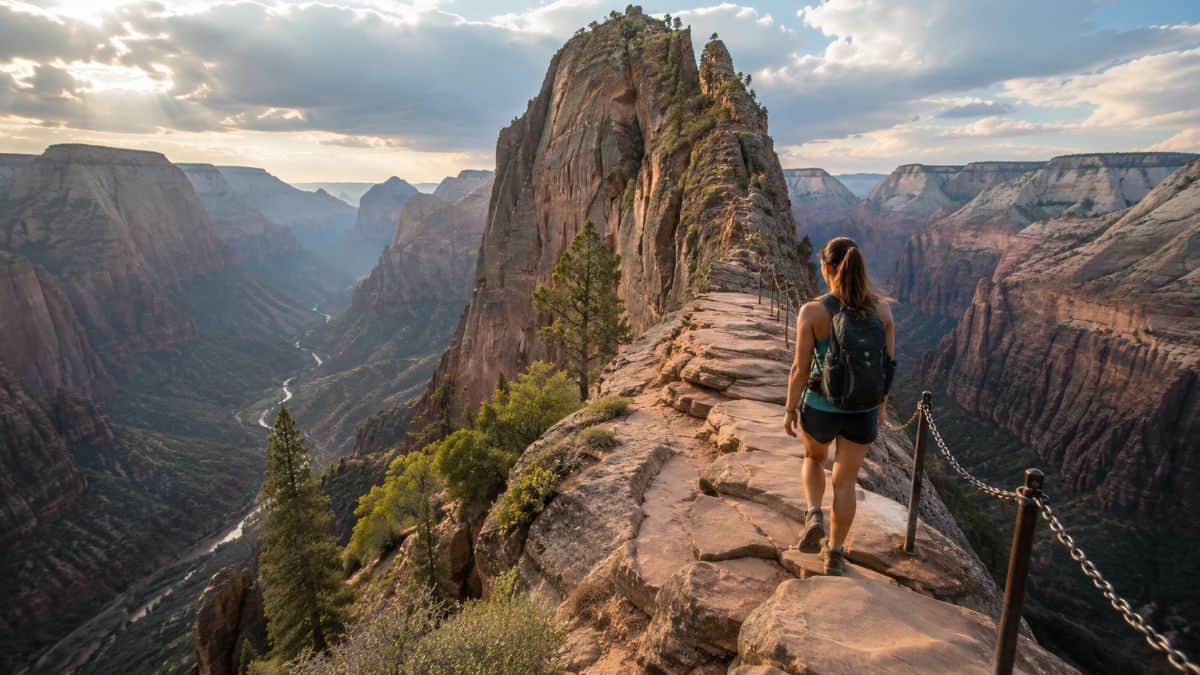
Angels Landing has earned global recognition as one of the most exhilarating hiking trails in the United States, drawing outdoor enthusiasts, photographers, and adventure travelers to Zion National Park year after year. Located in southwestern Utah, the trail combines dramatic sandstone cliffs, sweeping canyon panoramas, and an unforgettable summit experience that has become synonymous with adventure tourism in the American Southwest. Together with neighboring outdoor destinations across Arizona, Colorado, and Nevada, the region continues to strengthen its reputation as one of North America’s premier landscapes for hiking, national park exploration, and nature-based travel.
For experienced hikers seeking both challenge and reward, Angels Landing delivers an extraordinary journey through towering canyon walls, steep switchbacks, and a narrow sandstone ridge suspended high above Zion Canyon. While the hike demands physical preparation, confidence with heights, and careful planning, it rewards visitors with spectacular views that showcase the geological beauty of Zion National Park. As visitation continues to grow, park authorities emphasize responsible recreation, permit compliance, weather awareness, and Leave No Trace principles, ensuring that this iconic trail remains both accessible and protected for future generations.
Advertisement
Advertisement
Why Angels Landing Continues to Define Adventure Travel in Utah
Angels Landing stands among America’s most celebrated hiking experiences because it blends geological wonder with physical challenge. Rising approximately 1,488 feet above the canyon floor, the trail leads visitors through dramatic rock formations before culminating on one of the most recognizable viewpoints in the National Park System.
Unlike many scenic walks, Angels Landing demands endurance, careful footing, and constant awareness of surrounding terrain. The final ridge section has become internationally famous for its steep exposure and chain-assisted climbing, making it one of the country’s most talked-about hiking adventures.
Advertisement
Advertisement
| Trail Information | Details |
|---|---|
| Location | Zion National Park, Utah |
| Trail Type | Out-and-back |
| Distance | Approximately 5.4 miles (8.7 km) |
| Elevation Gain | About 1,488 feet (453 m) |
| Difficulty | Strenuous |
| Average Duration | Around 4 hours |
| Highest Feature | Narrow sandstone ridge with panoramic canyon views |
The Route Begins with Scenic Canyon Climbing
The journey starts near The Grotto shuttle stop inside Zion National Park before gradually ascending along the West Rim Trail. During the early portion of the hike, visitors follow a well-maintained path overlooking the Virgin River while steadily gaining elevation.
The initial climb introduces hikers to Zion’s towering sandstone cliffs, offering multiple viewpoints that reveal the immense scale of the surrounding canyon. Even before reaching the trail’s most challenging sections, travelers experience remarkable geological formations, vibrant red rock landscapes, and sweeping desert scenery.
Advertisement
Advertisement
The steady ascent also provides opportunities for photography, wildlife observation, and appreciating the remarkable erosion that shaped Zion over millions of years.
Refrigerator Canyon Offers a Cool Natural Break
As hikers continue climbing, the trail enters Refrigerator Canyon, a shaded corridor where towering rock walls create noticeably cooler temperatures compared with the exposed sections below.
This naturally sheltered area allows visitors to recover before tackling one of the trail’s most demanding climbs. The combination of shade, towering cliffs, and changing vegetation creates a striking contrast with Zion’s sunlit sandstone landscape.
Many experienced hikers use this section to hydrate, adjust equipment, and prepare mentally for the elevation gain ahead.
| Notable Trail Sections | Visitor Experience |
|---|---|
| West Rim Trail | Moderate climbing with canyon views |
| Refrigerator Canyon | Cooler shaded environment |
| Walter’s Wiggles | Series of steep switchbacks |
| Scout Lookout | Popular rest point and scenic overlook |
| Angels Landing Ridge | Narrow chain-assisted summit approach |
Walter’s Wiggles Test Endurance Before the Summit
One of the trail’s best-known features is Walter’s Wiggles, a sequence of 21 tightly engineered switchbacks climbing sharply toward Scout Lookout.
Named after Zion National Park employee Walter Ruesch, these switchbacks represent both an engineering achievement and a physical challenge. The consistent incline requires steady pacing, particularly during warmer months when desert temperatures can rise significantly.
Advertisement
Advertisement
Although physically demanding, the switchbacks provide increasingly dramatic views across Zion Canyon, rewarding hikers with every elevation gain.
Scout Lookout Marks the Transition to the Most Challenging Section
Scout Lookout serves as both a scenic destination and an important decision point.
Many visitors choose to end their hike here, enjoying panoramic canyon views without continuing onto the exposed ridge. Others proceed toward Angels Landing only after assessing weather conditions, personal confidence, and crowd levels.
From this vantage point, hikers can clearly see the famous sandstone spine extending toward the summit.
The dramatic landscape illustrates why Angels Landing has become one of the world’s most photographed hiking destinations.
The Final Ridge Delivers Zion’s Signature Adventure
Beyond Scout Lookout lies the section that has defined Angels Landing’s global reputation.
Advertisement
Advertisement
The narrow ridge features steep drop-offs on both sides, with sturdy chains installed to assist hikers over uneven sandstone terrain. Portions of the route narrow considerably, demanding careful foot placement and patience when passing other visitors.
Although thousands successfully complete the hike each year, this section requires constant concentration and should never be underestimated.
Visitors uncomfortable with heights are encouraged to enjoy Scout Lookout rather than continuing further.
Safety Remains Essential Throughout the Experience
Adventure tourism succeeds when excitement is balanced with responsible preparation.
Visitors should wear supportive hiking footwear with excellent traction, carry sufficient drinking water, monitor weather forecasts, and avoid hiking during thunderstorms or extreme heat.
Early departures often provide cooler temperatures, softer lighting for photography, and fewer trail bottlenecks.
Advertisement
Advertisement
Equally important is respecting park regulations, remaining on designated trails, and allowing adequate space between hikers in exposed areas.
| Safety Recommendations | Importance |
|---|---|
| Carry adequate water | Prevent dehydration |
| Wear hiking shoes | Improve traction |
| Start early | Avoid heat and crowds |
| Monitor weather | Reduce storm risk |
| Respect permit requirements | Support visitor management |
| Stay focused | Essential on exposed ridge |
Sustainable Tourism Helps Protect Zion National Park
Growing international interest in Zion National Park has encouraged stronger conservation initiatives aimed at balancing visitor access with environmental protection.
Permit systems, visitor education, shuttle transportation, and Leave No Trace practices help preserve fragile ecosystems while maintaining visitor safety.
Responsible travelers contribute to long-term conservation by respecting wildlife, avoiding shortcuts, packing out waste, and minimizing environmental impact throughout their visit.
These efforts ensure Angels Landing remains one of America’s most remarkable natural attractions for generations to come.
Why Angels Landing Continues to Inspire Global Travelers
Few hiking experiences combine breathtaking scenery, geological significance, physical accomplishment, and emotional reward quite like Angels Landing.
Advertisement
Advertisement
The journey showcases everything that defines adventure travel in the American Southwest—from towering sandstone cliffs and dramatic canyon vistas to unforgettable summit views earned through determination and careful preparation.
For travelers seeking an iconic outdoor experience, Angels Landing continues to represent one of Utah’s greatest tourism treasures while reinforcing Zion National Park’s standing among the world’s finest protected natural landscapes.
FAQs
1. Where is Angels Landing located?
Angels Landing is located inside Zion National Park in southwestern Utah near The Grotto shuttle stop.
2. How difficult is the Angels Landing hike?
It is considered a strenuous hike with steep climbs, significant elevation gain, and exposed ridge sections.
3. How long is the Angels Landing Trail?
The round-trip distance is approximately 5.4 miles (8.7 kilometers).
4. How much elevation does the hike gain?
The trail climbs about 1,488 feet (453 meters).
Advertisement
Advertisement
5. How long does it usually take to complete the hike?
Most hikers complete the round trip in around four hours, depending on pace and trail conditions.
6. What is Scout Lookout?
Scout Lookout is a scenic viewpoint and decision point before the exposed ridge leading to Angels Landing.
7. Why is Angels Landing considered dangerous?
The final ridge includes narrow pathways with steep drop-offs and requires careful movement using support chains.
8. What should hikers bring?
Visitors should carry water, wear sturdy hiking shoes, use sun protection, and monitor weather conditions before hiking.
9. Is Angels Landing suitable for beginners?
The hike is recommended for physically fit hikers who are comfortable with steep terrain and significant heights.
10. Why is Angels Landing one of Zion National Park’s most popular attractions?
Its combination of dramatic canyon scenery, thrilling ridge hiking, geological beauty, and panoramic summit views makes it one of America’s most iconic outdoor adventures.
Advertisement
