
Colombia’s Tourism Economy Set to Outpace the World as WTTC Forecasts 5.7% Growth: How Are Young Travellers Fueling the Boom?

Published
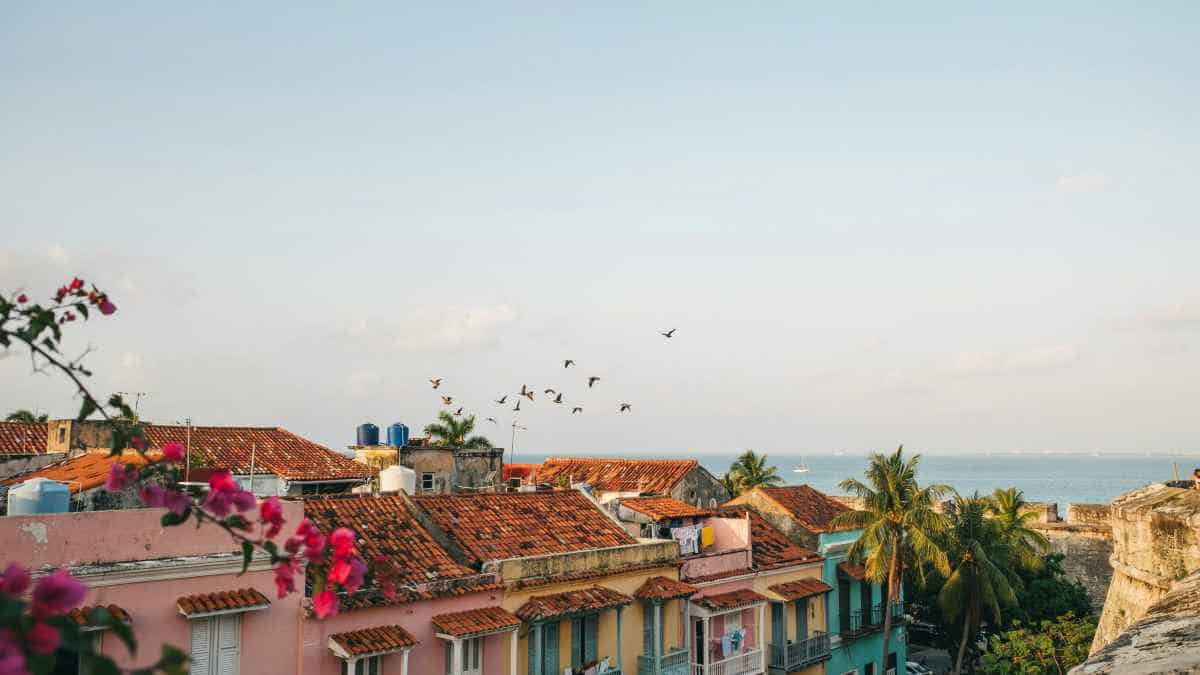
Image generated with Ai
Colombia is rapidly strengthening its position as one of South America’s most dynamic tourism destinations, with the World Travel & Tourism Council (WTTC) forecasting the country’s tourism economy to grow by 5.7%, comfortably exceeding the projected global travel and tourism average of 3.2%. The optimistic outlook reflects Colombia’s growing international appeal, diversified tourism offerings and increasing ability to attract a new generation of global travellers.
One of the defining characteristics of Colombia’s tourism surge is the age profile of its visitors. More than 65% of international travellers are between 18 and 49 years old, signalling a major shift in the country’s tourism landscape. Rather than focusing solely on traditional sightseeing, today’s visitors are seeking immersive cultural experiences, eco-tourism adventures, outdoor activities, gastronomy and vibrant nightlife.
This combination of strong economic growth and evolving traveller preferences is helping Colombia transform into one of Latin America’s most exciting destinations for modern tourism.
WTTC Predicts Growth Well Above the Global Average
The latest forecast from the World Travel & Tourism Council (WTTC) highlights Colombia’s exceptional momentum.
Advertisement
Advertisement
While global travel and tourism GDP is expected to grow by 3.2%, Colombia is projected to achieve 5.7% growth, placing it among the strongest-performing tourism economies in the region.
Advertisement
Advertisement
The forecast reflects rising international arrivals, increased visitor spending, improved connectivity and continued investment in tourism infrastructure.
It also demonstrates growing confidence in Colombia’s long-term tourism potential despite broader economic uncertainties affecting many international markets.
A New Generation of Travellers Is Changing Colombia
Colombia’s visitor profile is becoming increasingly youthful.
More than 65% of inbound international travellers are aged between 18 and 49, representing a demographic that typically prioritises authentic experiences over conventional package holidays.
These travellers are more likely to:
Advertisement
Advertisement
- Explore local neighbourhoods.
- Support independent businesses.
- Participate in adventure activities.
- Discover regional cuisine.
- Attend music festivals.
- Experience local nightlife.
- Engage with community-based tourism.
Their preferences are reshaping Colombia’s tourism industry and encouraging destinations to develop more diverse visitor experiences.
Experiential Travel Takes Centre Stage
Modern travellers increasingly value memorable experiences over traditional sightseeing alone.
Colombia has responded by promoting tourism that encourages visitors to actively engage with local culture and nature.
Popular experiential travel activities include:
- Coffee plantation tours in the Coffee Cultural Landscape.
- Salsa dancing in Cali.
- Street art tours in Medellín.
- Indigenous cultural experiences.
- Food markets and culinary tours.
- River expeditions.
- Hiking through national parks.
- Wildlife observation.
These activities offer visitors a deeper understanding of Colombia while generating greater economic benefits for local communities.
Advertisement
Advertisement
Eco-Tourism Continues to Expand
Colombia’s extraordinary biodiversity has become one of its greatest tourism assets.
As one of the world’s most biodiverse countries, it offers opportunities for:
- Birdwatching.
- Amazon rainforest exploration.
- Whale watching on the Pacific coast.
- Trekking through cloud forests.
- National park adventures.
- Sustainable rural tourism.
- Nature photography.
- Conservation-focused travel.
Growing global demand for environmentally responsible tourism is helping position Colombia as a leading eco-tourism destination in Latin America.
Nightlife Strengthens Urban Tourism
Urban tourism is another major driver of Colombia’s success.
Cities such as Medellín, Bogotá and Cartagena have developed internationally recognised nightlife scenes that appeal particularly to younger visitors.
Advertisement
Advertisement
Live music venues, rooftop bars, cultural festivals, contemporary restaurants and entertainment districts contribute to vibrant evening economies that extend tourism spending beyond daytime attractions.
These experiences complement Colombia’s cultural heritage while broadening its appeal to international visitors seeking dynamic city breaks.
Tourism Supports Economic Development
The projected growth in tourism GDP reflects benefits that extend far beyond the travel industry itself.
Tourism supports thousands of businesses across:
- Hotels and accommodation.
- Restaurants.
- Local transport.
- Tour operators.
- Cultural attractions.
- Artisan markets.
- Entertainment venues.
- Rural tourism enterprises.
Higher visitor spending also creates employment opportunities and stimulates investment in infrastructure throughout the country.
Advertisement
Advertisement
Colombia’s Global Reputation Continues to Rise
International perceptions of Colombia have evolved significantly over the past decade.
Today, the country is increasingly recognised for its welcoming hospitality, vibrant cities, breathtaking natural landscapes and rich cultural heritage.
Government tourism campaigns, improved safety, expanded airline connectivity and growing international media exposure have all contributed to Colombia’s emergence as one of South America’s fastest-growing travel destinations.
Location and Visitor Information
Country: Colombia
Capital: Bogotá
Advertisement
Advertisement
Major Tourist Destinations:
- Bogotá
- Medellín
- Cartagena
- Cali
- Coffee Cultural Landscape
- Santa Marta
- Tayrona National Natural Park
Nearest International Airports:
- El Dorado International Airport (Bogotá)
- José María Córdova International Airport (Medellín)
- Rafael Núñez International Airport (Cartagena)
Popular Attractions:
- Cartagena’s Walled City
- Monserrate
- Cocora Valley
- Guatapé
- Tayrona National Natural Park
- Caño Cristales
- Rosario Islands
Shopping Areas:
- Andino Shopping Centre (Bogotá)
- El Tesoro Shopping Park (Medellín)
- Bocagrande (Cartagena)
Key Stats
- The WTTC forecasts Colombia’s tourism GDP to grow by 5.7%, outperforming the projected global average of 3.2%.
- More than 65% of international visitors are aged between 18 and 49.
- Younger travellers are driving demand for experiential tourism, eco-tourism and nightlife.
- Colombia continues strengthening its position as one of South America’s fastest-growing tourism markets.
- Tourism supports economic growth, employment and regional development across the country.
Frequently Asked Questions
How fast is Colombia’s tourism economy expected to grow?
The World Travel & Tourism Council (WTTC) forecasts tourism GDP growth of 5.7%, exceeding the projected global sector average of 3.2%.
Advertisement
Advertisement
Who is driving Colombia’s tourism boom?
More than 65% of inbound travellers are between 18 and 49 years old, making younger visitors the dominant force behind current tourism trends.
What experiences are attracting visitors to Colombia?
Travellers are increasingly choosing eco-tourism, adventure travel, cultural immersion, gastronomy, coffee tourism, music, festivals and vibrant nightlife over traditional sightseeing alone.
Timeline and Events
- Colombia continues expanding its tourism infrastructure and international marketing.
- Younger international travellers increasingly choose experiential travel across the country.
- Eco-tourism and nightlife emerge as major tourism growth segments.
- The WTTC forecasts tourism GDP growth of 5.7%, surpassing the global average of 3.2%.
- Colombia strengthens its reputation as one of South America’s fastest-growing tourism destinations.
Conclusion
Colombia’s projected 5.7% tourism GDP growth, significantly ahead of the global average, reflects a tourism industry that is evolving with changing traveller expectations. Driven largely by visitors aged 18 to 49, the country is moving beyond traditional sightseeing to offer immersive cultural experiences, world-class eco-tourism, adventure travel and vibrant urban nightlife. As international demand continues to grow and younger travellers seek authentic, experience-led holidays, Colombia is well positioned to become one of Latin America’s leading tourism success stories, combining economic growth with sustainable and diversified destination development.
Advertisement
