
Ahmedabad Hub-and-Spoke Flight System: Streamlining International Transit for Passengers

Published
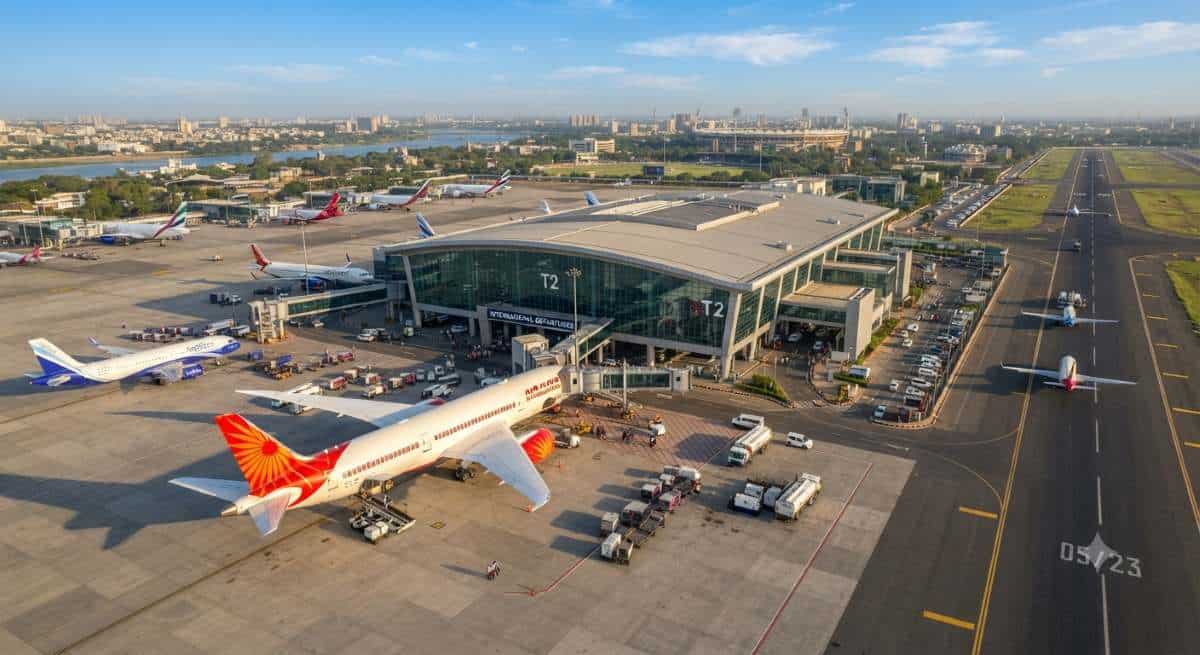
Image generated with Ai
The official launch of international hub-and-spoke flight operations from Ahmedabad has been executed by the Ministry of Civil Aviation, marking a major milestone in the country’s aviation sector. This development integrates Ahmedabad as the third airport into the national framework, following the prior introductions of Varanasi on June 25 and Amritsar on July 28.
The initiative forms an essential component of the broader International Aviation Hub Strategy, which is designed to position India as the preferred transit center for domestic travellers by the year 2030 and evolve into a globally prominent aviation hub by 2047. By utilizing existing domestic infrastructure, the program seeks to retain international connecting traffic within national borders, thereby reducing reliance on foreign transit hubs.
Advertisement
Advertisement
Practical Information and Essential Guidelines
With the successful rollout of these operations, international travel planning has entered a new phase of efficiency. Passengers embarking on journeys from Gujarat are strongly advised to review their ticket itineraries thoroughly and ensure that their bookings utilize eligible connections under unified Passenger Name Records (PNRs). This careful verification guarantees that all baggage, immigration, and security clearances are processed seamlessly without unexpected disruptions at transit gateways.
To assist travellers in navigating the updated system effectively, several key operational details and practical measures have been outlined below:
Advertisement
Advertisement
- Unified PNR Verification: Passengers must ensure that their domestic leg and onward international journey are booked under a single, unified PNR to qualify for integrated baggage handling and streamlined customs clearance at the originating airport.
- Optimized Transit Schedules: Air India has structured its daily flight schedules—specifically incorporating morning and evening departures from Ahmedabad—to provide smooth onward connectivity to dozens of major global destinations within a convenient four-hour window upon reaching Delhi.
- Baggage and Immigration Integration: Checked luggage is tagged straight through to the final international destination during the initial departure check-in, freeing travellers from the burden of retrieving bags and clearing customs mid-journey.
- Future Infrastructure Expansion: The Ministry of Civil Aviation has announced ambitious plans to extend this hub-and-spoke framework to twenty-two additional airports across the country, with Surat slated for integration in upcoming phases.
- Upcoming Inbound Easy Connect Services: Inbound Easy Connect operations are scheduled to commence shortly, which will enable travellers arriving in Delhi from international destinations to experience similarly simplified, hassle-free transfers back to Ahmedabad.
- Itinerary Planning Recommendations: Travellers are encouraged to keep themselves updated on announcements from airline operators regarding transit timelines, valid travel documents, and specific arrival guidelines at the primary transit hub in Delhi.
Comparison with Previous Policies or Developments
Under earlier regulatory frameworks and travel procedures, passengers departing from regional locations like Ahmedabad to international destinations—such as Paris, Toronto, or Sydney—faced considerable inconvenience. Travellers previously had to take a domestic flight to Delhi, collect their checked luggage, clear immigration and customs all over again, and manage separate ticket bookings for their onward international journey.
Advertisement
Advertisement
In contrast, the current hub-and-spoke mechanism completely eliminates these repetitive steps. Passengers are now permitted to complete their immigration, customs, and baggage check-in procedures directly at their originating domestic airport, allowing for a much more cohesive and streamlined transit experience through major national gateways like Delhi.
Impact on Travellers
For international passengers embarking from Ahmedabad, the new operational system significantly reduces travel complexity and transit stress. Through designated daily flights operated by Air India—specifically flight AI1117 in the morning and flight AI1121 in the evening—travellers gain immediate, streamlined access to numerous global destinations across Europe, Southeast Asia, the Middle East, North America, and Australia.
Upon arrival at the transit hub in Delhi, passengers proceed directly to their connecting international flights without being required to re-check baggage or repeat immigration clearance. This frictionless movement enhances overall passenger comfort, saves valuable time during layovers, and provides a more predictable and user-friendly journey.
Industry Insights
Industry analysts and government officials have highlighted the immense economic and operational potential of this aviation model. According to studies cited by the Ministry of Civil Aviation, the continuous expansion of aviation hubs is projected to generate roughly four hundred thousand direct and indirect jobs while adding approximately $30 billion to India’s GDP by 2030.
Furthermore, the long-term projections anticipate supporting up to 16 million jobs and contributing close to $1.4 trillion to the economy by 2047. Airlines benefit from enhanced operational efficiency and better utilization of airport capacities, while regional economies experience stronger integration with international markets.
Advertisement
