
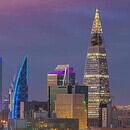
Image generated with Ai
Kazakhstan tourism was given a powerful boost in 2025 as 15.7 million foreign visits were recorded and tourism investment reached €2.4 billion. Through this expansion, Central Asia travel, accommodation development and visitor services were placed at the centre of Kazakhstan’s wider economic strategy. The increase was supported by greater international awareness, expanding transport links and continued interest in the country’s cities, landscapes and cultural attractions. Kazakhstan was consequently presented as a destination capable of serving both regional travellers and visitors arriving from more distant markets.
More than 10 million guests were received by hotels and other accommodation facilities across Kazakhstan during 2025. The growth of domestic travel has been regarded as especially valuable because demand can be maintained beyond the busiest international travel periods. Hotel occupancy, restaurant activity, local transport use and attraction visits can all be supported throughout the year when residents continue to explore their own country.
Kazakhstan has been offered to international travellers as a destination where modern cities, open steppe, mountain scenery and traditional culture can be experienced within one country. Astana and Almaty have remained important arrival points, but greater attention has also been directed towards regional tourism.
Nature-based tourism has been supported by the country’s enormous landscapes. Mountain areas, lakes, national parks, canyons and resort zones have been included within the broader visitor offering. Ski tourism, ecological travel and outdoor recreation have been identified as areas with further potential.
Advertisement
Advertisement
The mountain cluster in Almaty and the Almaty region has been given renewed development attention. Opportunities for ski and nature tourism have also been identified in eastern Kazakhstan. Large-scale modernisation has been planned for the Shchuchinsk-Borovoe resort zone so that year-round tourism, ecological experiences and sporting activities can be strengthened.
Through this broader approach, the pressure of visitor activity can be distributed. More regions can be included in tourism growth, while international visitors can be offered reasons to extend their stays.
A large share of Kazakhstan’s international visitor movement has traditionally been supported by neighbouring and nearby markets. Russia, Uzbekistan, Kyrgyzstan and China have been identified among the country’s important sources of international visitors.
Kazakhstan’s geographic position allows it to be reached from several parts of Eurasia. Regional journeys can be completed by air, road or rail, depending on the traveller’s starting point and chosen destination.
Advertisement
Advertisement
As international promotion is expanded, more attention may be placed on encouraging longer stays and multi-destination itineraries. A traveller arriving in Almaty, for example, can be connected with mountain attractions and other regional experiences. A visit to Astana can also be combined with cultural, architectural and event-led travel.
Digitalisation has been placed among the tools being used to support the tourism industry. Modern travellers usually expect clear information before departure, simple booking systems, convenient payments and reliable digital guidance after arrival.
When tourism services are brought together through digital systems, planning can be made easier. Attractions can be discovered more quickly. Routes can be understood more clearly. Accommodation and transport options can be compared before a journey is started.
Digital improvements can also be used by tourism authorities to understand visitor movement and recognise areas where demand is increasing. Infrastructure investment can then be directed more effectively.
For Kazakhstan, such development is particularly significant because destinations are spread across a very large territory. Better digital information can help international visitors understand distances, seasons, transport choices and the amount of time required for different journeys.
A large arrival figure can attract global attention, but long-term tourism success is usually shaped by the quality of each visitor’s experience. Service standards, transport reliability, cleanliness, safety information and multilingual assistance must therefore be maintained as demand grows.
The need for improved infrastructure at major visitor sites has been acknowledged by the government. Field inspections and seasonal readiness reviews have been used to identify concerns and coordinate responses.
Accommodation growth must also be supported by trained workers. Visitors should be welcomed by staff who can provide clear information and dependable service. Guides, drivers, hotel teams, restaurant employees and attraction workers all influence how a destination is remembered.
If quality is protected while capacity is expanded, stronger visitor confidence can be established. Repeat travel may then be encouraged, while positive recommendations can be generated across international markets.
A wider choice of accommodation and improved visitor infrastructure may be created as the investment programme continues. Better access to natural and regional attractions may also be provided, allowing trips to be extended beyond Astana and Almaty.
Travellers may increasingly be encouraged to explore mountain areas, resort zones and culturally important destinations. More year-round experiences may be developed as ski tourism, ecological travel, sporting activities and nature-based journeys are expanded.
Kazakhstan’s tourism story in 2025 was therefore shaped by scale, spending and ambition. Record international attention was supported by rising domestic movement, substantial investment and a national effort to improve tourism infrastructure. Through these results, Kazakhstan was moved closer to being recognised as one of Central Asia’s most important travel destinations.
[Source:- Travel Tomorrow]
Advertisement
Advertisement
Advertisement












Wednesday, September 2, 2026

Wednesday, September 2, 2026

Wednesday, September 2, 2026

Wednesday, September 2, 2026

Wednesday, September 2, 2026
Tuesday, September 1, 2026

Wednesday, September 2, 2026

Wednesday, September 2, 2026



