
Romania Is Changing Global Travel Forever With These Incredible Healing Mineral Springs And Ancient Spa Havens

Published
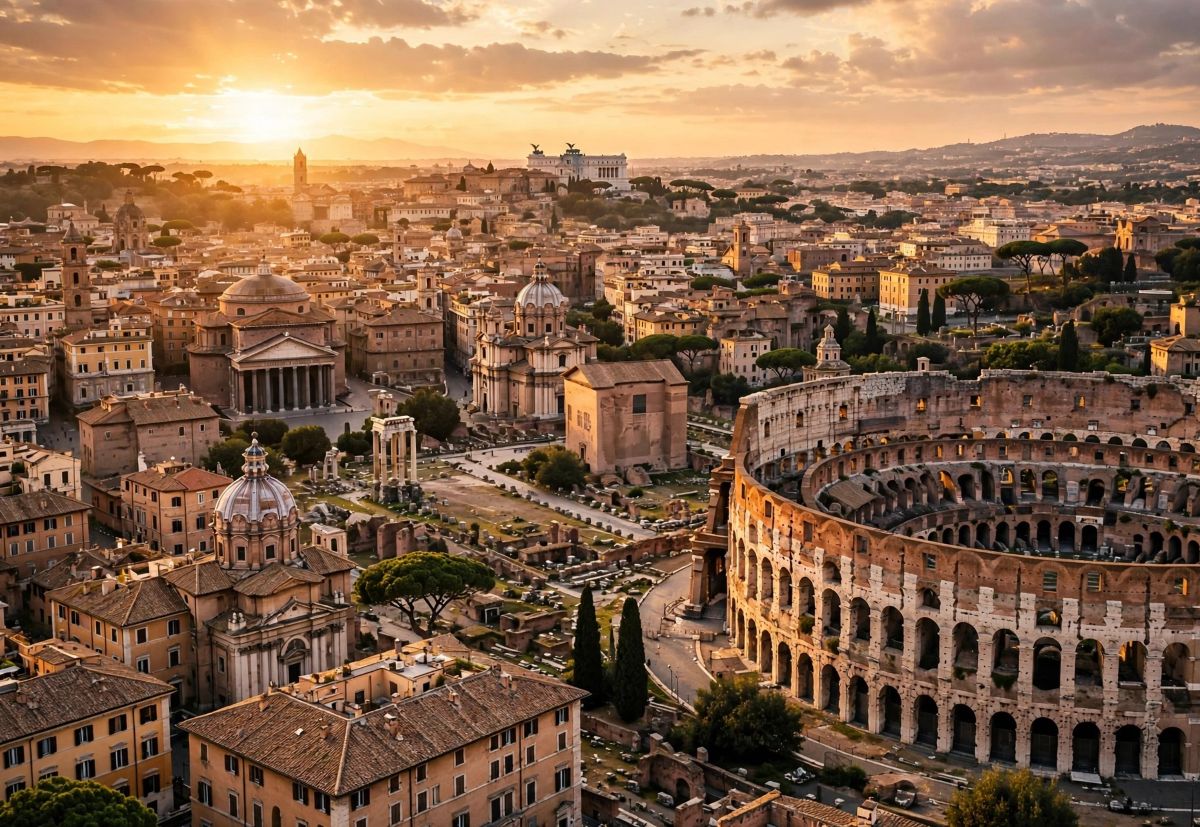
Image generated with Ai
People have always had the itch to travel to promote both physical and mental well-being. Before spas popularized “self-care,” people traveled to relax their aching bodies in healing waters. With modern society becoming increasingly more exhausted and disconnected, many people have returned to the primal need to travel. Healing and restorative travel has changed people’s expectations for where they need to travel to in order to experience complete healing. Instead of seeking to travel to remote and unknown places to find healing, there are many healing travel services which incorporate hot and cold water. Healing and restorative travel can be inspired by the ancient Roman baths in secluded river valleys or the healing restorative waters in the lakes of Transylvania. Traveling to these healing sanctuaries may heal chronic pains and most certainly improve and prolong people’s lives.
Extensive Overview of Essential Physiological System Recovery across Eastern European Thermal Sanctuaries
It was reported that the cumulative natural elements across these Eastern European destinations provided tailored healing mechanisms for four primary bodily systems. The musculoskeletal system benefited immensely because thermal mineral waters actively relieved joint stiffness, decreased chronic inflammation from arthritis, and accelerated post-surgery rehabilitation. Furthermore, skin health improved remarkably as high-sulfur and concentrated salt baths fostered natural dermal restoration for severe conditions including psoriasis, eczema, and dermatitis.
It was further observed that respiratory care advanced through specialized aerosol therapy inside subterranean salt caverns like Praid or Ocnele Mari, which significantly alleviated asthma, chronic bronchitis, and persistent sinus inflammation. Finally, the nervous system experienced profound relaxation as sustained thermal temperatures and dense mineral contents regulated the autonomic nervous system, effectively reducing chronic stress and soothing deep muscle strain.
Advertisement
Advertisement
The global travel marketplace continuously adjusts to these broad health benefits as international appetite for natural balneotherapy grows. Modern global travelers view specialized health retreats as essential investments in personal longevity rather than brief seasonal holidays. As long-term medical tourism continues its global expansion, these historical springs, unique salt lakes, and therapeutic mud deposits remain central drivers of the evolving international wellness economy.
Advertisement
Advertisement
Internal Mineral Drinking Cures and Advanced Metabolic Care in Vâlcea County
It was stated that Călimănești-Căciulata and Băile Olănești, situated within Vâlcea County, provided highly concentrated sulfurous, chlorinated, sodium, and magnesian mineral springs. These distinct water sources were utilized extensively for both immersive thermal bathing and structured internal drinking therapies. Detailed medical evaluations confirmed that these natural spring waters effectively treated complex digestive tract issues, severe kidney and urinary conditions, metabolic disorders such as diabetes, and persistent respiratory allergies.
The integration of internal mineral drinking cures throughout Vâlcea County represented a powerful magnet for holistic wellness seekers around the globe. International travelers were shifting away from superficial pampering breaks, choosing instead immersive, medically supervised internal detoxification regimes. This evolving consumer behavior prompted global itinerary planners to craft specialized nutrition and hydro-therapeutic schedules, expanding traditional tourism to incorporate preventive metabolic health management.
Coastal Sapropelic Mud Harvesting and Pioneer Anti-Aging Therapies along the Black Sea Coast
It was highlighted that coastal health havens, including Eforie Nord and Mangalia along the scenic Black Sea Coast, utilized dense black sapropelic mud gathered directly from Lake Techirghiol. The surrounding geography combined highly concentrated salt water with marine bioclimates filled with therapeutic saline aerosols. Specialists asserted that these seaside centers excelled in world-famous anti-aging therapies most notably Gerovital treatments alongside significant relief for osteoarthritis, clinical psoriasis management, and complex metabolic conditions.
Advertisement
Advertisement
The strong reputation of the Black Sea Coast as a premier destination for anti-aging and dermatological care deeply influenced global medical travel trends. High-net-worth travelers frequently booked multi-week coastal retreats that paired marine climatotherapy with precise clinical routines. Consequently, regional hospitality providers upgraded their facilities to offer comprehensive medical-spa services, elevating the territory’s prominence across European and international health markets.
Heliothermal Salt Lakes and Saline Speleotherapy across Central Transylvania
It was noted that Sovata, located in central Transylvania, sheltered Lake Ursu (commonly referred to as Bear Lake), which held distinction as the largest heliothermal salt lake in all of Europe. The area offered mineral-dense salt waters coupled with organic bottom mud, while the nearby settlement of Praid provided access to an extensive therapeutic salt mine. Medical researchers verified that these combined natural assets were internationally acclaimed for addressing female infertility, gynecological disorders, severe rheumatic conditions, psoriasis, and chronic asthma.
The global impact of Sovata’s unique microclimate redirected international travel routes toward central Transylvania. Specialized travel networks established niche healthcare packages tailored specifically for reproductive wellness, pulmonary rehabilitation, and dermatological recovery. This steady stream of global visitors fostered year-round travel patterns, stabilizing regional tourism economies while generating demand for specialized medical translation, local eco-resorts, and expert wellness guides.
Ancient Roman Thermal Heritage and Modern Respiratory Remedies in the Cerna Valley
Advertisement
Advertisement
It was observed that Băile Herculane, nestled within the picturesque Cerna Valley, represented one of Europe’s oldest continuous thermal spa destinations, tracing its lineage directly back to ancient Roman antiquity. The resort boasted mineral springs abundant in sulfur, sodium chloride, and calcium, alongside natural thermal gas emissions known as mofettas. Industry analysts emphasized that these natural properties provided exceptional therapeutic protocols for chronic joint pain, degenerative disk diseases, persistent skin conditions, and chronic respiratory ailments.
The global travel sector registered a major resurgence of interest in historical thermal towns like Băile Herculane. Contemporary travelers actively sought authentic heritage combined with scientifically validated therapeutic treatments. As a result, global travel platforms prioritized marketing heritage-rich natural retreats, prompting local authorities to restore historic bathhouses, enhance transit connections, and expand heritage-based wellness travel across the Cerna Valley.
Thermal Hydrotherapy and Post-Traumatic Rehabilitation in Western Romania
It was reported that Băile Felix, located near the Oradea Region, served as a primary epicenter for advanced thermal hydrotherapy. The resort featured oligomineral thermal waters ranging between 20°C and 49°C, alongside specialized therapeutic sapropelic mud. Clinical experts indicated that these natural resources provided extraordinary relief for individuals managing rheumatoid arthritis, post-traumatic musculoskeletal recovery, complex neurological disorders including paralysis management, and various gynecological afflictions.
From an industry perspective, the expansion of specialized medical facilities in Băile Felix reshaped regional infrastructure. Tour operators established direct partnerships with clinical rehabilitation centers to structure multi-week therapeutic stays for international visitors. Consequently, growing demand for long-stay hospitality stimulated strategic investments in modern wellness facilities, specialized transit services, and accessible accommodations throughout the Oradea Region.
Advertisement
Advertisement
Financial Projections and High-Return Investment Frameworks for Eastern European Medical Tourism Growth
The financial architecture surrounding international health travel is undergoing a massive structural expansion across Europe. The global market valuation for wellness-driven travel exceeds $1.1 trillion, reflecting a major realignment in how international consumers spend their disposable income. Health-focused visitors present a distinct financial profile compared to traditional holiday tourists; medical travelers record an average daily spend of over $350 per individual. Across specialized regional centers, annual healthcare visitors routinely exceed 1.5 million individuals, generating a transformative localized economic impact that accounts for roughly 4.2% of regional Gross Domestic Product.
This financial dynamic is reshaping strategic capital allocation and infrastructure development throughout Eastern European medical destinations. Real estate developers and institutional hospitality networks are prioritizing long-stay residential rehabilitation models over standard high-turnover lodging. Because extended therapeutic regimens require stays ranging from two to three weeks, occupancy metrics remain remarkably stable throughout off-peak seasonal windows. Consequently, regional investment groups are achieving elevated return-on-investment figures, which accelerates the construction of modernized clinical wings, high-end wellness accommodations, and specialized transit connections designed specifically for mobility-assisted international guests.
Zero-Carbon Geothermal Integration and Sustainable Eco-Resort Infrastructure Development
Modern health tourism facilities are increasingly evaluated on their environmental stewardship, driving large-scale adoption of zero-carbon infrastructure. Deep thermal source wells yield continuous geothermal water outputs at temperatures ranging from 49°C to 85°C, creating a powerful dual-purpose resource for both clinical hydrotherapy and facility heating. By capturing high-temperature geothermal energy through closed-loop heat exchangers, advanced resort complexes achieve facility energy savings of up to 40%. Furthermore, daily operational protocols process thousands of cubic meters of mineral water through sophisticated filtration systems, enabling responsible water recycling while protecting local natural aquifers.
Advertisement
Advertisement
This integration of eco-friendly engineering fundamentally alters the operational economics of high-capacity medical resorts. Facilities earning prestigious international eco-certification ratings lower their long-term utility overhead while appealing directly to environmentally conscious international travelers. Sustainable water management systems safeguard the pristine purity of natural mineral springs, ensuring long-term ecological preservation. As global travel standards increasingly favor low-impact retreats, carbon-neutral geothermal infrastructure serves as both a primary marketing differentiator and a vital protective shield for delicate natural ecosystems.
Quantitative Mineral Composition Analysis and Biochemical Profiles of Natural Spring Sources
The therapeutic efficacy of natural spring resorts rests upon precise hydro-chemical parameters and dense mineral concentration levels. Hydrogeological analysis confirms that premium therapeutic waters contain elevated dissolved solids measured in high grams-per-liter concentration figures, alongside specialized sulfur concentrations measured in substantial parts per million. A prime example of this biochemical density is found in Lake Ursu, where salt salinity percentages reach up to 250 g/L in deeper waters. Moreover, the balanced pH levels of oligomineral and thermal spring sources determine their suitability for systemic bathing or internal ingestion therapies.
These precise biochemical data points provide vital scientific validation for international medical boards and corporate health insurance providers. When medical travel networks consider reimbursing cross-border treatments, empirical mineral profiles offer the necessary clinical proof to justify patient referrals. Validated chemical parameters transform centuries-old traditional spa remedies into modern, evidence-based medical treatments, seamlessly integrating natural mineral baths into official European healthcare referral frameworks.
Post-Volcanic Mofetta Gas Dynamics and Advanced Vascular Rehabilitation Protocols
Advertisement
Advertisement
Dry thermal gas therapies, clinically recognized as mofetta treatments, represent one of the most specialized natural therapies found in historical spa centers like Băile Herculane. Natural post-volcanic emissions discharge carbon dioxide concentrations maintaining an exceptional purity level between 95% and 98% 
Image generated with Ai
purity. Clinical treatment protocols strictly control patient exposure, limiting sessions to precise timeframes between 10 and 20 minutes inside specialized subterranean chambers. Upon exposure, the gas naturally permeates the skin, triggering localized vascular expansion that drives a measured 20% increase in peripheral blood flow.The clinical outcome of this vascular response includes notable average reductions in patient blood pressure, offering profound non-invasive benefits for individuals suffering from chronic circulatory conditions. The availability of these rare post-volcanic gas treatments allows destination marketers to capture lucrative niche markets in cardiovascular rehabilitation and peripheral arterial disease management. Consequently, high-value medical travel networks are establishing dedicated clinical pathways that connect Western European cardiology patients directly with specialized mofetta centers.
Comparative Value Metrics between Eastern European and Western European Spa Destinations
A clear economic contrast emerges when analyzing treatment cost structures between traditional Western European wellness hubs and high-performing Eastern European thermal resorts. Multi-week clinical recovery packages in destinations like Băile Herculane cost between 50% and 70% less than equivalent therapeutic programs in world-famous Western towns such as Baden-Baden or Évian-les-Bains. Furthermore, Western European spa stays typically center on brief leisure visits lasting 3 to 5 days, whereas Eastern European retreats focus on immersive, clinical balneotherapy itineraries extending across 14 to 21 days.
This drastic cost advantage creates high return-on-investment opportunities for international wellness tour operators and corporate medical travel providers. Global consumers obtain multi-week, physician-supervised care packages including clinical therapies, full room and board, and specialist consultations for a fraction of the cost of short luxury spa breaks in Western Europe. This value proposition is prompting major European health insurance funds to expand cross-border coverage options, routing millions of patient care days into high-quality Eastern European facilities.
Advertisement
Advertisement
Microclimate Speleotherapy Metrics within Deep Underground Salt Mine Chambers
Subterranean salt mine environments offer exceptional microclimatic conditions that power advanced, non-pharmacological respiratory treatments. Deep underground caverns, such as the renowned salt mine facility in Praid, operate at depths exceeding 120 meters below the surface. These underground chambers maintain stable year-round ambient temperatures ranging between 12°C and 14°C, alongside closely regulated relative humidity controls between 40% and 60%. The air is naturally saturated with microscopic sodium aerosols carrying particle sizes strictly under 5 microns.
Because aerosolized salt particles measure under 5 microns, they penetrate deep into the lower human respiratory tract, clearing airways, reducing mucosal inflammation, and expanding pulmonary capacity. This unique microclimate provides an ideal setting for pediatric asthma retreats and long-term pulmonary rehabilitation programs. Global travel networks are constructing specialized health travel packages around these subterranean environments, establishing consistent, year-round visitor flows that bolster local hospitality providers and transportation infrastructure.
Biohacking Innovations and the Expansion of Global Longevity Tourism Demographics
The traditional balneotherapy landscape is rapidly evolving to incorporate modern biohacking practices, post-viral rehabilitation protocols, and longevity science. Multi-week wellness stays centered on cellular detox, cellular rejuvenation, and telomere-protection clinical study markers are expanding at a remarkable 35% year-over-year request rate. Modern clinical studies track high recovery success rates for post-viral fatigue and systemic inflammation, proving that mineral hydrotherapy accelerates cellular repair when paired with modern medical monitoring.
Advertisement
Advertisement
This technological evolution is driving a major demographic shift in global health travel. Historically dominated by older retirees, thermal resorts are seeing rapid adoption among health-conscious individuals aged 30 to 50 seeking preventive wellness and performance optimization. This younger demographic demands high-tech diagnostic integration, customized metabolic nutrition plans, and scientific biohacking routines alongside traditional thermal soakings. In response, global travel providers are expanding their resort offerings to include advanced longevity protocols, positioning regional thermal springs at the cutting edge of international preventive healthcare.
The Final Verdict
It is something special to see the strength displayed by clients to finally come in and release years of their feelings. Leaving and seeing the relief they experience is an amazing feeling. While Therapeutic sanctuaries in Romania give excellent scientific data, it also has so much more, especially the ability to time travel and experience and connect with a caretaker of the woods at almost a century old. The world has become fast and anxious, and even more so,”traveling” has become a check off list and digital selfies. Yet, taking in a Thermae sanctuary truly reminds you to slow down and calm the rushing anxiety. The relationships we have with our bodies today are deep and complicated and traveling is a necessity for life. Maybe you feel at peace in the Lake Techirghiol mud. Maybe you find peace in the underground caverns Praid. Travel is not about a destination. It is about healing and going to the place you truly deserve.
Advertisement
