
South Korea Adjoins Australia and Other Countries to Build Global Crowdsourced Aviation Bag-Tracking Grid

Published
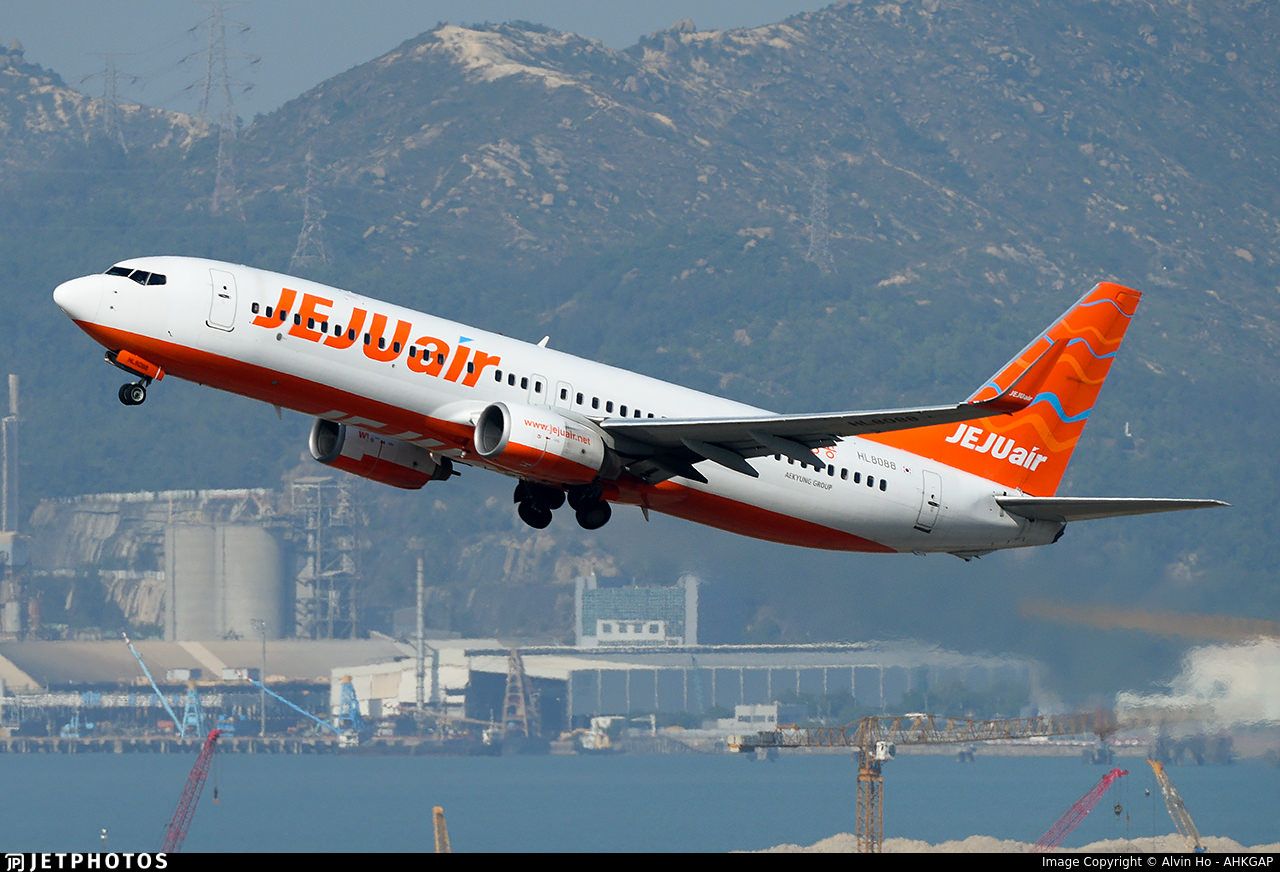
South Korea is joining with Australia and other nations to create a global, crowdsourced aviation bag-tracking gride. Millions of travelers are plagued by misplaced luggage at busy international airports around the world. But now innovative mobile operating systems are including secure item-finders as a part of the airlines’ recovery software. Travelers create encrypted tracking links on their smartsphones to instantly find lost bags. Airline carriers and tech companies are using these crowd-sourced networks to dramatically reduce misplacement rates by eliminating costly equipment. This brilliant collaboration is changing the world of airport security, completely transparent, ultra efficient and leaving every modern traveler feeling secure knowing their bags are safe.
Global aviation has transformed baggage recovery through the direct integration of consumer crowdsourced tracking networks into core airline systems, slashing permanent luggage losses by up to ninety percent.
How Did Consumer Networks Become Aviation Infrastructure?
The historic reliance on fixed barcode scans at airport checkpoints has long left blind spots during complex interline transfers. When luggage went astray, passengers and ground crews found themselves navigating information vacuums and delayed updates. By integrating consumer ecosystems like Apple’s Find My and Android’s Find Hub into operational software, the aviation industry solved this enduring challenge. Passengers can now generate secure, time-limited tracking links directly from their mobile operating systems and feed them straight into recovery databases. This seamless mechanism turns billions of consumer smartphones into an official global tracking grid without requiring massive capital expenditures.
Industry data confirms that linking passenger-authorized tracking data directly into frontline recovery systems drastically accelerates retrieval times. Major software architects like Geneva-headquartered SITA embedded support for these consumer feeds directly into WorldTracer, the baggage-tracing engine utilized by hundreds of airlines worldwide. Although traditional scanning remains standard, these crowdsourced consumer links bridge critical visibility gaps during peak travel disruptions and multi-leg journeys.
Advertisement
Advertisement
For official guidance on passenger luggage rights, safety regulations, and border control policies when flying into the UK, consult the UK Government Baggage Checks and Travel Guidelines.
What Role Do Global Carriers Play in Mobile Recovery?
United States carriers, spearheaded by Delta Air Lines, were among the earliest domestic pioneers to implement mobile-integrated lost baggage recovery protocols. By allowing passengers to paste secure tracking links directly into digital claim forms, U.S. airlines successfully eliminated hours of manual guesswork at congested hub airports. Simultaneously, Australia’s Qantas adopted these digital tracking frameworks to manage complex, long-distance domestic and international bag transfers across remote regional sectors.
Advertisement
Advertisement
These implementations demonstrate how localized carrier adoption creates a resilient international safety net for modern travelers. As more global airlines incorporate secure location sharing into their standard operating procedures, cross-border luggage handling becomes increasingly predictable and transparent.
How Does SITA Bridge Consumer Tech with Ground Staff?
Headquartered in Geneva, SITA provides the vital software architecture that bridges consumer mobile tracking secure links with airline ground staff interfaces. SITA ensures that an item tracked via a consumer device can be acted upon seamlessly by any participating carrier through the standardized WorldTracer platform.
This technical integration maintains strict data privacy while granting ground handlers temporary, secure visibility into a missing bag’s exact location. Consequently, this software coordination converts consumer-grade convenience into robust, aviation-grade operational efficiency that saves the industry billions in mishandling costs.
Why Are South Korean Manufacturers Redefining Smart Luggage?
South Korea sits at the forefront of hardware innovation by partnering directly with mobile tech ecosystems to embed native tracking tokens into hardshell luggage. Leading smart-device manufacturers and domestic luggage brands now design travel gear with factory-integrated Bluetooth LE beacon hardware and native operating system compatibility.
This manufacturing evolution eliminates the need for aftermarket accessory tags, offering travelers permanent and reliable visibility straight out of the box. By aligning hardware production with global software platforms, South Korean innovators ensure that physical luggage and digital tracking networks evolve as a unified ecosystem.
| Country / Region | Key Entities Involved | Core Contribution to Interline Baggage Sharing |
| United States | Delta Air Lines & Major Carriers | Pioneered mobile-integrated recovery protocols by letting passengers submit secure tracking URLs via digital claim forms to clear bottlenecks at busy hub airports. |
| Australia | Qantas | Implemented digital tracking frameworks to trace complex, long-distance domestic and international bag transfers across remote regional networks. |
| Switzerland | SITA (Headquartered in Geneva) | Manages the global software architecture (WorldTracer) that ingests consumer mobile tracking links into airline ground-staff operations. |
| South Korea | Smart-Device & Luggage Makers | Collaborates with mobile tech ecosystems to embed native tracking tokens and Bluetooth LE hardware directly into hardshell suitcases. |
This innovative use of consumer item finders creates permanent tracking capabilities and allows travelers to assume new responsibilities over personal effects during complicated interline trips. By avoiding costly hardware purchases, the aviation industry successfully uses the collective buying power of billions of cell phone users. In turn, this pioneering technology permanently reduces airline expenditures on lost bags and dramatically improves standards of care for fussy passengers while setting new global bag tracking standards for decades to come.
Advertisement
Advertisement
“Integrating crowdsourced consumer tracking into global airline systems marks a monumental leap forward for modern aviation logistics. By securely transforming everyday mobile devices and item-finders into official recovery tools, airlines can finally bypass legacy information vacuums during complex interline journeys. Industry leaders across the United States, Australia, Switzerland, and South Korea have proven that zero-capex collaborative networks drastically cut down mishandling rates and accelerate luggage retrieval times. Ultimately, this seamless technological synergy redefines passenger confidence, lowers operational overhead, and establishes a robust, highly transparent global standard for baggage tracking.”
— Anup Kumar Keshan, Founder and Editor-in-Chief, Travel And Tour World
Why did global aviation embrace consumer item-finder systems?
Because disconnected barcode scanning resulted in billions of dollars of damaged and misplaced bags during complicated transfers, the industry turned to consumer tracking devices. The fundamental reason why this innovative technology cut costs while improving service is because it taps into aggregate consumer buying power. By using consumer smartphones to access tracking web addresses, airlines don’t have to purchase new hardware to create a comprehensive, permanent tracking solution spanning multiple countries. This cost-saving measure creates faster recoveries while lightyears ahead of current global bag tracking norms.
South Korea, in conjunction with Australia and other countries, creates a crowdsourced aviation bag-tracking grid. The permanent tracking solution represents a significant benefit to the airline industry by reducing costs and improving customer satisfaction. Travelers using this technology have greater ability to track personal belongings during complicated interline journeys. Plus, the industry avoids the cost of expensive tracking devices. Finally, by employing billions of consumer cellphones, the global airline industry dramatically reduces baggage recovery costs.
Why did the global airline industry embrace consumer item-finder networks? In the past, the airline industry incurred billions of dollars in costs associated with scanning barcodes in complex transfer situations. The most logical solution to the problem involves linking consumer cellphones to airline recovery databases through tracking links. The primary reason the crowdsourced tracking solution works so well is its ability to sidestep the high costs of tracking devices. By using the billions of cellphones in South Korea, Australia, and other countries, the airline industry dramatically lowers the costs of baggage tracking while simultaneously increasing efficiency and improving traveler satisfaction.
Advertisement
