
Cuba Tourism Faces Historic Collapse As Massive Hotel Closures, Foreign Brand Exit And Visitor Crisis Shake Caribbean Destination

Published
The tourism industry in Cuba is now facing one of it’s most severe challenges of the last few decades, as closures of thousands of hotels and the withdrawal of international hospitality operators, combined with a significant drop in travel, is pushing Cuba into an uncharted economic devastation. Of the island’s tourism industry, 73% of the hotels have closed, approximately 25,000 employees of the hospitality industry face unemployment, and numerous internationally recognized hotel groups have left the island.
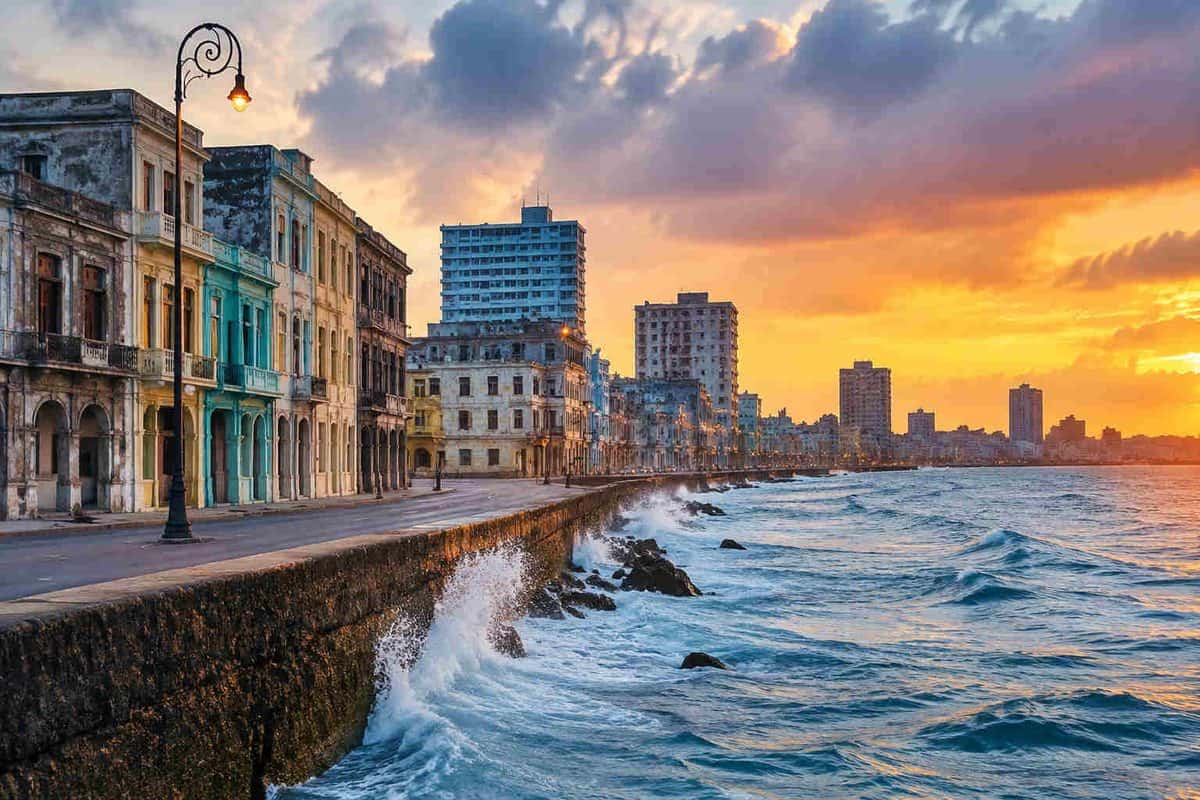
Once known worldwide for its colourful cities, historic streets, white-sand beaches and vibrant cultural experiences, Cuba is now struggling to maintain one of its most important economic pillars. Tourism has long played a central role in bringing foreign currency into the country, supporting hundreds of thousands of jobs and connecting the island with international markets. However, a combination of economic pressure, fuel shortages, reduced air connectivity and declining international demand has created one of the toughest periods ever experienced by Cuban tourism.
Cuba’s Hotel Sector Enters A Severe Downturn As Majority Of Properties Remain Closed
The scale of the hotel crisis became clear after authorities revealed that nearly three-quarters of Cuba’s hotel infrastructure was no longer operating. The closure of 73% of hotel facilities represents a major setback for a destination that has traditionally depended heavily on large resort properties and international hotel partnerships.
The shutdowns have affected some of the country’s most important tourism areas, including Havana, Varadero, Trinidad, Holguín, Viñales and Santa Lucía. These destinations have historically attracted millions of visitors through their combination of beaches, heritage attractions, nature tourism and cultural experiences.
Advertisement
Advertisement
The impact has extended far beyond empty rooms. Thousands of tourism workers who depended on hotels, restaurants and related services have been affected as operations have slowed dramatically. Around 25,000 hotel employees have reportedly been placed in a state of availability, reflecting the sharp reduction in activity across the hospitality sector.
For Cuba, the hotel closures represent more than a temporary business disruption. The country spent decades developing tourism infrastructure designed to compete with other Caribbean destinations. Large-scale resorts, international management agreements and foreign tourism partnerships became a major part of the island’s economic strategy.
Advertisement
Advertisement
The sudden contraction of this system has created uncertainty about how quickly the industry can recover and whether Cuba can attract enough investment and visitors to restart closed properties.
International Hotel Giants Leave Cuba As Tourism Confidence Weakens
A major factor behind the current crisis has been the withdrawal of international hotel companies that previously helped promote Cuba as a global holiday destination.
Several internationally recognised hospitality groups have ended or reduced their operations on the island, affecting a significant share of foreign-managed hotel rooms. Among the companies that have exited or scaled back are major Spanish hospitality names along with operators from Canada, Indonesia and Turkey.
The departure of these companies has created a major challenge for Cuba because international brands provided global marketing networks, reservation systems, operational expertise and access to international travellers.
One of the most significant exits involved Spanish hotel group Meliá, which had been one of Cuba’s largest foreign hospitality partners. The company managed dozens of hotels across the island before ending its management and commercial activities.
Another major Spanish operator, Iberostar, also reduced its presence by stopping operations at several properties before completing its withdrawal from remaining establishments.
Advertisement
Advertisement
Barceló, another important Spanish tourism group, also ended its hotel agreements in Cuba.
The withdrawal of these companies has changed the structure of Cuba’s tourism industry. Hotels that previously operated under internationally recognised brands are now facing the challenge of continuing operations under different management models.
Tourism Arrivals Collapse As Cuba Loses International Visitors
The hotel crisis has been accompanied by a severe decline in international visitor numbers.
Official tourism figures show that Cuba welcomed only 387,591 international visitors during the first six months of 2026, compared with 985,606 visitors during the same period a year earlier. This represents a decline of more than 598,000 travellers and a year-on-year fall of 60.7%.
The decline highlights the scale of the challenge facing Cuba’s tourism industry. A destination that once depended on steady international arrivals is now dealing with a sharp fall in demand from key markets.
Canada, traditionally Cuba’s largest tourism source market, experienced one of the biggest reductions. Visitor numbers from Canada fell dramatically compared with the previous year, creating a significant loss for Cuban resorts that historically depended on Canadian holidaymakers seeking winter sun.
Advertisement
Advertisement
The fall in Canadian arrivals has been especially damaging because Canada has long been one of Cuba’s strongest tourism partners. Large numbers of Canadian travellers traditionally visited destinations such as Varadero and other coastal resorts during colder months.
The decline has affected airlines, tour operators, hotels, restaurants and local businesses connected to tourism.
Low Hotel Occupancy Shows The Depth Of Cuba’s Tourism Struggle
The weakness in tourism demand has also been reflected in hotel occupancy levels.
During the first quarter of 2026, Cuba’s hotel occupancy rate fell to around 12.9%, significantly below the level recorded during the same period in the previous year. The extremely low occupancy rate demonstrates how dramatically visitor demand has weakened.
For hotels, low occupancy creates serious financial pressure. Large resorts require constant revenue from room sales, restaurants, maintenance services and tourism activities. When visitor numbers fall sharply, operating costs become increasingly difficult to manage.
The impact has been particularly severe for destinations built around large all-inclusive resorts. These properties depend on international flights, tour packages and predictable seasonal demand.
Advertisement
Advertisement
With fewer flights arriving and international operators reducing their presence, many hotels have struggled to maintain normal operations.
Fuel Shortages And Airline Reductions Deepen Cuba’s Tourism Crisis
Cuba’s tourism problems have also been intensified by challenges in aviation connectivity.
A shortage of aviation fuel forced several international airlines to temporarily suspend services to the island, reducing the number of available routes for foreign travellers. The disruption affected important markets and made Cuba more difficult to access for international tourists.
Air connectivity is one of the most important elements of a successful tourism economy. Caribbean destinations depend heavily on reliable international flights because most visitors arrive by air.
When flight schedules are reduced, travellers often choose alternative destinations where access is easier and more predictable.
For Cuba, the loss of air capacity created a chain reaction. Fewer flights meant fewer visitors. Fewer visitors meant lower hotel occupancy. Lower occupancy increased financial pressure on tourism businesses.
Advertisement
Advertisement
The situation created a challenging environment where hotels, airlines and tourism companies were all affected at the same time.
Foreign Companies Face Financial Pressure As Cuba’s Tourism Model Comes Under Strain
The crisis affecting Cuba’s tourism sector has not only damaged hotels and visitor numbers but has also created major financial challenges for foreign companies operating on the island. International hospitality groups that invested in Cuba over decades have faced increasing difficulties linked to banking restrictions, operational uncertainty and limited access to international financial systems.
For many foreign operators, the challenge has been managing businesses in an environment where transferring revenue, paying suppliers and maintaining normal financial operations have become increasingly complicated.
Spanish hospitality companies have been among the most affected. These businesses played a major role in developing Cuba’s modern tourism industry after the country expanded international tourism partnerships in previous decades. Their hotels helped connect Cuba with European and North American travellers through global booking networks and recognised brands.
However, the current environment has forced several companies to reconsider their long-term presence. The withdrawal of major hotel groups has created uncertainty not only for hotel employees but also for thousands of local suppliers, transport companies, restaurants and small businesses that depend on tourism activity.
The departure of international operators also creates a wider challenge for Cuba’s tourism image. Global hotel brands often provide travellers with confidence through international standards, loyalty programmes and established service expectations. Replacing that international presence requires significant investment and strong operational management.
Advertisement
Advertisement
Without these partnerships, Cuba must find new ways to maintain service quality while attracting visitors in an increasingly competitive Caribbean tourism market.
Cuba Attempts To Keep Tourism Operations Alive Despite Massive Disruption
Despite the scale of the crisis, Cuban authorities continue to promote the message that tourism operations remain active and that visitors can still experience the country’s destinations.
The government has highlighted that several hotels continue operating across major tourism areas, including Havana, Varadero, Trinidad, Holguín, Viñales and Santa Lucía.
The strategy now focuses on maintaining essential tourism capacity while searching for new management agreements and alternative investment partnerships.
Cuba’s tourism infrastructure remains one of the country’s strongest assets. The island still possesses internationally recognised attractions, including historic cities, cultural heritage sites, tropical landscapes and famous beach destinations.
Varadero continues to represent one of the Caribbean’s most recognised resort locations, while Havana remains a major cultural destination with its colonial architecture, music traditions and historic neighbourhoods.
Advertisement
Advertisement
Nature-based tourism also remains an important opportunity. Cuba’s protected areas, marine ecosystems and rural landscapes provide potential for travellers interested in adventure, wildlife and sustainable tourism experiences.
The challenge is not the absence of attractions. The challenge is restoring confidence, improving accessibility and rebuilding international demand.
New Hotel Partnerships Become Key To Cuba’s Tourism Recovery Strategy
With several international brands leaving the market, Cuba is looking for new operators that can manage and promote its tourism infrastructure.
New partnerships with foreign hospitality companies have become an important part of the recovery strategy.
Italian hospitality group Domina has been highlighted as one company expanding its involvement in Cuba, with projects connected to Havana and Varadero. These developments represent an attempt to replace some lost international management capacity and maintain foreign participation in the sector.
However, attracting new investors will require overcoming significant challenges. International companies carefully evaluate political conditions, financial security, operational costs and market demand before entering a destination.
Advertisement
Advertisement
For Cuba, rebuilding investor confidence will be one of the most important steps in restoring tourism growth.
The country must demonstrate that hotels can operate efficiently, visitors can travel easily and international businesses can maintain stable operations.
Canada’s Tourism Decline Creates A Major Blow For Cuban Resorts
The collapse in Canadian visitor numbers represents one of the biggest challenges facing Cuba’s tourism recovery.
For many years, Canadian travellers formed the backbone of Cuba’s resort tourism industry. Thousands of visitors from Canada travelled annually to enjoy the island’s beaches, warm climate and all-inclusive resorts.
Destinations such as Varadero and the northern coastal areas were particularly dependent on Canadian demand.
The sharp reduction in Canadian arrivals has created a major gap in hotel occupancy and airline capacity.
Advertisement
Advertisement
When a major source market declines, the impact spreads throughout the tourism economy. Hotels receive fewer bookings, airlines reduce flights, tour operators cut programmes and local businesses experience lower customer spending.
Cuba now needs to diversify its tourism markets and attract visitors from a wider range of countries.
Potential growth opportunities exist in Europe, Latin America and emerging Asian markets. However, competing for these travellers requires strong air connectivity, modern marketing campaigns and consistent visitor experiences.
Aviation Challenges Make Tourism Recovery More Difficult
Air access remains one of the biggest barriers to rebuilding Cuba’s tourism industry.
Island destinations depend heavily on international flights. Unlike mainland destinations, Cuba cannot rely on visitors arriving by road or rail.
The temporary suspension of flights by several airlines due to fuel shortages created immediate damage to the tourism sector. Reduced connectivity made holidays more complicated and encouraged travellers to choose alternative Caribbean destinations.
Advertisement
Advertisement
Airlines consider multiple factors before restoring or expanding routes, including passenger demand, fuel availability, operational costs and financial stability.
For Cuba to rebuild visitor numbers, restoring reliable international air connections will be essential.
More flights mean more tourism opportunities. More tourism opportunities mean stronger hotel occupancy and greater economic activity.
Cuba’s Tourism Future Depends On Rebuilding Global Confidence
The current crisis represents one of the biggest tests faced by Cuba’s tourism industry since the sector became a major economic engine.
The island still has many advantages. Its cultural identity, historic cities, beaches and natural beauty remain powerful attractions for international travellers.
However, modern tourism depends on more than attractions alone.
Advertisement
Advertisement
Successful destinations require reliable transportation, strong hospitality operations, international partnerships, digital marketing, investment and visitor confidence.
Cuba must now rebuild these foundations while dealing with the consequences of hotel closures, reduced flights and declining international arrivals.
The recovery process will likely require a combination of domestic management, foreign investment and new tourism strategies.
The country’s ability to restore international partnerships will play a major role in determining how quickly the industry can return to growth.
Caribbean Tourism Competition Adds More Pressure On Cuba’s Recovery
Cuba is not rebuilding tourism in isolation. It is competing against other Caribbean destinations that continue expanding their tourism sectors.
Countries across the region are investing heavily in airports, resorts, cruise facilities and new travel experiences.
Advertisement
Advertisement
Destinations such as the Dominican Republic, Jamaica and other Caribbean markets continue attracting international visitors by offering strong air connections and large-scale hospitality infrastructure.
To compete, Cuba will need to highlight its unique advantages while addressing operational challenges.
Its historic character, cultural richness and authentic experiences remain important differentiators.
Many travellers continue to seek destinations that offer more than traditional beach holidays. Cuba’s music, architecture, food traditions and local culture provide opportunities for experiences that are difficult to replicate elsewhere.
Tourism Recovery Could Become A Major Economic Turning Point For Cuba
Tourism remains one of Cuba’s most important economic sectors. A recovery would provide benefits far beyond hotels and airports.
A stronger tourism industry would support employment, increase foreign currency earnings and create opportunities for local businesses.
Advertisement
Advertisement
Restaurants, transportation providers, guides, artisans and entertainment companies all depend on international visitors.
The current crisis has shown how deeply connected the wider economy is to tourism performance.
Restoring visitor confidence and rebuilding tourism capacity could become a crucial part of Cuba’s broader economic recovery.
However, the road ahead remains challenging.
The country must overcome reduced international demand, rebuild hotel operations, restore airline connectivity and attract new investment.
Cuba Tourism Faces A Defining Moment As The Island Searches For Recovery
Cuba’s tourism industry is now standing at a critical crossroads.
Advertisement
Advertisement
The closure of a large majority of hotels, the departure of international hospitality brands and the dramatic fall in visitor numbers have created a historic challenge for the Caribbean destination.
Yet Cuba remains a destination with powerful global recognition.
Its beaches, heritage cities, natural landscapes and cultural identity continue to attract interest from travellers around the world.
The future of Cuban tourism will depend on whether the country can transform its remaining strengths into a new growth model.
Rebuilding international confidence, securing new partnerships and improving connectivity will determine whether Cuba can restore its position as one of the Caribbean’s leading tourism destinations.
The coming years will reveal whether the island can overcome its deepest tourism crisis and begin a new chapter in its long history of welcoming international visitors.
Advertisement
