
Emirates Celebrates 30 Years in Australia With 70 Weekly Flights and Massive Global Travel Expansion

Published
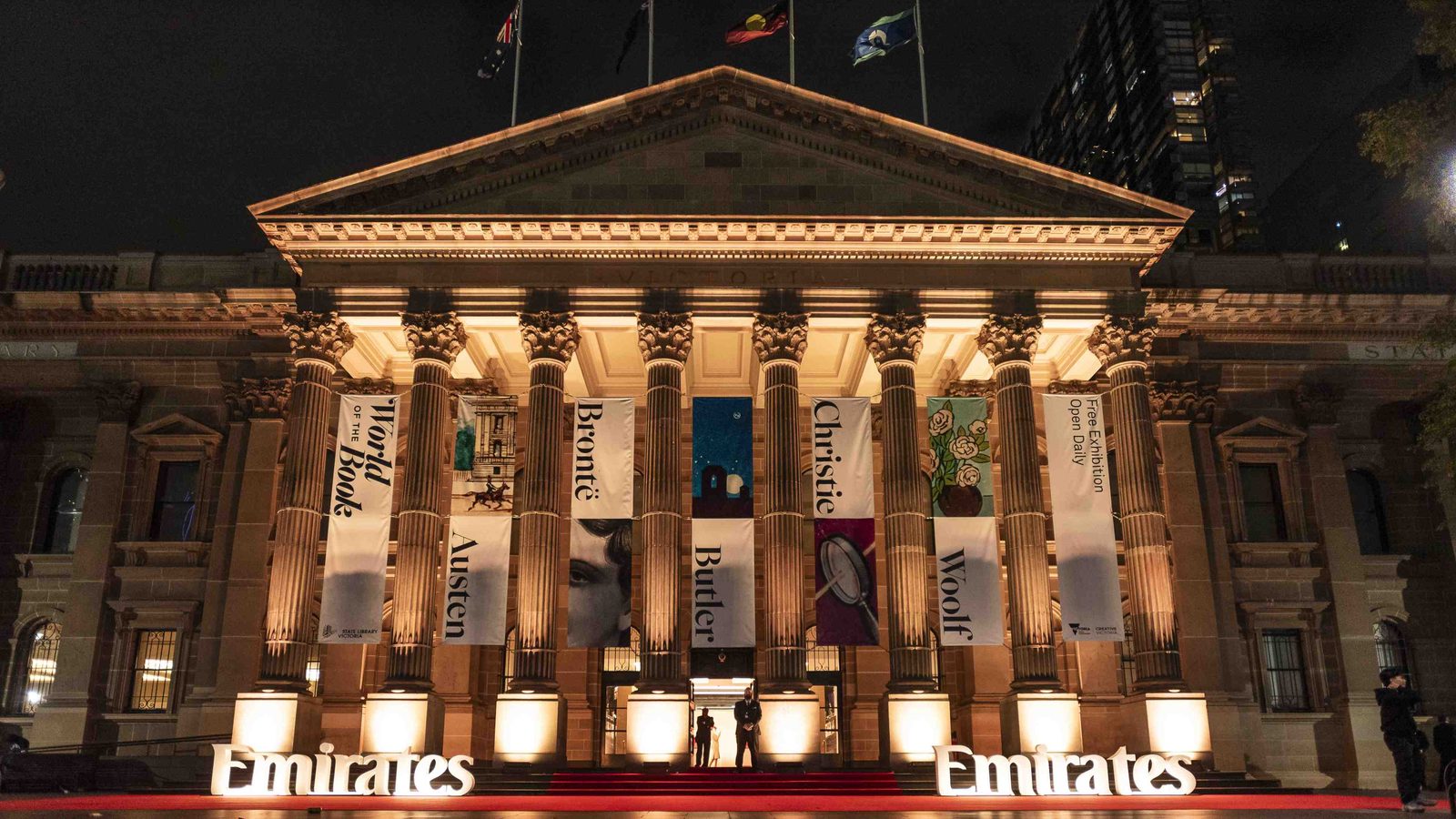
Emirates in Australia has reached a significant milestone, marking 30 years since the airline launched flights to Melbourne in June 1996. What began with three weekly services has developed into a five-city operation offering 70 weekly flights through Dubai. The Emirates 30th anniversary highlights more than route expansion. New aircraft, increased premium seating, tourism partnerships and cargo links have all formed part of the airline’s Australian presence.
With the Emirates global network connecting travellers to nearly 140 destinations, the anniversary also underlines the importance of Australia international travel connections for international visitors, businesses and passengers seeking seamless onward journeys worldwide.
From Melbourne’s First Flight to Five Australian Gateways
Melbourne was Emirates’ first Australian gateway, served from June 1996. Sydney followed in 2000, Perth in 2002, Brisbane in 2003 and Adelaide in 2012. Today, these gateways are linked with Dubai by 70 weekly flights, providing one-stop access to cities across Europe, Africa, the Americas and the Middle East.
Growth has been particularly visible in Melbourne. Three weekly departures in 1996 became three daily services by 2017. From March 2018, all three were scheduled with Airbus A380 aircraft, strengthening onward connections to the UK and Europe. Following pandemic disruption, a second daily A380 service was added in May 2022, offering more than 1,000 seats daily between Dubai and Melbourne.
Advertisement
Advertisement
Connectivity was also expanded through the 2013 commercial partnership with Qantas. Integrated networks, schedules and frequent-flyer benefits enabled single-ticket access to more than 65 international destinations, alongside domestic and trans-Tasman connections. According to Emirates, the alliance has carried over 17 million passengers.
Upgraded Cabins Bring More Choice to Long-Haul Passengers
Australia has regularly been selected for the airline’s latest aircraft and cabin products. In December 2025, Adelaide became the first destination in the Emirates global network to receive its ultra-long-range Airbus A350. Earlier that year, Melbourne became the first Australian city to welcome the retrofitted Boeing 777 featuring First Class Game Changer suites.
Advertisement
Advertisement
Emirates said that 56 of its 70 weekly Australia–Dubai services now offered refreshed cabins and next-generation products. More than 5,000 Premium Economy seats were available each week across the five gateways, widening the choices offered on long-haul journeys.
These upgrades formed part of a retrofit programme covering 219 aircraft, which the carrier described as the largest such undertaking in aviation history. For Australia international travel, improved cabin availability was presented alongside the convenience of connecting through Dubai, rather than as a replacement for the airline’s established route network.
Advertisement
Advertisement
Jobs, Trade and Tourism Support a Wider Australian Footprint
Investment by Emirates in Australia has reached well beyond airport operations. More than AU$230 million has been committed to Australian sport, culture and community initiatives, including partnerships with the Australian Open, Collingwood Football Club and Sydney Symphony Orchestra.
The airline has invested AU$150 million in Wolgan Valley since 2006, including heritage restoration and the planting of over one million native trees. A further AU$50 million was committed in 2026 with Marriott International to develop Emirates Wolgan Valley, a Ritz-Carlton Lodge, with opening anticipated in early 2027.
The Emirates Group employs more than 8,000 Australians. Its dnata business operates 15 catering facilities, employing over 3,000 people and producing more than 64 million meals annually. Operational spending totalled AU$1.1 billion in 2024–25.
In the same financial year, 2.6 million passengers and 79,000 tonnes of cargo were carried on Australian routes, with freight volumes up 12%. Three weekly SkyCargo freighter services to Sydney support exporters. The bilateral CEPA was also cited as encouraging trade in goods, services and investment. Emirates also linked its operations to UAE–Australia trade valued at AU$12.7 billion and opportunities associated with the bilateral trade agreement.
Advertisement
Advertisement
Anniversary Menus Highlight Australia’s Travel Appeal
The Emirates 30th anniversary is also being marked through Australian-inspired menus onboard and in airport lounges serving all five gateways. First and Business Class selections include Moreton Bay bug, prawn and crabmeat salad with pickled shallots and marinated tomatoes, lamb cutlets with salsa verde and seasonal vegetables, and meringue with fruit and Chantilly cream.
Premium Economy and Economy passengers are being offered freekeh salad with smoked salmon, chicken schnitzel with potato gratin, and lamington for dessert.
Beyond the celebrations, inbound tourism remains a stated priority. Travellers from 74 destinations in Europe, Africa and the Middle East are connected through Dubai to Australia’s five gateways. Promotional work with state tourism and government partners has supported destination marketing and the restoration of flight capacity.
Thirty Years of Connections, with Australia at the Centre
Three decades after its first Melbourne flight, Emirates in Australia is being defined by a wider national network, updated aircraft and significant commercial activity. The current 70 weekly flights link five gateways with Dubai, while partnerships with Qantas, tourism authorities and Australian organisations extend the airline’s role beyond air transport.
The Emirates global network continues to provide connections for holidays, family visits, business trips and freight. As the Emirates 30th anniversary is celebrated, the figures illustrate how aviation links have evolved. For Australia international travel, that combination of capacity, connectivity and sustained local investment across Australia remains the central story.
Advertisement
