
Croatia and Slovakia Now Lead Central and Eastern Europe’s Tourism Revival as Dubrovnik and Bratislava Attract Record Regional Travellers Beyond Traditional Capital City Breaks

Published
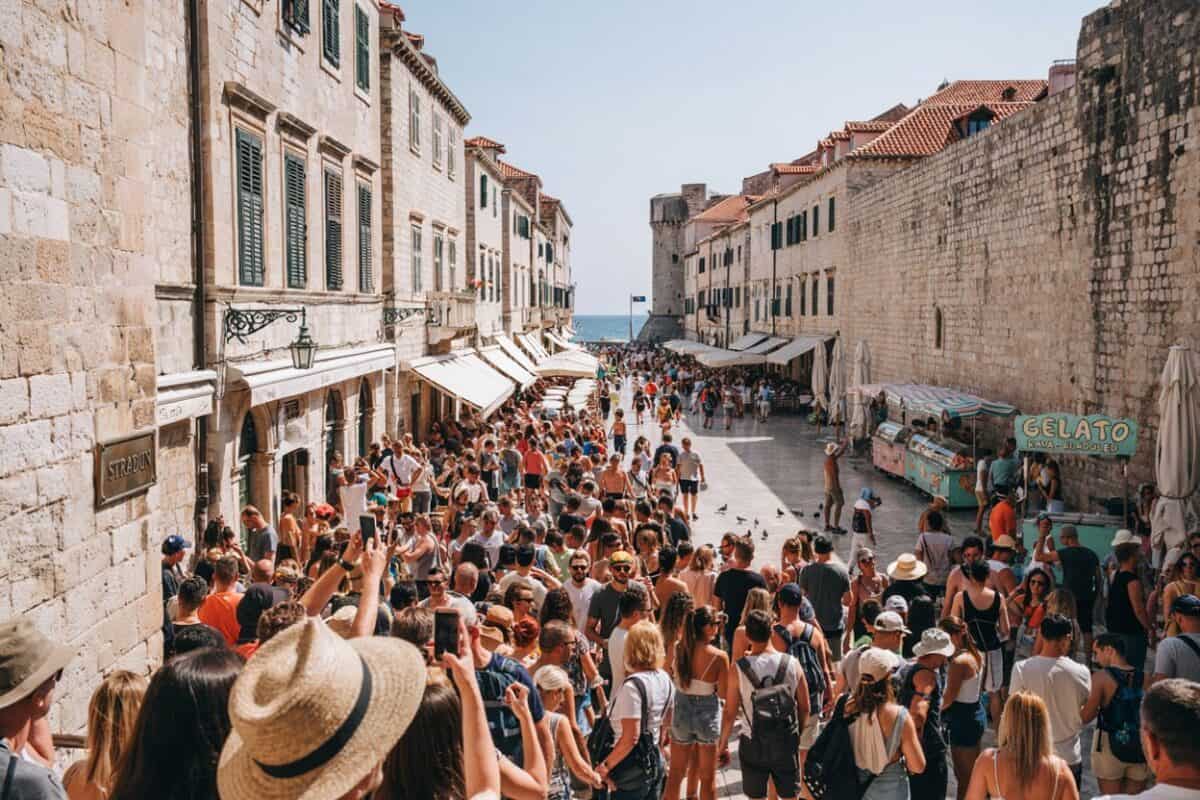
Image generated with Ai
Central and Eastern Europe (CEE) is reinforcing its position as one of the continent’s strongest tourism success stories, with new figures from UN Tourism showing the region continues to outperform many other European destinations in visitor recovery. Strong regional demand, improved transport links and growing interest in less crowded destinations have helped countries such as Croatia, Slovakia, Lithuania and Serbia record significant increases in tourist arrivals.
Rather than concentrating solely on Europe’s best-known capitals, many travellers are now exploring historic towns, national parks, coastal resorts and cultural destinations that offer authentic experiences, competitive prices and lower visitor density. This changing travel behaviour is helping distribute tourism more evenly across the region while creating new economic opportunities for local communities.
Tourism authorities across Central and Eastern Europe have also invested heavily in infrastructure, destination marketing and sustainable tourism initiatives, making the region increasingly attractive for both domestic and international visitors.
UN Tourism Highlights Strong Recovery Across Central and Eastern Europe
According to the latest UN Tourism World Tourism Barometer, Central and Eastern Europe remains one of Europe’s fastest-recovering tourism sub-regions. International arrivals across the region have continued growing as travellers increasingly favour destinations offering cultural heritage, nature experiences and value for money.
Advertisement
Advertisement
The recovery has been supported by several factors, including stronger regional travel within Europe, expanded airline connectivity, improved rail services and simplified travel procedures between neighbouring countries.
Advertisement
Advertisement
Industry analysts also note that shorter travel distances and competitive pricing have encouraged European residents to take more frequent holidays within the continent rather than choosing long-haul destinations.
This trend has strengthened tourism businesses across Central and Eastern Europe while reducing dependence on a limited number of international source markets.
Croatia Continues Expanding Beyond Traditional Coastal Tourism
Among the region’s strongest performers, Croatia continues attracting visitors with its Adriatic coastline, historic cities and island destinations.
Advertisement
Advertisement
While Dubrovnik remains one of Europe’s most recognised tourism destinations, travellers are increasingly exploring other Croatian regions including Split, Zadar, Šibenik, Istria and inland national parks.
Croatia has successfully diversified its tourism offering by promoting outdoor activities, gastronomy, sailing, wine tourism and cultural heritage alongside its internationally renowned beaches.
Advertisement
Advertisement
Government investment in transport infrastructure, marina development and sustainable tourism has further strengthened the country’s competitiveness.
Growing demand outside the peak summer season has also helped extend visitor activity throughout the year.
Slovakia Gains Attention for Nature and Heritage Tourism
Slovakia has experienced increasing visitor interest as travellers seek destinations offering mountain scenery, medieval towns and authentic cultural experiences.
The capital Bratislava remains an important gateway, attracting visitors with its historic old town, riverside location and proximity to neighbouring Austria and Hungary.
Beyond the capital, Slovakia’s High Tatras National Park, castles, caves and UNESCO World Heritage Sites continue drawing growing numbers of regional tourists.
Advertisement
Advertisement
Adventure tourism, hiking, winter sports and wellness holidays have also become increasingly important contributors to Slovakia’s tourism economy.
Improved road and rail connections with neighbouring countries have made Slovakia more accessible for short regional breaks.
Lithuania and Serbia Strengthen Their Tourism Appeal
Other Central and Eastern European destinations are also benefiting from changing travel preferences.
Lithuania continues attracting visitors interested in medieval architecture, Baltic heritage and cultural tourism.
Its capital, Vilnius, combines historic streets, museums and vibrant cultural life with convenient access to surrounding natural attractions.
Advertisement
Advertisement
Meanwhile, Serbia has strengthened its tourism profile through city breaks, festivals, river cruises and mountain tourism.
Belgrade remains the country’s primary tourism gateway, while destinations including Novi Sad, Tara National Park and Zlatibor continue attracting increasing numbers of domestic and regional visitors.
Both countries are expanding tourism infrastructure while promoting experiences that appeal to modern travellers seeking authentic local culture.
Travellers Look Beyond Europe’s Most Crowded Capitals
One of the strongest trends influencing European tourism is growing interest in destinations outside the continent’s busiest metropolitan areas.
Rather than limiting holidays to cities such as Paris, Rome or Amsterdam, many travellers are now exploring secondary cities and regional destinations that offer distinctive cultural experiences without heavy visitor congestion.
Advertisement
Advertisement
Historic towns, coastal villages, mountain landscapes and protected natural areas are becoming increasingly attractive alternatives.
This shift reflects broader consumer preferences for slower travel, authentic local experiences and opportunities to engage more closely with regional culture.
It also helps reduce pressure on Europe’s most heavily visited tourism centres while spreading visitor spending across wider geographic areas.
Regional Connectivity Supports Tourism Growth
Improved transport connectivity has played a central role in Central and Eastern Europe’s tourism expansion.
Budget airlines continue increasing direct services between European cities, while rail operators have expanded international connections across neighbouring countries.
Advertisement
Advertisement
Modern motorways and improved border infrastructure have also encouraged self-drive holidays and multi-country itineraries.
Travellers can now combine destinations across Croatia, Slovakia, Lithuania, Serbia and neighbouring countries more easily than ever before.
These developments support both leisure tourism and business travel while strengthening regional economic integration.
Sustainable Tourism Becomes a Regional Priority
Governments throughout Central and Eastern Europe are increasingly focusing on sustainable tourism development.
Authorities are investing in environmental conservation, heritage preservation and community-based tourism initiatives designed to balance visitor growth with long-term sustainability.
Advertisement
Advertisement
Many destinations are encouraging year-round tourism rather than concentrating visitor demand during peak seasons.
Eco-tourism, cycling routes, hiking trails and cultural festivals are also helping diversify tourism products while protecting natural and historic resources.
These strategies support both economic development and environmental stewardship.
Local Communities Benefit from Tourism Diversification
The expansion of tourism beyond traditional gateways has created new opportunities for regional economies.
Hotels, restaurants, guesthouses, transport providers, tour operators and small local businesses benefit directly from increased visitor spending.
Advertisement
Advertisement
Community tourism initiatives also encourage visitors to support local artisans, traditional food producers and family-owned accommodation providers.
This broader distribution of tourism revenue helps strengthen rural communities while reducing economic dependence on a small number of major destinations.
For many regions, tourism has become an important driver of employment and investment.
Positive Outlook for Central and Eastern European Tourism
Central and Eastern Europe is expected to remain one of Europe’s strongest-performing tourism regions as traveller preferences continue evolving.
Countries including Croatia, Slovakia, Lithuania and Serbia are well positioned to benefit from increasing demand for authentic experiences, cultural heritage, outdoor recreation and value-for-money holidays.
Advertisement
Advertisement
Continued investment in transport infrastructure, destination development and sustainable tourism will further strengthen the region’s international competitiveness.
As more visitors choose destinations beyond Europe’s traditional tourism capitals, cities such as Dubrovnik and Bratislava, together with many emerging regional destinations, are likely to attract even greater attention.
Supported by strong regional travel demand, improved accessibility and diverse tourism offerings, Central and Eastern Europe is establishing itself as one of the continent’s most dynamic travel regions. The latest UN Tourism data highlights not only a strong recovery in visitor arrivals but also a lasting transformation in travel behaviour, with more tourists seeking meaningful, less crowded and culturally rich experiences across one of Europe’s fastest-growing tourism markets.
Advertisement
