
Ghana is Planning a New Cultural Tourism Centre in Paga to Draw More Caribbean Visitors and Share Heritage

Updated
Published
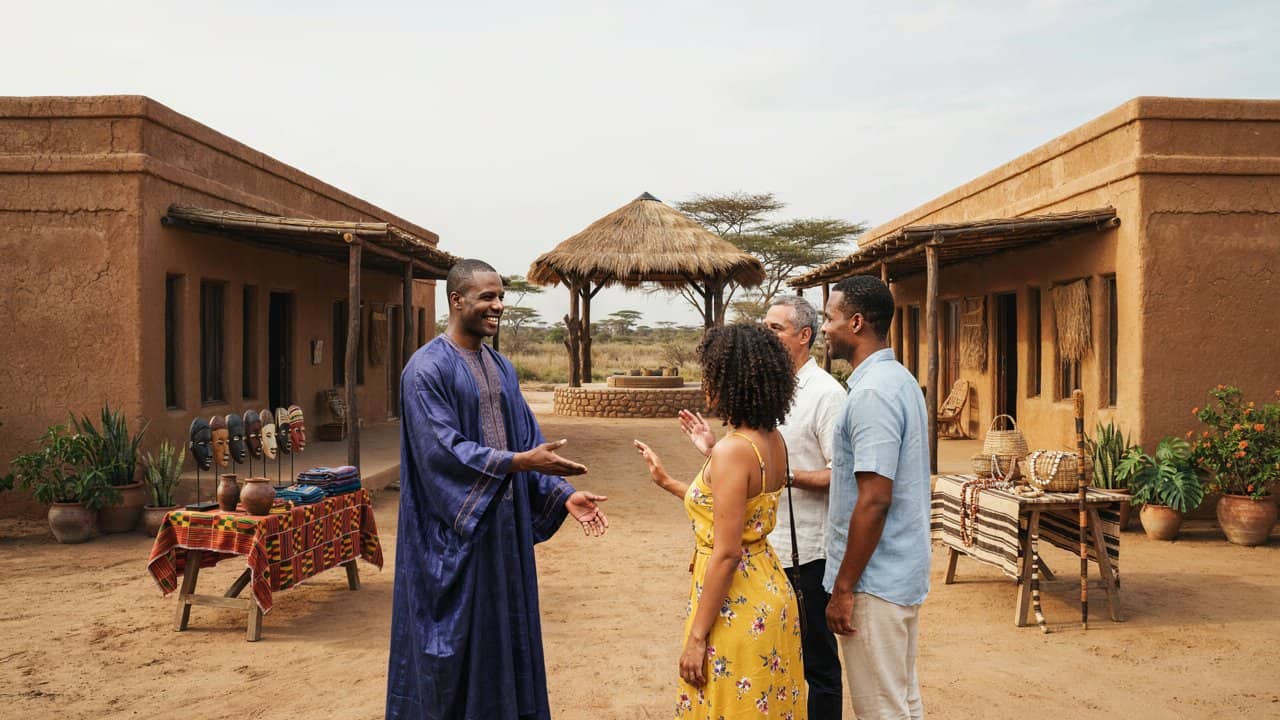
Paga’s reported heritage centre proposal has raised questions about what Caribbean visitors can expect in northern Ghana. As of 22 October 2026, official sources confirm existing attractions and cultural events, but do not independently confirm the proposed Tourism Centre in Paga. Its funding, construction programme and opening date remain unverified. For travellers, the immediate issue is distinguishing established Cultural Tourism experiences from facilities still described as plans. For local businesses, the question is whether future visits will translate into paid work. This report examines the evidence, national tourism figures, entry rules and practical considerations affecting a visit.
Cultural Tourism Evidence and the Story’s Main Focus
The strongest official evidence concerns Paga’s existing heritage offer, recent commemorations and the wider tourism market. The table assigns each subject a share of this report’s focus. These percentages are an editorial assessment, total 100%, and are not official statistics or forecasts of economic impact.
| News Component | Share of Story | Officially Verified Finding | Relevance to Travellers | Official Source Link |
|---|---|---|---|---|
| Heritage attractions | 25% | Pikworo, crocodile pools and village experiences feature in official destination information. | Establishes existing visitor experiences. | Official tourism guide Visit Ghana |
| Community events | 15% | An August 2026 district publication records Emancipation Day activities at Pikworo. | Confirms organised heritage engagement. | District as\sembly record Kassena Nankana West District Assembly |
| National tourism | 20% | Ghana recorded 1,306,962 international arrivals in 2025. | Provides national demand context. | Government tourism figures Information Services Department |
| Local enterprise | 15% | Regional development research supports combining site improvements with business finance and training. | Explains conditions for community benefits. | International development research worldbank.org |
| Entry eligibility | 10% | Jamaica appears in Ghana’s waiver table with a 90-day duration. | Eligible passport holders have an existing concession. | Official visa waiver table Ministry of Foreign Affairs |
| Border safety | 15% | Canada advises against non-essential travel within 25 kilometres of Burkina Faso’s border. | Relevant to northern Ghana itineraries. | Government travel advice travel.gc.ca |
Together, these findings establish a destination with existing attractions and practical travel constraints. They do not verify a new centre, additional bookings or employment gains. The project therefore remains a reported proposal within an established tourism setting, rather than evidence that new visitor facilities have opened.
Existing Heritage Meets an Unconfirmed Centre Proposal
Pikworo Slave Camp connects Paga with the history of enslaved people transported towards Salaga. Official destination information identifies rock carvings, a punishment rock, a lookout post and a burial ground. It also describes village tours, traditional drumming, dancing and sacred crocodile pools. These attractions give Cultural Tourism an existing foundation. A district publication dated 1 August 2026 records guided tours, historical presentations and performances during an Emancipation Day commemoration. Community groups, young people and diaspora participants joined the programme, demonstrating activity that predates the latest proposal.
Advertisement
Advertisement
The reported Tourism Centre in Paga would combine a physical heritage space with digital records of history, artefacts and traditions. The supplied account also outlines a museum, recreation, business and hospitality training, and investment ambitions involving agriculture and entertainment. However, these components lack independent official confirmation. The reported March 2027 aim concerns arrivals from Jamaica, the wider Caribbean and Rastafarian communities. It is not a confirmed opening date. No verified investment total, construction timetable, visitor forecast or quantified employment target establishes the proposal’s scale.
National Growth Does Not Establish Local Demand
Government figures published on 10 August 2026 show Ghana’s international arrivals increased from 1,288,804 in 2024 to 1,306,962 in 2025. The difference is 18,158 arrivals, equivalent to approximately 1.41% growth, calculated from those totals. Estimated international tourism revenue reached US$4.34 billion in 2025. Domestic visits rose from 1.68 million to 1.79 million over the same period. These are national measurements. They provide context for Cultural Tourism, but do not identify how many visitors travelled to Paga or bought local services.
Advertisement
Advertisement
The same government release records an increase in licensed tourism enterprises, from 6,702 in 2024 to 7,109 in 2025. That represents reported growth of 6.1%. Travel trade enterprises increased from 678 to 804, a rise of 18.6%. This shows expansion in the wider tourism business sector, rather than a measured response to the centre proposal. A local assessment would require Paga visitor counts, overnight stays, spending and business income. Those measures are absent from the project information reviewed, leaving its potential commercial contribution unquantified.
Cultural Tourism Needs Local Businesses to Share the Benefits
International development research published in June 2026 identifies a practical lesson across West African destinations. Improvements to attractions work best alongside access to finance, skills training and service standards. Its findings support assessing an entire destination, including the businesses serving visitors. Applied to Paga, this suggests that Cultural Tourism planning should consider guides, food providers, accommodation, transport and crafts together. This is an analytical application of regional findings, not evidence that the proposed centre has secured support or created jobs.
The business case for the Tourism Centre in Paga therefore depends on more than a building or digital display. Residents would need workable opportunities to supply services, acquire skills and receive payment. Training ambitions remain difficult to assess without confirmed dates, participant numbers, delivery arrangements or funding. Hotels and guides would also need reliable group sizes and itineraries to judge demand. No reviewed official evidence links the proposal to higher occupancy, increased visitor spending or new transport capacity. Those outcomes should remain questions for future evaluation.
Check Entry Rules and Border Advice Before Booking
Ghana’s official waiver table, updated on 8 September 2026, lists Jamaican ordinary, service and diplomatic passports with a 90-day duration. This existing arrangement should not be presented as a benefit created by the proposal. Travellers from other Caribbean countries must check their own eligibility. Safety also requires attention: Paga lies near Burkina Faso, and Canada advises against non-essential travel within 25 kilometres of that border. The stated concerns include intercommunal disputes and terrorist activity. Relevant practical checks are:
- Entry: Confirm requirements for your nationality and passport category through Ghana’s official guidance.
- Safety: Read current government advice for Paga and the intended overland route.
- Transport: Canadian guidance recommends limiting intercity travel to daytime hours.
- Insurance: Check whether cover applies to destinations subject to government travel warnings.
- Availability: Obtain confirmed details before booking a programme involving the proposed centre.
Entry eligibility does not establish that a destination is suitable for every itinerary. Nor does the proposal change the advice applying to border areas. Travellers should base decisions on current guidance and confirmed services, while treating the reported arrival target as provisional. These checks matter especially when a travel package combines confirmed heritage visits with facilities awaiting official clarification, particularly for organised diaspora groups.
What Comes Next for Paga’s Heritage Travel Plans
No official opening date, funding commitment or construction deadline emerged from the sources reviewed. The next useful information would establish delivery responsibility, financing, the site and operating arrangements. These are unresolved questions, not announced milestones. An official programme would also clarify whether the reported March 2027 visitor ambition involves existing attractions, new facilities or both. Until then, there is no verified timetable for travellers or businesses to follow.
The Tourism Centre in Paga remains a reported ambition alongside documented heritage attractions and community events. Ghana’s visitor figures show national growth, while existing entry arrangements provide context for Caribbean travel. Neither establishes demand for the proposed facility. Cultural Tourism could benefit local businesses if a project proceeds with funded services and meaningful community participation. Its scale and delivery remain unresolved. Travellers should distinguish established experiences from proposed additions, consider border advice and confirm arrangements before booking. The next assessment must rest on official project details, with clear dates and responsibilities, rather than promises of visitor growth or new employment.
Advertisement
