
Switzerland Along With United States, Qatar And More Among One Hundred Ten Visa Free Travel Countries Boosting South Korea Tourism

Updated
Published
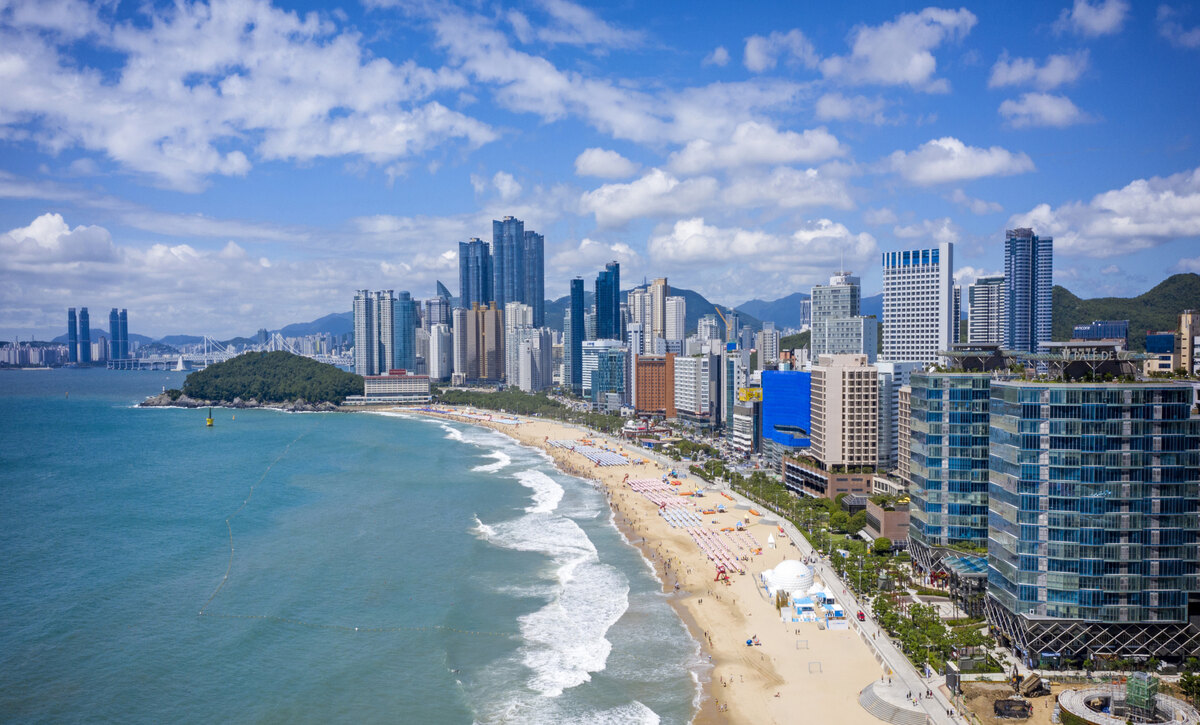
South Korea is currently offering visa-free travel to One Hundred Ten countries as of October 2026, including Switzerland, United States and Qatar to make international travel easier. The country is situated in East Asia, occupying the southern part of the Korean Peninsula. With Seoul as the capital, South Korea is bisected by the Korean Demilitarized Zone by North Korea. With beautiful modern cities, and varied landscapes, South Korea offers its visitors a range of experiences from the modern to the traditional.
South Korea Tourism Surges as International Arrivals and Visitor Spending Reach New Highs:
South Korea’s international tourism sector recorded strong growth in 2026, with 15.05 million foreign visitors arriving between January and August, representing a 21.6% increase year on year. August was particularly strong, attracting around 2.25 million international visitors, the highest monthly level recorded in three decades. Tourism-related foreign card spending also climbed sharply, reaching approximately KRW 14.02 trillion during the first eight months of the year, an increase of 48.5% compared with the same period in 2025. Travel patterns also showed greater movement beyond Seoul, as 27.8% of international entries were recorded through regional airports and ports, highlighting the growing importance of destinations across South Korea in the country’s tourism recovery and expansion.
South Korea Strengthens Its Global Economic Position with US$1.93 Trillion GDP:
South Korea remains one of Asia’s major economies, with its nominal GDP estimated at around US$1.93 trillion in 2026. The country continues to rely heavily on exports and advanced industries, with semiconductors, technology and rising demand linked to artificial intelligence supporting economic activity. GDP per capita is estimated at approximately US$37,412, while private consumption has also shown signs of recovery. South Korea’s economic strength is closely connected to its globally competitive manufacturing and technology sectors, although its growth outlook continues to depend on international trade conditions, domestic demand and wider global economic developments.
South Korea Strengthens Global Tourism as Visa-Free Access Expands Travel to 110 Countries:
| S.No. | Country | S.No. | Country | S.No. | Country | S.No. | Country |
|---|---|---|---|---|---|---|---|
| 1 | Japan | 29 | Croatia | 57 | Micronesia | 85 | Saudi Arabia |
| 2 | Andorra | 30 | Slovakia | 58 | Mauritius | 86 | Suriname |
| 3 | Sweden | 31 | Slovenia | 59 | Seychelles | 87 | Ecuador |
| 4 | Belgium | 32 | Latvia | 60 | Serbia | 88 | Kazakhstan |
| 5 | Denmark | 33 | Estonia | 61 | Grenada | 89 | Samoa |
| 6 | Finland | 34 | San Marino | 62 | Montenegro | 90 | Trinidad and Tobago |
| 7 | France | 35 | Australia | 63 | Antigua and Barbuda | 91 | Venezuela |
| 8 | Germany | 36 | Canada | 64 | Hong Kong | 92 | Kuwait |
| 9 | Italy | 37 | Brunei | 65 | Albania | 93 | Bahrain |
| 10 | Luxembourg | 38 | Taiwan | 66 | Dominica | 94 | Nicaragua |
| 11 | Netherlands | 39 | Czechia | 67 | Bosnia and Herzegovina | 95 | St. Lucia |
| 12 | Norway | 40 | Lithuania | 68 | Solomon Islands | 96 | Fiji |
| 13 | Spain | 41 | United States | 69 | Tonga | 97 | Tuvalu |
| 14 | Switzerland | 42 | Qatar | 70 | Macao | 98 | Kiribati |
| 15 | Singapore | 43 | Israel | 71 | Panama | 99 | Türkiye |
| 16 | Ireland | 44 | United Arab Emirates | 72 | Paraguay | 100 | Dominican Republic |
| 17 | Malta | 45 | Bulgaria | 73 | Costa Rica | 101 | Guyana |
| 18 | United Kingdom | 46 | Romania | 74 | Mexico | 102 | Jamaica |
| 19 | Austria | 47 | Malaysia | 75 | Vatican City | 103 | South Africa |
| 20 | Greece | 48 | Cyprus | 76 | Guatemala | 104 | Tunisia |
| 21 | Portugal | 49 | Argentina | 77 | St. Vincent and the Grenadines | 105 | Morocco |
| 22 | New Zealand | 50 | Barbados | 78 | Russian Federation | 106 | Botswana |
| 23 | Iceland | 51 | Uruguay | 79 | St. Kitts and Nevis | 107 | Lesotho |
| 24 | Liechtenstein | 52 | Brazil | 80 | El Salvador | 108 | Nauru |
| 25 | Monaco | 53 | The Bahamas | 81 | Thailand | 109 | Haiti |
| 26 | Chile | 54 | Palau Islands | 82 | Honduras | 110 | Eswatini |
| 27 | Hungary | 55 | Peru | 83 | Colombia | ||
| 28 | Poland | 56 | Marshall Islands | 84 | Oman |
TTW Founder and Editor-in-Chief, Mr. Anup Kumar Keshan, Says: “South Korea’s growing tourism appeal, supported by easier visa-free travel access involving 110 countries as of October 2026, including Switzerland, the United States, Qatar and other key international markets, highlights the importance of seamless global mobility in encouraging international travel. Easier entry opportunities can inspire more visitors to discover South Korea’s historic landmarks, vibrant cities, cultural heritage, distinctive landscapes and diverse regional destinations. Stronger international connectivity can also create opportunities for tourism businesses, hospitality providers, local communities and the wider travel sector while supporting leisure, luxury, cultural and experience-led tourism. With Seoul serving as a major international gateway and the country offering a compelling blend of tradition and modernity, South Korea continues to strengthen its visibility and appeal among travellers worldwide.”
Advertisement
Advertisement
South Korea’s Top Five Busiest Airports:

- Incheon International Airport (ICN) – 74.07 million passengers: Incheon International Airport is South Korea’s largest and most important international aviation gateway, serving Seoul and the wider metropolitan region. The airport handled approximately 74.07 million passengers in 2025. Its extensive international network connects South Korea with major destinations across Asia, Europe, North America, the Middle East and other global markets. Incheon plays a particularly important role in inbound tourism, international business travel and connecting passenger traffic, while providing convenient access to Seoul and other parts of the country.
- Jeju International Airport (CJU) – Around 30 million passengers: Jeju International Airport serves Jeju Island, one of South Korea’s most prominent leisure and holiday destinations. Handling around 30 million passengers in 2025, the airport benefits from particularly strong domestic travel demand between Jeju and major mainland cities. It also accommodates international services linking the island with overseas markets. The airport is essential to Jeju’s tourism economy, providing visitors with direct access to the island’s volcanic landscapes, beaches, cultural attractions and nature-based experiences.
- Gimpo International Airport (GMP) – Around 25 million passengers: Gimpo International Airport is another major aviation gateway serving Seoul and the surrounding metropolitan area, with approximately 25 million passengers handled in 2025. While Incheon dominates South Korea’s long-haul international market, Gimpo remains particularly important for domestic connectivity and selected short-haul international services. Its proximity to central Seoul makes the airport convenient for travellers, while frequent domestic connections provide access to destinations such as Jeju and Busan.
- Gimhae International Airport (PUS) – Around 17 million passengers: Gimhae International Airport is the main airport serving Busan, South Korea’s second-largest city, and the wider southeastern region. The airport handled approximately 17 million passengers in 2025, supported by a combination of domestic and international traffic. It provides an important entry point for travellers visiting Busan and nearby destinations, giving access to the region’s beaches, cultural attractions, shopping districts, events and coastal tourism experiences. Its international connections also strengthen Busan’s position as an important tourism and business destination.
- Cheongju International Airport (CJJ) – Around 4.5 million passengers: Cheongju International Airport serves Cheongju and the central regions of South Korea, handling approximately 4.5 million passengers in 2025. Although smaller than Incheon, Jeju, Gimpo and Gimhae, the airport contributes to South Korea’s expanding regional aviation network through domestic and international services. Its location provides another gateway for travellers seeking destinations beyond the country’s largest metropolitan centres and supports efforts to distribute tourism activity more widely across South Korea.
Five Major Airlines in South Korea

- Korean Air: Korean Air is South Korea’s largest full-service airline and one of the country’s most important international aviation brands. Based in Seoul, the carrier operates domestic and international services connecting South Korea with destinations across Asia, Europe, North America and other global regions. Its extensive network supports inbound tourism, outbound travel, business journeys and international connectivity through the Seoul metropolitan area.
- Asiana Airlines: Asiana Airlines has historically been one of South Korea’s principal full-service international carriers, connecting the country with destinations throughout Asia and major long-haul international markets. Following Korean Air’s acquisition of Asiana, the carrier is moving through an integration process that is reshaping South Korea’s aviation sector. Until that integration is completed, Asiana continues to be an important name within the country’s passenger aviation market.
- Jeju Air: Jeju Air is one of South Korea’s prominent low-cost carriers, serving domestic routes as well as numerous international destinations. The airline has played an important role in making regional travel more accessible, particularly between South Korea and destinations across Japan, Southeast Asia and other parts of Asia. Its services also contribute to tourism flows through Seoul, Jeju and other regional gateways.
- T’way Air: T’way Air is a South Korean low-cost carrier that has expanded beyond its traditional domestic and short-haul Asian network. The airline operates services connecting South Korea with numerous regional destinations while also developing longer-haul international connectivity. Its expanding network gives travellers additional options for reaching South Korea and supports the diversification of the country’s international aviation market.
- Air Busan: Air Busan is a South Korean carrier with a particularly strong presence in Busan and the southeastern region of the country. It operates domestic and international services linking Busan and other Korean gateways with destinations across Asia. The airline plays an important role in supporting regional tourism by providing international visitors with alternatives to travelling through the Seoul metropolitan area.
Five Major Luxury Hotels in South Korea:

- The Shilla Seoul: Located in central Seoul, The Shilla Seoul is one of South Korea’s established luxury hotels. The property combines contemporary hospitality with elements inspired by Korean culture and provides premium accommodation, restaurants, wellness facilities and spaces for meetings, weddings and major events. Its location also gives international visitors convenient access to Seoul’s shopping, cultural and business districts.
- SIGNIEL Seoul: Situated within the Lotte World Tower in Seoul’s Songpa District, SIGNIEL Seoul occupies some of the upper floors of one of South Korea’s most recognisable skyscrapers. The luxury hotel is known for panoramic city views, premium rooms and suites, fine dining and upscale guest services. Its location near major shopping and entertainment attractions makes it particularly relevant to luxury leisure and business tourism.
- Josun Palace, a Luxury Collection Hotel, Seoul Gangnam: Located in the Gangnam area, Josun Palace combines South Korean hospitality heritage with contemporary luxury accommodation. The property offers premium rooms and suites, restaurants, wellness facilities and event spaces. Its position in one of Seoul’s major commercial and lifestyle districts provides convenient access for business travellers, luxury tourists and visitors interested in shopping, dining and entertainment.
- Park Hyatt Seoul: Positioned in Seoul’s Gangnam District, Park Hyatt Seoul caters to luxury leisure and corporate travellers seeking accommodation close to one of the capital’s most important business areas. The hotel features spacious guestrooms, restaurants, wellness facilities and city views. Its location near major commercial, convention, shopping and entertainment areas strengthens its appeal among international business and premium leisure visitors.
- JW Marriott Hotel Seoul: Located in Seocho District, JW Marriott Hotel Seoul is a major luxury property offering premium accommodation, restaurants, wellness and fitness facilities, and extensive meeting and event spaces. The hotel’s position within Seoul’s wider Gangnam area provides access to shopping, business districts and transport connections, making it suitable for luxury tourists, corporate travellers and international event participants.
South Korea City Guide:

South Korea offers travellers a fascinating combination of ancient heritage, modern cities, natural beauty and vibrant culture. From Seoul’s lively nightlife, shopping districts and historic palaces to the dramatic mountain scenery of Seoraksan National Park, the country provides a wide variety of travel experiences. Visitors can discover traditional villages, peaceful temples, colourful markets, scenic coastlines and beautiful national parks. With more than 5,000 years of history and cultural heritage, South Korea brings centuries-old traditions together with modern technology, entertainment and contemporary lifestyles. From Jeju Island and Busan to the energetic streets of Seoul, the country offers memorable experiences for cultural explorers, nature lovers, food enthusiasts and city travellers.
Top Five Must-Visit Tourist Attractions in South Korea
- Bongeunsa Temple: Located in Seoul’s modern Gangnam district, Bongeunsa Temple provides a peaceful contrast to the surrounding skyscrapers and busy streets. Founded in 794, the historic Buddhist temple features traditional halls, Buddhist artwork and tranquil grounds. Major highlights include the 23-metre-high Maitreya Buddha statue, Jinyeomun or the Gate of Truth and the historic Panjeon hall. Visitors can also experience aspects of Korean Buddhist culture through meditation, tea ceremonies and temple programmes.
- Bukhansan National Park: Covering nearly 80 square kilometres, Bukhansan National Park is one of Seoul’s major destinations for hiking, climbing and nature tourism. The park features dramatic granite peaks, forest trails, streams, temples and panoramic viewpoints. Baegundae, rising approximately 836 metres, is its highest peak, while the Dobongsan area provides additional challenging hiking routes. Its proximity to Seoul makes the park easily accessible for travellers seeking outdoor experiences.
- Changgyeonggung Palace: One of Seoul’s five major royal palaces, Changgyeonggung offers visitors an insight into the architecture and royal heritage of the Joseon period. Originally established during the 15th century, the complex includes historic halls, landscaped gardens and traditional stone structures. Important attractions include Myeongjeongjeon, the main throne hall, the Okcheongyo Bridge dating from 1483, and the historic Great Greenhouse.
- Deoksugung Palace: Located in central Seoul, Deoksugung is distinguished by its mixture of traditional Korean and Western-inspired architecture. The palace played an important role during the later period of Korea’s monarchy. Visitors can explore the main throne hall Junghwajeon, landscaped gardens, historic royal residences and Seokjojeon, a grand neoclassical building that now houses a museum devoted to the Korean Empire.
- Hwaseong Fortress: Located in Suwon, Hwaseong Fortress is a UNESCO World Heritage attraction completed in 1796. Its restored fortification walls extend for approximately 5.7 kilometres around the historic part of the city and across Paldalsan hill. Visitors can explore impressive gates, command posts, observation towers, pavilions and defensive structures while enjoying panoramic views of Suwon. Major landmarks include Paldalmun, Janganmun, Hwahongmun and the Western Command Post.
Advertisement
