
Trinidad And Tobago Unbelievable Economic Shift Proves Island Travel Is Saving Growth As Energy Needs A Push, All You Need To Know

Published
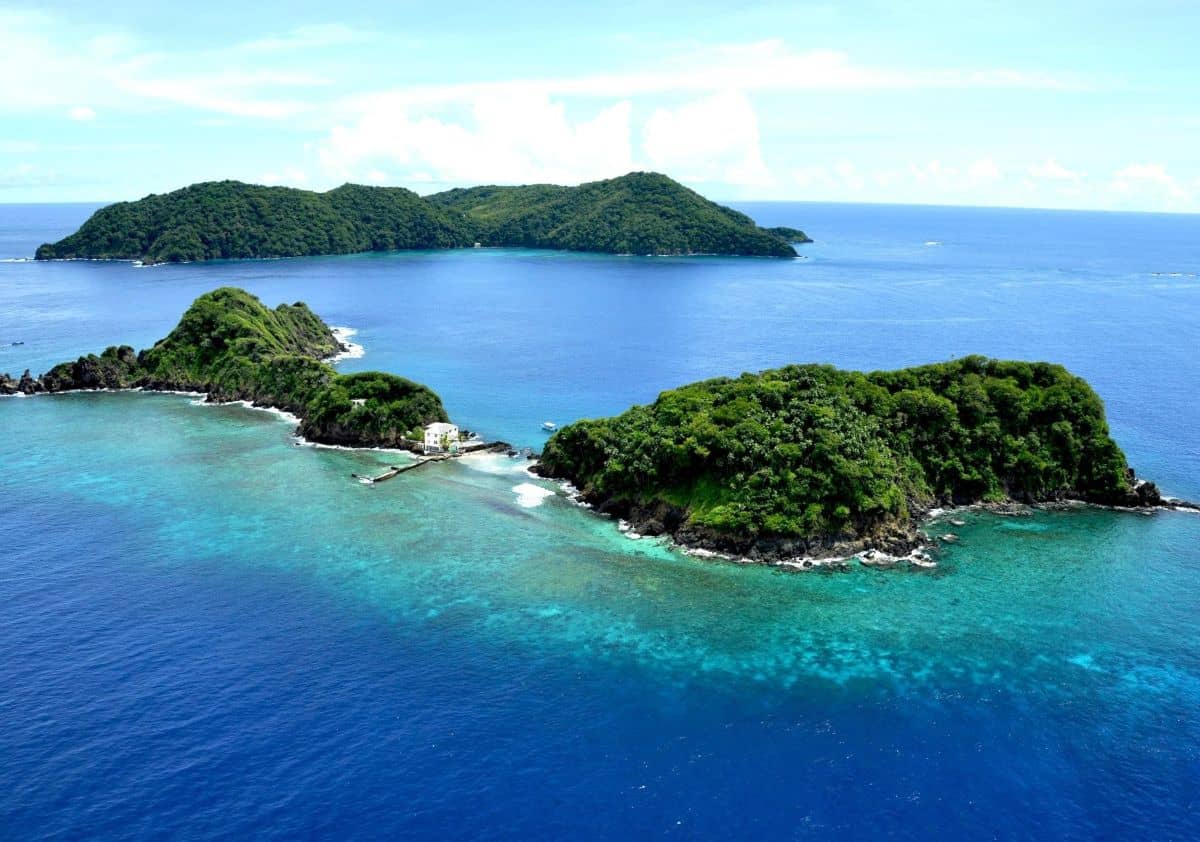
Image Credit visittobago.gov.tt
Imagine the beautiful landscapes of Point Fortin and the sunsets in Tobago. That’s just a small part of the beauty of Trinidad and Tobago and the many economic problems it has. There used to be plenty of offshore oil fields that helped this country develop and grow. Unfortunately, the oil fields have dried up. These types of industries run on natural energy sources. All of these things will run out and the economy will come to a halt. Although there was a 0.8% growth in 2025, this will eventually end. The streets of Chaguanas and Port of Spain are as busy as ever before, as do the new businesses opened to sustain themselves as part of the Caribbean trade. The coastal resorts of Tobago have finally opened so that tourists can relax and spend their vacations there. Both islands have realized that their real strength is their people rather than their offshore resources.
How Did Trinidad and Tobago’s GDP Perform Overall During 2025?
The twin-island republic of Trinidad and Tobago navigated a sharp macroeconomic slowdown throughout 2025 as structural supply shocks impacted flagship industrial operations. Official metrics released by the Central Bank of Trinidad and Tobago confirm that real economic expansion cooled significantly from the 2.5% growth rate recorded during the previous annual period. This marked deceleration highlights how vulnerable domestic production remains to natural resource fluctuations and upstream raw material availability across the twin islands.
Advertisement
Advertisement
Despite the sharp drop in the real expansion rate, nominal economic volume held steady at USD $25.94 billion, equivalent to roughly TTD $176 billion. The nation maintained high living standards relative to Caribbean regional averages, delivering a nominal GDP per capita of USD $16,190.71 and a Purchasing Power Parity adjusted output of USD $31,721.58. Consumer price indices revealed headline inflation drifted upward to 2.2%, while public debt-to-GDP rose to 82.6%, prompting monetary policymakers at the Central Bank to keep the benchmark Repo rate fixed at 3.50%.
Why Did Upstream Gas Bottlenecks Pressure Energy Hubs in Point Lisas and Point Fortin?
Advertisement
Advertisement
The hydrocarbon extraction industry remains the fundamental driver of national export earnings and state revenue across Trinidad and Tobago, accounting for roughly 40% of real domestic output and over 80% of total merchandise export value. During 2025, legacy offshore gas fields experienced unavoidable geological declines, causing persistent feedstock deficits for downstream petrochemical complexes. Industrial plants in Point Lisas and processing facilities at Point Fortin operated below installed nameplate capacity, directly restricting national export volumes of ammonia, methanol, and Liquefied Natural Gas.
To counter these domestic field declines, energy executives and state officials accelerated high-stakes development projects across strategic deepwater blocks and cross-border maritime zones. Substantial capital expenditure was directed toward late-stage exploratory surveying and initial infrastructure deployment, most notably for the cross-border Dragon Gas Field partnership. These multi-year upstream projects served as a vital cushion against deeper structural collapse, guaranteeing future raw gas supply for industrial processing facilities until full commercial production can be realized.
Advertisement
Advertisement
How Did Non-Energy Sectors Anchor Stability in Port of Spain and San Fernando?
While the energy sector sputtered under natural resource deficits, Trinidad and Tobago’s non-energy economy served as the main stabilizing pillar throughout 2025. Commercial banking institutions, insurance providers, and broader financial entities expanded steadily, supported by resilient private sector borrowing and well-capitalized balance sheets. The Central Bank noted that commercial banking liquidity moderated to approximately TTD $3.5 billion as local businesses actively utilized available capital reserves to fund domestic operations and expand commercial credit lines.
Simultaneously, retail distribution, general manufacturing, and public construction projects delivered consistent non-energy momentum throughout major urban corridors like Port of Spain and San Fernando. State-sponsored civil engineering works, public road upgrades, and commercial real estate renovations maintained baseline employment levels, effectively compensating for sub-capacity operations at heavy industrial sites. Local manufacturers expanded market penetration across neighboring Caribbean states, demonstrating strong operational adaptability despite ongoing access restrictions to foreign currency.
What Impact Did Travel and Tourism Have Across Scarborough and Tobago?
Advertisement
Advertisement
Travel and tourism played a key role in supporting the service economy, acting as a crucial engine for economic diversification and non-energy growth. Tobago benefited directly from steady post-pandemic visitor arrivals, generating vital service-sector income across coastal hospitality networks, eco-tours, and boutique resort properties. Cruise ship calls at Port of Spain and Scarborough injected foreign currency directly into micro-enterprises, local transport providers, and cultural venues, driving vital informal employment across both islands. Additionally, seasonal surges surrounding Trinidad Carnival yielded high occupancy rates across hospitality sectors.
Despite these gains, the full economic footprint of travel and tourism faced clear structural limits across the twin-island nation. Transport bottlenecks, inter-island ferry scheduling limits, and regional airlift constraints capped overall expansion relative to Caribbean peers like Barbados or Jamaica. Infrastructure investments designed to upgrade terminal facilities and streamline air bridges were prioritized by transit authorities to resolve these operational bottlenecks, aiming to convert seasonal travel activity into long-term foreign currency earnings through expanded eco-tourism initiatives and heritage travel.
What Structural Challenges Threaten Economic Growth Across Trinidad and Tobago?
Foreign exchange availability remained one of the most critical structural challenges for local commercial operations throughout Trinidad and Tobago in 2025. Demand for foreign currency consistently exceeded domestic market supply, forcing the Central Bank to execute ongoing interventions to protect the exchange rate. Local importers and commercial buyers experienced waiting periods to access US dollar allocations, which constrained international inventory procurement and delayed non-energy supply chains across multiple sectors.
Fiscal consolidation represents another urgent national challenge, as public debt levels climbed to 82.6% of total economic output. Persistent government budget deficits required domestic bond issues and foreign loan drawdowns to fund ongoing state operations and public infrastructure projects. Economic planners emphasized the need to expand non-energy tax bases, implement modernized property tax structures, and optimize state utility subsidies to stabilize public debt trajectories while preserving vital social safety nets.
How Did the Central Bank of Trinidad and Tobago Manage Commercial Banking Liquidity and Interest Rate Spreads in 2025?
Advertisement
Advertisement
Monetary authorities across the twin-island nation executed a carefully calibrated strategy throughout 2025 to balance expanding domestic credit demand against ongoing capital flight pressures. By keeping the benchmark Repo policy rate fixed at 3.50%, the Central Bank of Trinidad and Tobago actively supported non-energy credit expansion without inflating borrowing costs for local businesses and private enterprises. Commercial bank excess reserves moderated significantly to approximately TTD $3.5 billion, declining from previous peak levels of TTD $7.35 billion as private sector credit uptake accelerated across commercial institutions.
This liquidity absorption reflected robust private sector borrowing activity, which expanded by 5.3% year-on-year to represent over 51% of total national output. Financial institutions maintained a weighted average lending rate of 6.65%, while average prime lending rates held firm at 7.57% across urban commercial corridors. However, weighted average deposit rates remained subdued at 0.77%, highlighting a persistent interest rate spread that cushioned commercial bank profitability while domestic liquidity continued to support local credit channels across Port of Spain and regional commercial centers.
What Role Did the Heritage and Stabilisation Fund and Net International Reserves Play in Cushioning National Liquidity?
Sovereign balance sheet assets provided a vital cushion against broader economic volatility, reinforcing financial stability even as foreign cash reserves faced ongoing depletion. Gross official reserves adjusted downward to USD $5.37 billion, down from USD $5.60 billion in prior cycles, providing approximately 6.1 months of prospective import cover for domestic commercial buyers. Despite this drawdown, Trinidad and Tobago maintained a solid balance of payments position, recording a current account surplus equivalent to 3.1% of national output, driven primarily by resilient international petrochemical price realizations.
Concurrently, the Heritage and Stabilisation Fund served as the bedrock of fiscal resilience, with total managed sovereign assets holding between USD $5.8 billion and USD $6.0 billion, representing roughly 24.5% of total gross domestic product. These substantial sovereign wealth reserves insulated the domestic banking framework from broader regional shocks and protected external credit ratings. Furthermore, external public debt was maintained at 21.1% of overall economic volume, ensuring that international debt-service ratios remained fully manageable for public finance managers.
How Did Expanding Fiscal Deficits and Public Expenditure Trends Shape National Budget Performance?
Advertisement
Advertisement
National fiscal operations faced pronounced structural pressures as public sector expenditures continuously outpaced non-energy tax collections throughout the fiscal period. Central government operations closed with an overall deficit of 5.5% of gross domestic product, representing a financial shortfall of approximately TTD $9.67 billion. The non-energy primary deficit widened significantly to 15.0% of non-energy output, underscoring the central government’s reliance on upstream hydrocarbon receipts to fund recurring public administration expenses.
Public revenue streams highlighted a continuing division between energy and non-energy contributions across the state ledger. Hydrocarbon activities generated 9.9% of GDP in direct state revenues, whereas non-energy taxes, customs duties, and corporate assessments generated 17.0% of GDP. To sustain domestic employment and upgrade urban connectivity, state authorities directed capital expenditure to 2.1% of GDP, allocating roughly TTD $3.8 billion toward civil infrastructure, road repairs, and public real estate renovations across major municipalities.
How Stable Was the National Labour Market Across Key Economic Hubs Like Port of Spain, Chaguanas, and San Fernando?
Despite broader macroeconomic deceleration, the national labor market demonstrated remarkable structural resilience across urban centers including Port of Spain, Chaguanas, and San Fernando. Official metrics placed the national unemployment rate between 4.5% and 4.9%, marking a notable improvement from the 5.4% unemployment recorded during earlier post-pandemic realignment periods. Employment stability was largely sustained by commercial expansion in service-oriented industries, retail networks, and public infrastructure works across commercial districts.
The labor force composition further revealed a stark structural divide between economic output and workforce distribution across the twin islands. While the energy extraction sector generated approximately 40% of real domestic output, it directly employed roughly 5.0% of the active national workforce. Conversely, retail commercial networks, financial services, and administrative sectors absorbed over 65% of the active labor force. To support household purchasing power amidst rising import costs, public sector wage settlements targeted 10% baseline salary adjustments across civil service departments.
What Impact Did Geological Marine Declines Have on Point Lisas Ammonia, Methanol, and LNG Processing Capacity?
Advertisement
Advertisement
Legacy marine fields experienced accelerating natural depletion, resulting in acute feedstock shortages across key downstream processing complexes. Natural gas benchmark pricing Henry Hub averaged US $4.15 per MMBtu, rising from US $2.13 per MMBtu in previous cycles, while West Texas Intermediate crude oil benchmarks traded between US $68.30 and US $71.84 per barrel. Despite favorable international pricing, raw gas supply shortages constrained total production across processing facilities at the Point Lisas Industrial Estate and liquefaction plants in Point Fortin.
These feedstock deficits forced downstream petrochemical and Liquefied Natural Gas facilities to operate at reduced capacity utilization rates ranging between 65% and 75% of nameplate potential. This persistent gas curtailment directly reduced export volumes of ammonia, methanol, and liquefied natural gas, impacting central government tax receipts. Nevertheless, energy commodity shipments continued to form the core of foreign trade, accounting for 34% of real domestic output and comprising over 80% of total merchandise export value.
Which Upstream Deepwater and Cross-Border Gas Projects Are Scheduled to Restore Production Capacity?
To arrest long-term natural field declines and restore nameplate output at Point Lisas, state officials and energy multinationals accelerated major offshore development initiatives. The flagship cross-border Dragon Gas Field partnership, executed alongside international partners and regional stakeholders, targeted the development of 4.0 Trillion Cubic Feet of proven natural gas reserves. This strategic cross-border venture represents a cornerstone effort to supply natural gas directly into existing domestic industrial infrastructure.
Simultaneously, near-term offshore projects including the Cypre and Mento marine developments were advanced to deliver an additional 250 to 350 Million Standard Cubic Feet per Day into the domestic gas grid. Further medium-term production capacity is anchored by the cross-border Manakin-Cocuina field, which holds an estimated 1.5 Trillion Cubic Feet of natural gas reserves. To unlock entirely new hydrocarbon provinces, international energy consortia were awarded exploratory licenses across deepwater blocks situated in ocean depths exceeding 1,000 meters.
How Did State-Led Civil Works and CARICOM Export Manufacturing Drive Non-Energy Momentum?
Advertisement
Advertisement
The non-energy economy provided crucial momentum, offsetting upstream industrial declines through state-backed construction initiatives and expanded regional trade. General manufacturing contributed roughly 6.0% of total GDP, led primarily by food processing, beverage production, and industrial chemical packaging firms located across island commercial zones. Local manufacturers successfully expanded their commercial footprint across neighboring Caribbean states, achieving an 8.5% year-on-year expansion in CARICOM merchandise export sales.
Concurrently, the domestic construction sector contributed 5.5% to total gross domestic product, benefiting from public civil engineering programs executed under the National Revitalization Blueprint. State infrastructure funding was deployed to upgrade major transportation arteries, rebuild municipal drainage systems, and restore public facilities across urban centers. These construction projects maintained baseline employment levels, stimulated private supplier contracts, and insulated the wider non-energy economy from an overall contraction throughout the year.
What Was the Specific Economic Footprint of Tourism, Cruise Arrivals, and Inter-Island Transit Infrastructure in Tobago?
Travel, hospitality, and seasonal cultural activities generated vital non-energy service revenues, making up approximately 7.5% of total national gross domestic product when accounting for indirect service contributions. Tobago served as the primary beneficiary of stayover tourism, where coastal resort properties and eco-tourism operations recorded peak-season hotel occupancy rates ranging from 70% to 82%. Additionally, the seasonal influx surrounding Trinidad Carnival delivered an 8.5% year-on-year increase in international visitor arrivals, generating localized foreign currency inflows across hospitality, transport, and creative sectors.
Maritime travel infrastructure further boosted local service activities, as ports in Scarborough and Port of Spain welcomed over 120,000 cruise line passengers during the winter season. These cruise visits provided direct revenue to micro-enterprises, tour operators, transit providers, and cultural venues across both islands. However, the travel sector encountered operational limits due to inter-island ferry scheduling bottlenecks and regional airlift constraints, prompting transit authorities to prioritize terminal facility upgrades to maximize future foreign exchange earnings.
The Final Verdict
Advertisement
Advertisement
Beyond graphs and lists, there are real-life individuals and their stories. The owners of small Chaguanas businesses, the Tobago tour guides, and young professionals of Port of Spain, illustrate the heart of Trinidad and Tobago. Beyond financial numbers and GDP growth and oil gas production, there are some incredible, albeit simple, stories waiting to be told. Trinidad and Tobago has something much greater than petroleum and natural gas beneath the sea. As difficult as it is to deal with the 0.8% GDP Growth Rate economic slump, it takes a lot of smart innovative policies, grit and Gelato.
The end result is progression towards the goal of a more diversified and resilient economy that benefits everyone. As other growing industries come to Trinidad and Tobago, especially deepwater energy, with other related infrastructure, other projects will come to fill the void. This new era of Trinidad and Tobago will remain resilient and full of hope, despite the worse of economic circumstances.
Frequently Asked Questions
What was Trinidad and Tobago’s real GDP growth rate in 2025?
Real GDP growth moderated to 0.8% in 2025, slowing down from 2.5% in the previous year due to upstream energy constraints.
Why did the domestic energy sector slow down during 2025?
Advertisement
Advertisement
Geological production declines in mature marine natural gas fields created feedstock shortages for downstream industrial plants.
How did the non-energy sector support the national economy?
Financial services, construction, manufacturing, and tourism delivered steady growth, offsetting energy contractions.
What was Trinidad and Tobago’s inflation rate during 2025?
Headline inflation rose slightly to 2.2%, remaining well-anchored and manageable across consumer markets.
What is the status of public debt in Trinidad and Tobago?
General government public debt reached 82.6% of GDP due to persistent fiscal deficits and state borrowing.
Advertisement
