
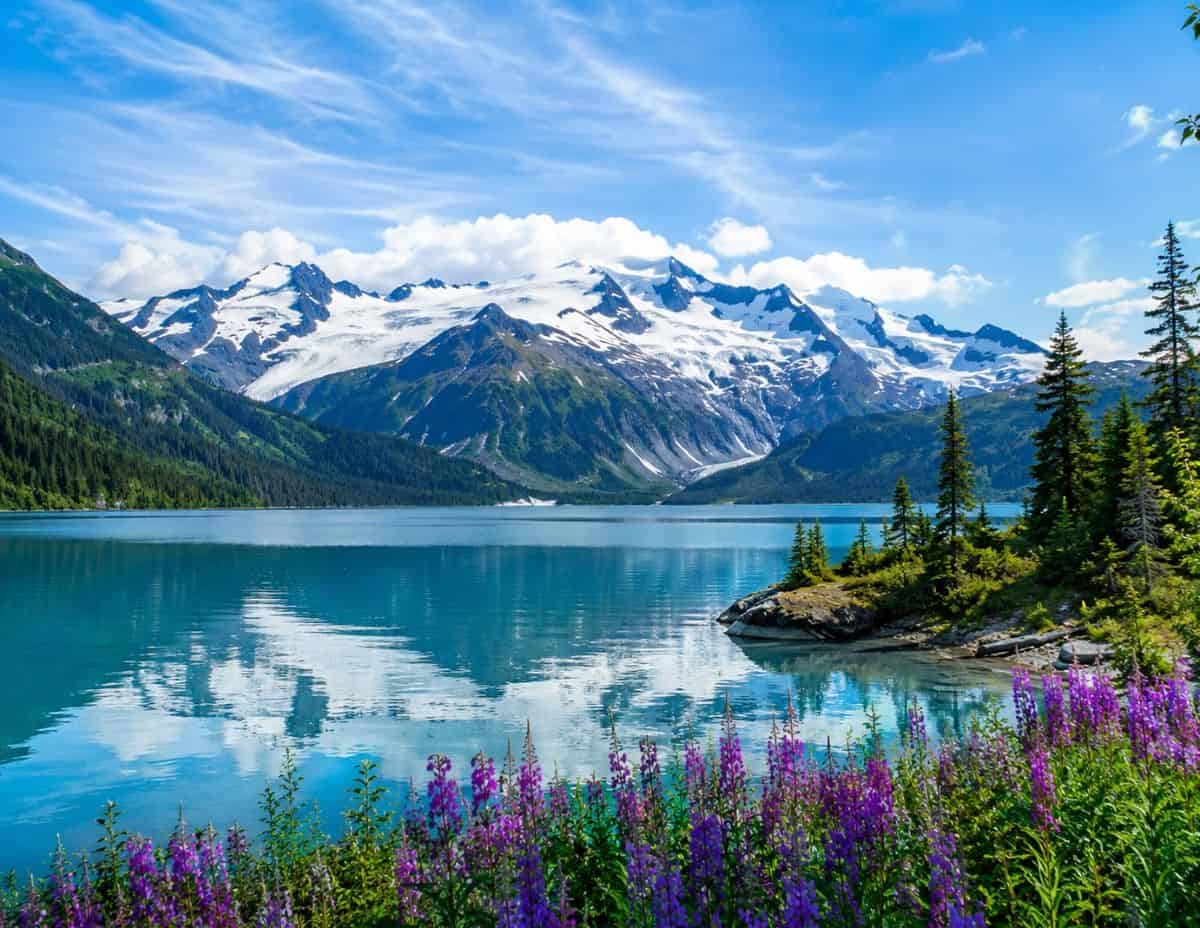
Image generated with Ai
For years people have been able to fulfill their dreams of visiting the emerald canopies of The Last Frontier and listening to the slow thunder of a glacier calving. Unfortunately, this year people are starting to associate the dreams with sticker shock. The price of tourism in Alaska has spiked this year from June to July and Alaska tourism is changing the experience of traveling the wild north. It once created an accessible way to check a bucket list item, but now it is a hefty investment. If you want to take the rails from Anchorage to the deepest regions of Denali or sail to Southeast Alaska, you will have to prepare for a price increase. The state railways have tacked on fuel surcharges to tickets and local assemblies in the cruise capitals have capped berths and raised head taxes to protect their community from being impacted too much by tourism. Travel always took a little bit of a travel adventurer, but today it takes traveler with a willingness to not to let the adventure end due to lack of funds.
Why Are Alaska Railroad Ticket Prices Escalating Rapidly for Summer Travelers Across Core Routes Connecting Anchorage, Denali, and Fairbanks?
Advertisement
The Alaska Railroad Corporation officially introduced a targeted 3% to 4% base rate increase across its core passenger rail operations for the peak 2026 summer season. High-demand routes like the Denali Star, connecting Anchorage to Fairbanks, and the scenic Coastal Classic, operating between Anchorage and Seward, saw immediate baseline tariff increases to absorb growing administrative and operational expenditures. However, the most drastic base rate hike occurred on the popular Glacier Discovery Route linking Anchorage and Whittier, where baseline passenger tickets jumped by a full 7% to account for localized corridor maintenance and heightened seasonal congestion across rugged mountain terrain.
Crucially, traveler expenditures were pushed even higher by the railroad’s dynamic monthly fuel surcharges, which track the OPIS Seattle Ultra-Low Sulfur Diesel baseline price index. During May 2026, the fuel surcharge hit a massive 42.5%, before slightly moderating to 39.5% in June and settling at 33.5% through July 2026. Comparing these figures to the 18.0% to 21.5% surcharges recorded in 2025 demonstrates an effective 12% to 22% overall expense surge on top of standard ticket costs. Consequently, an adult GoldStar ticket from Anchorage to Fairbanks reached $553, whilst Adventure Class fares to Denali National Park rose to $205, with intermediate stops in Wasilla and Talkeetna reflecting similar proportion increases.
Advertisement
Advertisement
How Are Cruise Passenger Head Taxes and Strict Juneau Berth Caps Restructuring Maritime Tourism Economics Across Southeast Ports?
Maritime cruise access remains the single largest driver of summer passenger volumes across Southeast Alaska, prompting local governments to update passenger tax structures and port access fees. In the primary cruise hub of Juneau, arriving cruise passengers now generate a combined state and local statutory fee total of $47.50 per individual visitor. This total encompasses a $5.00 Marine Passenger Fee under municipal code, a $3.00 Port Development Fee, and a $34.50 State Commercial Passenger Vessel Excise Tax, of which $5.00 returns directly to Juneau as a port-of-call allocation to support waterfront infrastructure.
In addition to financial assessments, a historic Memorandum of Agreement between the City and Borough of Juneau and Cruise Lines International Association strictly caps daily passenger counts. The binding capacity framework limits vessel traffic to a maximum of 16,000 available lower berths per day from Sunday through Friday, whilst restricting Saturday arrivals to 12,000 lower berths. This regulatory ceiling ensures that total seasonal volume does not exceed 1.69 million lower berths, protecting municipal resources while guaranteeing $24.5 million in municipal revenues for local waterfront improvements, emergency medical services, and visitor transit infrastructure.
What Regional Port Developments and Marine Highway Adjustments Are Impacting Coastal Community Access in Ketchikan, Skagway, and Sitka?
Beyond Juneau, coastal gateways such as Ketchikan, Skagway, and Sitka have updated their local port frameworks to manage seasonal vessel traffic and maintain maritime security. Ketchikan and Skagway continue aligning head tax receipts with federal requirements to finance essential dock developments and pedestrian transit corridors. Simultaneously, the City and Borough of Sitka updated its harbor utility rate schedules for commercial vessel dockage while strictly enforcing a 6% summer municipal sales tax on all vessel utility and shore power connections from April through September.
Meanwhile, the Alaska Department of Transportation & Public Facilities managed state-operated transit via the Alaska Marine Highway System, operating 9 state ferries across 3,500 marine miles serving 35 coastal communities. While baseline ferry tariffs remained steady throughout the summer schedule from May through July, substantial capital investments were initiated across the fleet. The state solicited replacement contracts for the MV Tustumena, completed main engine repowering on the MV Kennicott, and issued procurement requests for crew quarters on the MV Tazlina, utilizing targeted private contracting to prevent service cancellations on vital regional routes.
How Are Public Land Regulations, Park Bus Fees, and State Reservation Migrations Affecting Outdoor Excursions in Denali and Glacier Bay?
Visiting iconic wilderness destinations like Denali National Park and Glacier Bay National Park involves navigating strictly enforced federal access fees and commercial permits. The U.S. National Park Service maintained its standard individual entrance fee at $15.00 per person for a 7-day pass, while non-resident annual passes remained set at $250. However, narrated tour bus pricing inside Denali integrated this entrance fee directly into total package fares, whereas non-narrated transit bus users were required to present separate pass documentation or pay baseline entrance charges independently.
At the same time, the Alaska Division of Parks & Outdoor Recreation introduced critical administrative changes affecting state campgrounds, public use cabins, and recreational land permits across the state. In June 2026, the Department of Natural Resources issued an official notice announcing a complete migration to a new statewide reservation system scheduled for October 1, 2026. As a result of this transition, state park authorities mandated that all legacy ReserveAmerica gift certificates expire strictly on September 30, 2026, forcing outdoor enthusiasts to redeem all accumulated credit balances prior to the conclusion of the 2026 summer season.
What Is the Wider Economic Impact of Travel and Tourism on Host Communities and Infrastructure Across Anchorage and Rural Outposts?
The far-reaching impact of travel and tourism extends deep into local economies, supporting thousands of small businesses, seasonal workers, and municipal budgets from Anchorage to remote wilderness outposts. Tax revenues generated from passenger head fees, rail tariffs, and local retail sales directly fund public safety, road repairs, and environmental conservation projects that protect delicate ecosystems. However, heavy seasonal influxes also place immense strain on rural healthcare systems, municipal water treatment facilities, and localized housing markets, prompting local assemblies to adopt sustainable cap strategies like Juneau’s berth limits.
Ultimately, balancing high visitor spending with infrastructure maintenance ensures that the pristine beauty of the region remains accessible without compromising the quality of life for resident communities. Expanding public transit systems, upgrading deep-water docks, and preserving public land trails rely directly upon funds harvested during peak summer operations. As travel costs adjust to mirror global energy realities and local conservation needs, both independent travellers and commercial operators must adapt to a landscape where sustainability and premium infrastructure investments go hand in hand.
Every Penny is Worth It for the Frontier
Nothing beats a good hospital bill more than the sight of Denali in the morning. Those corporate markups for airline tickets and port fees are like the cost of a donation to a charitable foundation. You are protecting a haven for some of the most remote unspoiled beauty that our planet still has left. Carving out a trip to Alaska in July of 2026 will require some serious traveling funds and an even longer stretch of your time. However, the cost of all of this isn’t getting you down when you’re standing on a deck of a ferry with an ice wall thundering towards the sea next to you. You remember that not all experiences in life come at a price. Feeling alive while standing in an amazing spot is the reason you don’t let the cost of the trip and the fees get you down when you see the amazing landscapes that remain on earth.
Advertisement
Tags: alaska, latest travel news, Travel News, United States
Advertisement
Advertisement













Friday, September 4, 2026

Friday, September 4, 2026

Friday, September 4, 2026

Thursday, September 3, 2026

Wednesday, September 2, 2026

Friday, September 4, 2026

Friday, September 4, 2026