
American Airlines Joins Delta, United, and British Airways in Warning of a Cruise-Driven Tourism Shift Across the U.S., Bahamas, and Mexico, Hotel Giants Prepare for Record Demand

Published
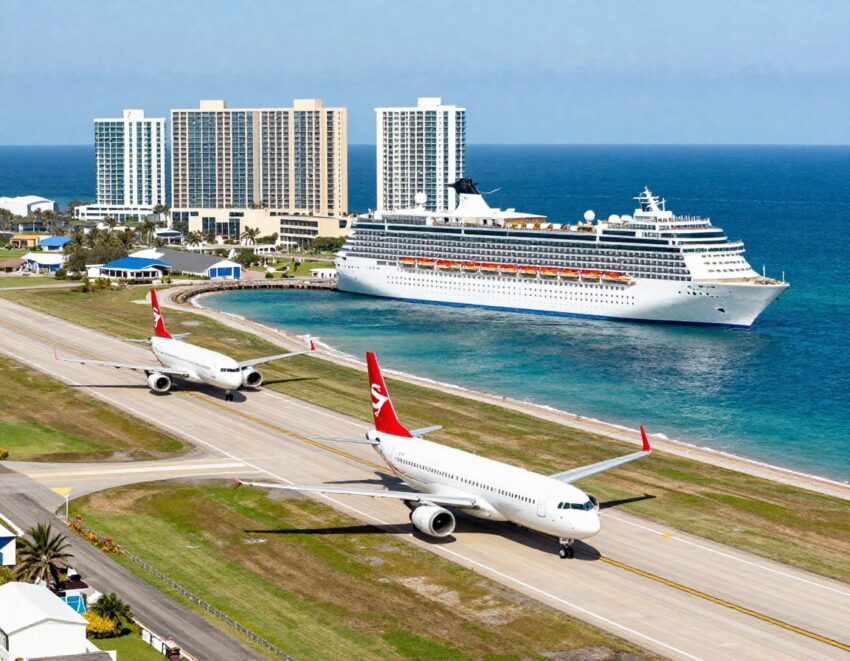 Image generated with Ai
American Airlines, Delta Air Lines, and United Airlines are no longer just tracking passenger demand between cities and countries; they are closely watching how the rapid rise of mega cruise ships is reshaping global travel patterns across the United States, the Bahamas, and Mexico, triggering a ripple effect that is now impossible to ignore. As cruise ships carrying more than 6,000 passengers at a time funnel millions of travelers into a handful of major gateway cities each year, these airlines are adjusting routes, adding capacity, and recalibrating schedules to serve a growing wave of fly-to-cruise passengers who increasingly arrive days early and stay longer after disembarkation. This shift is backed by recent industry data showing cruise passenger volumes at record highs and air travel demand surpassing pre-pandemic levels, creating a powerful overlap between air travel, sea travel, and land-based tourism. The result is a travel ecosystem where airports are busier on sailing days, hotel occupancy spikes midweek instead of just weekends, and destinations like Miami, Nassau, and Cozumel experience tourism surges that feel closer to major global events than traditional holiday seasons. For travelers, this transformation means more flight options, tighter pricing around peak cruise schedules, and a hospitality sector rapidly evolving to meet the needs of cruise-linked guests, making the cruise-driven tourism shift one of the most significant and defining travel trends shaping how people move, stay, and explore today.
American Airlines Joins Delta, United, and British Airways in Warning of a Cruise-Driven Tourism Shift Across the U.S., Bahamas, and Mexico — Hotel Giants Prepare for Record Demand
The global travel map is being quietly redrawn, not by new borders or political shifts, but by the rise of mega cruise ships that now resemble floating cities. Airlines, hotels, and tourism boards are adjusting fast. From Miami to Nassau and Cozumel, the impact is no longer theoretical. It is visible in airport terminals, hotel occupancy data, and flight schedules packed around cruise departure days. Major carriers are paying close attention, and so should travelers.
The modern cruise boom is changing how people move, where they stay, and how destinations prepare. Airlines such as American Airlines, Delta Air Lines, United Airlines, and British Airways are responding to a surge in fly-to-cruise travel that is reshaping tourism flows across the United States, the Bahamas, and Mexico. At the same time, global hotel groups like Marriott International and Hilton Worldwide are expanding near cruise hubs to capture demand that did not exist at this scale a decade ago.
Advertisement
Advertisement
This shift matters for travelers. It affects flight prices, hotel availability, destination crowd levels, and even how long people choose to stay before and after a cruise. Understanding this new travel ecosystem helps tourists plan smarter, avoid stress, and get better value.
American Airlines, Delta, United, and British Airways Flag a Cruise-Driven Tourism Shift
Airlines track travel patterns with precision. When multiple major carriers highlight the same trend, the signal is strong. Over the past two years, airline data has shown rising demand for flights into cruise gateway cities such as Miami, Fort Lauderdale, Orlando, Houston, and New York, alongside international hubs like London, Madrid, and Frankfurt.
Advertisement
Advertisement
Cruise passengers increasingly fly rather than drive. Mega ships carry more than 6,000 guests each. A single sailing can fill several wide-body aircraft. Airlines see consistent spikes in bookings one to three days before embarkation dates and again immediately after ships return.
American Airlines has expanded frequencies into South Florida and the Caribbean during peak cruise seasons. Delta has added capacity on transatlantic routes feeding Mediterranean and Caribbean cruises. United continues to strengthen its hub strategy in Houston and Newark, connecting Latin America, Europe, and U.S. cruise ports. British Airways has benefited from strong demand between London and Florida, where cruise itineraries dominate winter travel.
Advertisement
Advertisement
For travelers, this means more seat availability but also tighter pricing around peak sailing days. Booking flights early is no longer optional. Airlines now treat cruise calendars almost like major events.
American Airlines, Delta, United, and British Airways Shape New Travel Habits
The cruise surge is not replacing air travel. It is amplifying it. Long-haul passengers from Europe, Canada, and South America still need flights to reach cruise ports. Domestic travelers increasingly choose short flights rather than long drives, especially when sailing from Florida or Texas.
This has changed traveler behavior. Many passengers now arrive two nights before sailing. Airlines support this pattern by offering flexible fare classes, same-day changes, and expanded baggage allowances tied to cruise partnerships. Some carriers coordinate arrival times to reduce missed sailings, an issue that grew during post-pandemic travel recovery.
For tourists, the airline-cruise relationship delivers convenience but requires planning. Flights arriving before noon offer the best buffer. Late-evening arrivals increase risk. Morning departures after disembarkation reduce hotel nights but increase stress. Airlines recommend next-day returns for international cruisers, a suggestion echoed quietly by travel insurers.
Advertisement
Advertisement
How Mega Cruise Ships Are Transforming the U.S. Travel Landscape
The United States sits at the center of the cruise ecosystem. Florida alone handles the majority of North American cruise departures. Miami has emerged as the world’s busiest cruise port, with passenger movements exceeding eight million annually. Fort Lauderdale and Port Canaveral follow closely.
This scale impacts tourism far beyond the ship. Airports experience cruise-driven surges that rival holiday travel peaks. Ride-share demand increases sharply. Restaurants near ports see predictable booms. Museums and beaches attract early-arriving cruisers.
Hotels benefit most. Data from the cruise industry shows that more than two-thirds of cruise passengers stay at least one hotel night before or after sailing. In gateway cities, that translates into millions of room nights annually.
For travelers, the U.S. offers unmatched cruise access but also heavy crowds. Choosing off-peak sailings, midweek flights, and hotels slightly inland can significantly improve the experience.
Bahamas Tourism Feels the Full Force of the Cruise Boom
The Bahamas is one of the most cruise-dependent tourism economies in the world. Nassau alone can welcome several ships in a single day, delivering tens of thousands of visitors at once. Cruise tourism supports local transport, retail, excursions, and employment, but it also compresses visitor activity into short windows.
Airlines play a parallel role. While many visitors arrive by ship, others fly in to stay longer or combine a land holiday with a cruise. Flights from the U.S. East Coast remain frequent year-round. Winter demand is especially strong, driven by cold-weather escapes.
Advertisement
Advertisement
Hotels in Nassau, Paradise Island, and the Family Islands have adapted. Short stays are now common. Pre-cruise and post-cruise packages include airport transfers, luggage storage, and flexible check-out times.
For tourists, the Bahamas rewards smart timing. Early morning shore visits beat crowds. Booking excursions independently can offer quieter experiences. Extending the trip by two nights transforms a rushed stop into a relaxed island stay.
Mexico’s Cruise Ports and Airlines Adjust to Rising Volumes
Mexico is both a cruise destination and a major flight market. Ports such as Cozumel and Costa Maya rank among the busiest in the world. At the same time, cities like Cancun, Mexico City, and Los Angeles-connected Pacific ports support fly-and-sail itineraries.
Airlines serving Mexico have seen steady growth in cruise-linked bookings. U.S. carriers dominate short-haul routes, while international airlines feed longer itineraries. Mexican airports have expanded terminal capacity to manage combined leisure and cruise demand.
Hotels near cruise ports increasingly cater to one- or two-night stays. Resorts market cruise add-ons. City hotels offer early breakfasts and shuttle coordination aligned with ship schedules.
For travelers, Mexico offers flexibility. You can cruise, fly, or combine both. Be aware of local port fees and timing restrictions. Always confirm ship departure times in local time zones, not ship time, to avoid missed sailings.
Advertisement
Advertisement
The Hospitality Industry Prepares for Record Demand
Hotels sit at the intersection of air and sea travel. As cruise ships grow larger, hotels grow busier. Marriott and Hilton continue to expand near cruise ports, airports, and transport hubs. New properties prioritize quick check-in, luggage handling, and flexible cancellation.
Occupancy rates around major ports now peak not only on weekends but also midweek, aligned with sailing schedules. Pricing reflects this. Hotels closest to ports charge premiums on embarkation days.
For tourists, the best value often lies one to two miles from the port, especially when combined with ride-share or hotel shuttles. Loyalty programs can offset higher rates. Booking refundable rooms allows flexibility if cruise schedules change.
Airline Schedules, Aircraft, and What Travelers Should Know
Airlines deploy larger aircraft on cruise-heavy routes. Wide-body jets operate between Europe and Florida. High-frequency narrow-body flights dominate U.S. domestic connections. Morning arrivals are prioritized.
Baggage rules matter. Cruise travelers often carry more luggage. Most major airlines allow checked bags on long-haul tickets, but domestic fares may not. Pre-paying baggage avoids airport delays.
Flight delays remain the biggest risk factor for cruisers. Airlines recommend arriving at least one day early. Travel insurance covering missed departures is increasingly common.
Advertisement
Advertisement
Practical Travel Tips for Cruise-Air Travelers
Arrive early. One extra night reduces stress and protects your investment
Choose flights landing before noon when possible
Book hotels with cruise-friendly policies
Confirm port transportation in advance
Avoid last-day flights home before noon
Track airline and cruise apps for real-time updates
Use carry-on essentials in case checked bags are delayed
Why This Tourism Shift Matters for the Future
Cruise ships are no longer isolated experiences. They drive airline demand, reshape hotel strategies, and influence destination planning. The tourism shift flagged by major airlines reflects a broader transformation in how people travel.
For travelers, this creates opportunity. More flight options. Better hotel services. New ways to combine land and sea travel. It also demands awareness. Crowds are predictable. Prices fluctuate with sailing calendars. Planning makes the difference.
As mega cruise ships continue to enter service, the relationship between airlines, hospitality, and destinations will deepen. Travelers who understand this system will travel smarter, smoother, and with fewer surprises.
The era of cruise-driven tourism has arrived. Airlines see it. Hotels are ready. The question for travelers is simple. How will you plan your next journey in a world where the biggest ships on earth shape the skies above them?
Advertisement
