
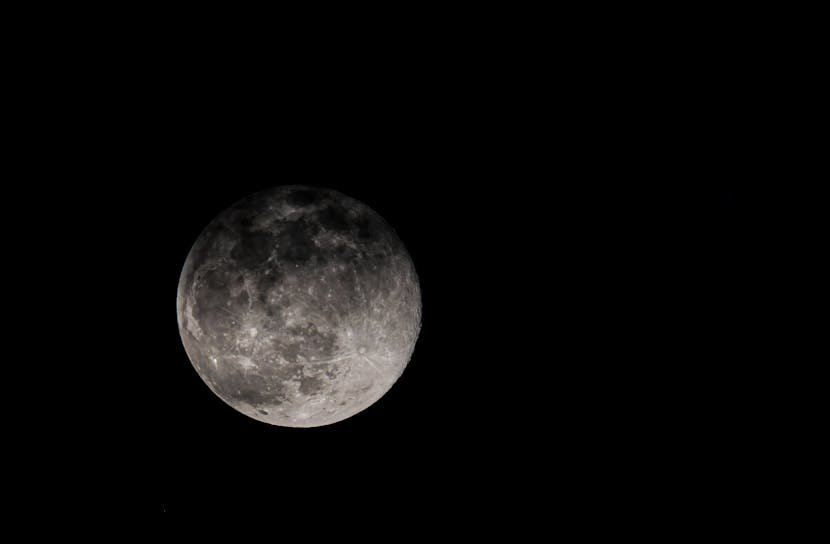
Image generated with Ai
The enchanting allure of the cosmos has always captured human imagination, but in recent years, a significant resurgence in astrological curiosity has emerged. With over 2.28 million Google searches for “When is the next full moon?”, it’s clear that the fascination with celestial events is not just alive but thriving. This surge in interest, coupled with an alarming 10% average annual increase in light pollution, is paving the way for astro-tourism to become a significant niche within the travel industry.
A new study by Bókun, a leader in travel booking management software, sheds light on the best locations for tour operators to capitalize on this trend, particularly ahead of the much-anticipated “Pink Moon.” The study highlights the critical role of astro-tourism in not only boosting local economies but also in cultivating a community of like-minded stargazers.
Advertisement
Best Cities for Astro-Tourism: Coventry Leads the Way
According to Bókun’s analysis, Coventry emerges as the top destination for viewing the upcoming Pink Moon. The city boasts the highest visibility distance coupled with a favorable level of light pollution, making it an ideal spot for clear, unobstructed moon gazing. Following closely are Bradford, Birmingham, Cardiff, Nottingham, and Liverpool, each offering unique conditions that enhance the full moon experience.
Advertisement
Advertisement
The “Pink Moon,” set to shine its brightest at 23:49 GMT on April 23, marks a prime opportunity for tour operators to attract tourists. This event is part of a larger celestial calendar that includes the “Flower Moon” in May and the “Strawberry Moon” in June, each presenting a unique draw for celestial tourists.
How Tour Operators Can Capitalize on Astro-Tourism
Tour operators are well-positioned to capitalize on the burgeoning interest in the night sky. By offering specialized tours that cater to these celestial events, operators can provide a unique experience that’s becoming increasingly difficult to enjoy in urban settings due to rising light pollution.
Daniel Hasselbach, a travel expert at Bókun, notes the growing intrigue surrounding these astronomical phenomena. “Tourists are increasingly eager to escape the city lights and reconnect with the night sky,” he explains. “Providing tours during key celestial events not only meets this demand but also adds an educational layer to the travel experience.”
Advertisement
Advertisement
Strategies for Cultivating Community Through Astro-Tourism
Event-centric Tours: By organizing tours around specific celestial events, operators can create anticipation and a build-up to the event, making it a social and communal gathering.

Educational Components: Employing knowledgeable guides who can educate tourists about astronomy not only enriches the experience but also increases the perceived value of the tour.

Social Media Integration: Encouraging tourists to share their experiences on social media can enhance brand visibility and foster a sense of community among participants, potentially drawing more attendees to future events.

Sustainability Practices: Promoting and practicing sustainability can enhance the appeal of astro-tourism, particularly among eco-conscious travelers who value minimal environmental impact.
Challenges and Opportunities
The primary challenge facing astro-tourism is the increasing rate of light pollution. Each year, as urban areas expand and more lights are added, the visibility of celestial bodies diminishes. However, this also presents an opportunity for tour operators to promote remote or less polluted areas as prime spots for stargazing.
Another challenge is the weather dependency of such tours. Operators must manage expectations and have contingency plans for cloudy or inclement weather conditions.
Conclusion
As the night skies beckon with their silent stories, astro-tourism offers a unique opportunity to tap into the growing public interest in astronomy. For tour operators, it’s not just about offering a trip; it’s about providing a gateway to the universe. By focusing on community-building and educational experiences, operators can ensure that the mystical appeal of the cosmos translates into memorable journeys that keep tourists coming back for more celestial spectacles.
Advertisement
Tags: astro-tourism, Google, Pink Moon
Advertisement
Advertisement













Sunday, September 6, 2026

Sunday, September 6, 2026

Sunday, September 6, 2026

Sunday, September 6, 2026

Saturday, September 5, 2026

Saturday, September 5, 2026

Saturday, September 5, 2026

Saturday, September 5, 2026



