
New Zealand Airport Travel Plan Raises Fresh Questions on Privacy and Passenger Access

Published
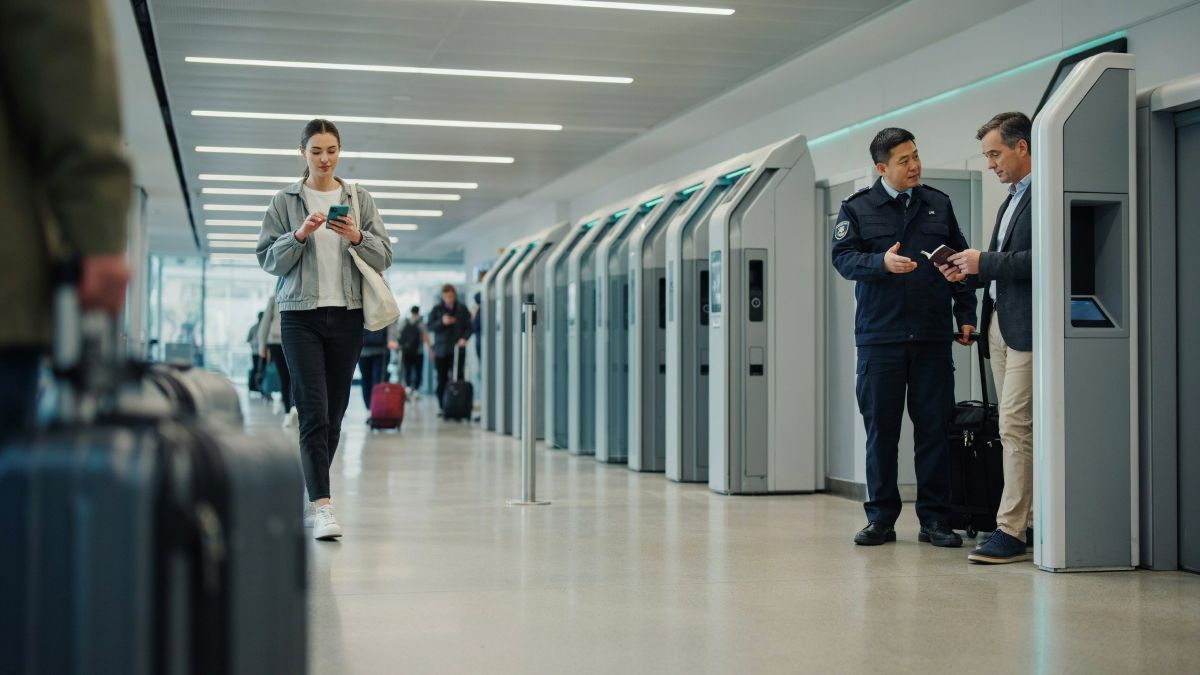
The plan for New Zealand’s airport travel creates new concerns about privacy and traveler accessibility. The plan may enable qualified citizens to travel using digital credentials and biometrics through some portions of the process at the airport. Nonetheless, the plan is a mere election promise at this stage and has not been revealed by the authorities. Australia is designing digital arrival declaration for travelers, even when border policies continue requiring people to qualify in terms of their passports and entry requirements. Hence, the pilot project needs to demonstrate who is eligible to participate, what data is collected by agencies, and how people without technology will be assisted.
What has New Zealand promised?
New Zealand’s National Party announced on 1 October that, if re-elected, it would work with Australia to trial “seamless” travel for Australian and New Zealand citizens. The idea is to let eligible people use a smartphone, digital credentials and biometric technology during more parts of the airport journey. The plan aims to begin a trial before the two countries co-host the 2028 Men’s T20 World Cup, scheduled from 21 October to 19 November that year.
The proposal is not yet a government programme. It does not give a launch date, list the airports that would take part or explain the exact passenger steps. It also says Australia would need to work with New Zealand. That makes cooperation across both governments a central part of the plan.
The party says the trial could mean that eligible travellers would not need to present a paper passport at the gate. That does not mean all travellers can stop carrying passports now. Nor does it mean the proposed service would remove visa, customs or biosecurity checks. The official announcement says border agencies would retain the ability to intervene when they identify a risk.
Advertisement
Advertisement
Why are these trips attracting attention?
The Australia–New Zealand travel link carries large numbers of people in both directions. Stats NZ recorded 1.59 million overseas visitor arrivals from Australia in the year to July 2026. It also recorded 1.29 million New Zealand-resident traveller arrivals returning from Australia during the same period. These are arrival counts, not counts of unique people. In July alone, 134,900 visitors arrived from Australia, a record for that month.
Those numbers help explain why governments are looking at ways to improve airport processing. But they do not prove that biometric gates will create more tourism or cut queues. To make that case, officials would need to publish evidence about passenger numbers, processing times and the wider travel experience.
Advertisement
Advertisement
The two countries have already discussed easier travel. At their 2024 leaders’ meeting, the prime ministers backed work by the Trans-Tasman Seamless Travel Group. The shared vision included Australia testing a digital incoming passenger card and New Zealand upgrading its eGates. Leaders described these measures as steps towards contactless travel across more of the airport journey.
Australia already has a digital border plan
The New Zealand pledge arrives as Australia moves ahead with its own border changes. On 13 July 2026, the Australian Border Force announced that the Australia Travel Declaration, or ATD, would be introduced at all international airports and seaports before the end of 2027. The system is intended to replace the paper Incoming Passenger Card in stages. The government committed A$56.1 million over four years to traveller modernisation projects. That funding covers the ATD and other border improvements, so it should not be described as money set aside only for facial recognition or the trans-Tasman proposal.
The ATD pilot began in October 2024. By July 2026, more than 450,000 passengers on eligible Qantas flights to Brisbane, Sydney and Melbourne had used it. The plan was to extend the pilot to Perth and Adelaide before the end of 2026, then expand the declaration to all international airports and seaports over the following 12 to 18 months. The wider service is expected to begin as a web form, with further app options developed with industry.
This is a key difference between the two countries’ plans. Australia has announced funding and a national rollout timetable for digital declarations. New Zealand’s October pledge proposes a future biometric trial, subject to the election result and cooperation with Australia. The systems may support a more connected journey, but the public announcements do not yet show that both countries have agreed to one shared service.
Travellers already use digital tools
Some parts of the proposed future already exist. New Zealand introduced its Traveller Declaration in August 2023 to digitise the paper Passenger Arrival Card. Everyone entering New Zealand must complete a declaration, including New Zealand passport holders. Travellers can use a website or app, and anyone unable to submit it digitally can use a paper form. A digital declaration means travellers do not also need to complete the paper version.
The declaration is linked to the traveller’s passport. It is checked when the passport is scanned at an eGate or reviewed by a border officer. New Zealand’s eGates already use biometrics: they compare the traveller’s face with the image held in the ePassport. However, the traveller still needs the passport to scan.
Advertisement
Advertisement
Australia’s ATD also changes paperwork, rather than removing the passport. Under current pilot rules, eligible passengers use the Qantas app to make a declaration up to 72 hours before departure. They receive a digital pass with a QR code. The process remains limited to supported routes and flights. Travellers who are not eligible, or who choose not to join the pilot, can still use the paper card.
This distinction matters. A digital declaration collects information about a trip and what a person is bringing into the country. A biometric check helps verify identity. A passport remains an official travel document. These are connected steps, but they do different jobs.
A family could face different rules
The current automated gates do not follow identical rules in both countries. In Australia, an arrival SmartGate may be available to travellers aged seven or older who are at least 1.1 metres tall and travelling with a parent or legal guardian. Australia is also expanding SmartGate access to more passport holders.
New Zealand’s eGates are open to eligible ePassport holders aged ten or older. The passport must come from a country on the eligible list. Australia and New Zealand are both on it.
That creates a simple example for the article: a child aged eight or nine may meet Australia’s current age rule but not New Zealand’s. A family could therefore have different experiences on the two legs of one trip. It is not yet clear whether the proposed trial would change those age limits, or whether it would cover children at all.
The same question applies to other travellers. National’s proposal names Australian and New Zealand citizens. It does not say whether Australian permanent residents or visitors with other passports could use the trial. Immigration rules remain separate. Australian permanent residents, for example, normally need a New Zealand Electronic Travel Authority before travelling unless they already have a valid New Zealand visa.
Advertisement
Advertisement
The promise does not remove entry rules
A biometric system can help check identity, but it does not itself grant permission to enter a country. New Zealand’s travel guidance says most visitors need a visa or NZeTA before travelling. Travellers must also hold a valid passport or another accepted travel document that matches their visa or NZeTA details. Australian and New Zealand citizens do not need a visa or NZeTA to travel between the countries, but they still need a valid travel document.
That is why “passport-free” can give readers the wrong impression. The proposal refers to not requiring a paper passport at the gate for eligible passengers. It does not say passports will no longer be needed for booking, check-in, immigration records or other border steps. The final system design would need to explain where a digital credential could stand in for a physical document and where it could not.
Border officers would also keep their role. The National announcement says agencies must be able to step in when they identify a risk. That suggests automated processing would sit alongside human checks, rather than replace them completely. The proposal does not explain how a traveller would move to manual processing if the technology could not verify their identity.
Privacy rules add a timely test
Biometric travel relies on personal information, including facial images. New Zealand’s Biometric Processing Privacy Code sets rules for organisations and agencies that collect or use biometric information. It came into force in November 2025. Organisations already using biometric systems had until 3 August 2026 to meet the new requirements.
The code says agencies must have a lawful purpose for collecting biometrics. They must consider whether the technology is necessary and effective, whether a less privacy-risky option could work, and whether safeguards are reasonable. The rules also ask agencies to consider the likely impact on people and cultural effects on Māori.
Existing eGate privacy arrangements offer a point of comparison, but they should not be mistaken for the rules of a future trial. New Zealand Customs says it keeps eGate biometric information for three months before destroying it. It retains other information, including border movement records, indefinitely. The trial’s own data rules have not been set out in the National announcement.
Advertisement
Advertisement
Australia’s ATD has a separate privacy notice. It says Qantas sends the declaration information to the Australian Government and does not store the ATD information on its own systems. That is information about the current declaration system, not proof of how a future shared biometric service would handle facial data across both countries.
What happens when technology fails?
A digital process needs a clear backup. Phones can run out of battery. Travellers can lose internet access. A flight may be cancelled or diverted. A facial match may fail. These are ordinary travel problems, and the future trial’s plans for them are not yet public.
Australia’s current ATD FAQs show why backup arrangements matter. If the passenger cannot access the declaration pass, an officer can help. If a flight is cancelled, rescheduled or moved to a different Australian international airport, the passenger may need to complete a paper Incoming Passenger Card instead.
The proposed trial should also be assessed for accessibility. Australia’s SmartGate guidance directs people who need a companion to push their wheelchair to an assisted manual border desk. This illustrates why a smooth automated route cannot be the only route. A new system needs a practical option for passengers who cannot use a phone, camera or automated gate.
The real test will be evidence
The airport travel strategy for New Zealand poses new issues about privacy and access for travelers. It could allow eligible travelers to use digital verification and biometric identification along some sections of their airport experience. Nevertheless, the strategy is just an electoral promise, and the government has not released details of its design yet. In Australia, efforts are being made to create a digital arrival declaration, but border regulations still demand that travelers satisfy passport and entry conditions. This means that the pilot project will need to outline who qualifies for access, which information agencies will collect, and how staff will assist travelers who cannot utilize the system.
Advertisement
