
Belgrade To Tokyo Travel Experience Reveals Complex Asia Transit And Multi Airline Journey

Published
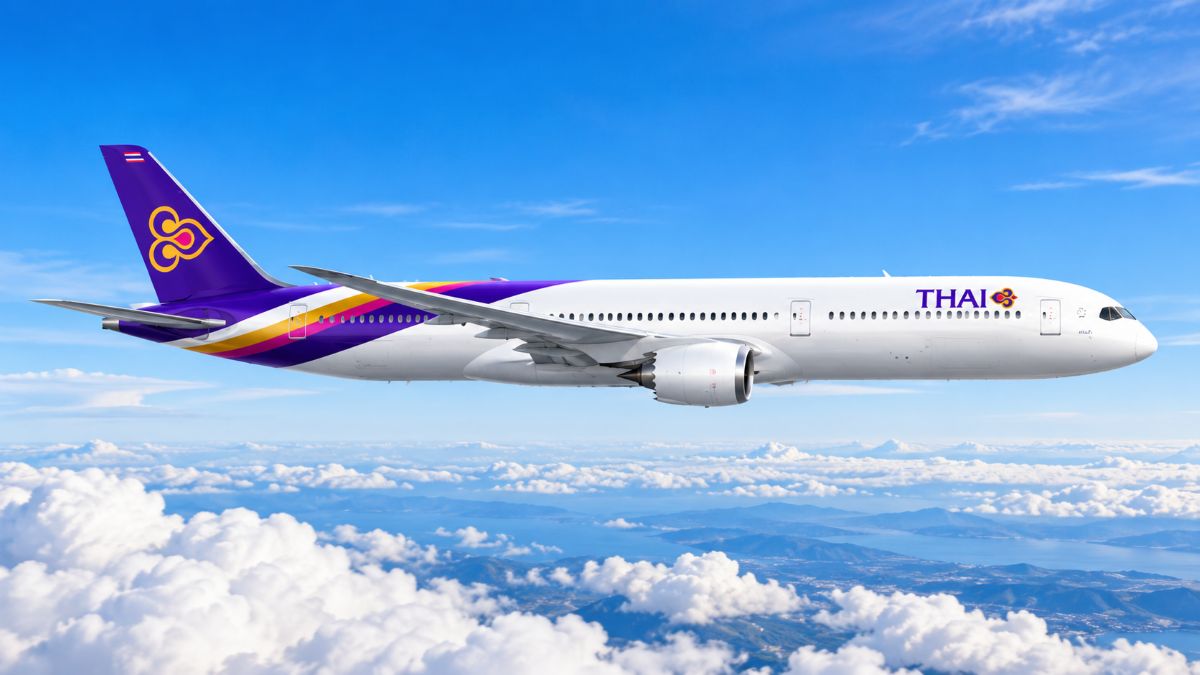
The journey from Belgrade to Tokyo can involve far more than a simple long-haul flight, particularly when travellers combine regional connections, separate bookings and Asian transfer points. A detailed March 2026 journey from Belgrade to Budapest, Shanghai and Tokyo illustrates the practical realities of such an itinerary, from efficient airport processing in Serbia to complicated ticketing procedures in China and a final arrival in Japan.
The experience also highlights the importance of allowing sufficient connection time and checking transit requirements carefully when travelling across several jurisdictions. The journey involved Air Serbia, Shanghai Airlines and China Eastern Airlines, with the traveller eventually reaching Tokyo Narita after a difficult ticketing problem in Budapest and an unexpected need to enter China during the Shanghai connection. The account provides useful insight into airport procedures, aircraft experiences, passenger flows and the practical considerations involved in reaching Japan from the Balkans.
A Regional Flight Begins The Journey
The first sector was from Belgrade to Budapest on 16 March 2026 aboard an ATR 72-600. The aircraft carried 48 passengers, producing a reported load factor of 67 per cent. Boarding was conducted through the airport’s bus-gate area, while security and check-in were completed quickly.
The flight departed after a short delay and reached Budapest after approximately 50 minutes. The onboard experience included water and a biscuit, while the crew was described as professional and courteous. The fare was £78 including checked baggage.
Advertisement
Advertisement
For travellers using Budapest as a connection point, however, the ground journey presented a different experience. Public transport from the airport was crowded, while ticket purchasing proved difficult because of busy machines and problems with the travel application. Despite those challenges, the traveller spent the evening exploring Budapest before returning to the airport the following morning.
Shanghai Connection Creates A Major Travel Challenge
The second flight was scheduled from Budapest to Shanghai Pudong on a Boeing 787-9. The most significant complication concerned a travelling companion holding a Kosovan passport. The report notes that obtaining clear information about transit through China was difficult because China does not recognise Kosovo, even though the applicable transit information indicated that the journey was possible.
Advertisement
Advertisement
The situation became even more complicated when the traveller discovered that a previous timetable change had not been properly reconfirmed in the airline’s reservation system. This meant the passenger was initially not listed for the flight. Ground staff also indicated that the service was overbooked.
After contacting customer service in Shanghai, the booking was manually reconfirmed, allowing the traveller to check in. The entire process took roughly an hour before the passengers could proceed towards security and the gate.
| Journey Stage | Route | Aircraft | Key Experience |
|---|---|---|---|
| First flight | Belgrade to Budapest | ATR 72-600 | Quick airport processing and 50-minute flight |
| Second flight | Budapest to Shanghai | Boeing 787-9 | Ticketing and transit complications |
| Third flight | Shanghai to Tokyo Narita | Airbus A350-900 | Full flight and Premium Economy experience |
Long Haul Flight Connects Europe With East Asia
Once aboard the Boeing 787-9, the passenger described the cabin as clean and reasonably comfortable. The flight included two meal services, although the food received mixed personal feedback. Cabin crew regularly offered water and juice during the journey.
The aircraft arrived at Shanghai Pudong shortly before dawn. The traveller initially expected to remain in international transit but was directed towards the landside ticket desk because of the unresolved onward booking.
This meant formally entering China, collecting baggage and locating the relevant airline counter. The process was eventually resolved when an agent arranged a replacement itinerary to Tokyo, including an upgrade to Premium Economy. The traveller spent less than an hour landside before completing security and immigration procedures to return airside.
Final Flight To Tokyo Brings Relief
The final sector departed Shanghai Pudong for Tokyo Narita on an Airbus A350-900. The flight was full, and the traveller was seated in Premium Economy. Two companions experienced an unexpected seat change and were moved into Business Class.
Advertisement
Advertisement
The Premium Economy seat provided additional legroom, although the four-abreast configuration was described as relatively tight. The flight departed slightly ahead of schedule and continued towards Japan after the exhausting overnight journey.
During descent, the traveller briefly saw Mount Fuji before the aircraft landed at Tokyo Narita at 12:45 local time. Immigration was completed quickly, while customs was described as more chaotic. The group reached the airport railway station within about an hour and began their Japanese trip.
What Travellers Can Learn From The Experience
The journey demonstrates why multi-ticket international itineraries require careful preparation. Separate bookings can create additional risks when schedule changes are not correctly transferred between systems. The experience also shows why travellers should check passport-specific transit requirements and allow generous connection time when an itinerary involves complicated immigration arrangements.
The traveller’s overall assessment was favourable towards the regional flight experience and the long-haul service, while expressing reservations about using China as a transit point with a Kosovan passport. The report ultimately provides a practical case study rather than a universal assessment, since immigration, airline and ticketing procedures can vary according to nationality, booking structure and individual circumstances.
Return Journey Takes A Different Route
After ten days in Japan, the return journey followed a separate routing. It began with a domestic flight from Osaka Itami to Tokyo Haneda on a Japan Airlines Boeing 767-300. The traveller then continued to Guangzhou on a China Southern Boeing 777-300ER before flying onwards to London Heathrow on another Boeing 777-300ER.
The return itinerary demonstrates another approach to connecting Japan with Europe, using domestic Japanese air travel followed by a Chinese stopover and a long-haul European service.
Advertisement
Advertisement
FAQs
1. How did the journey from Belgrade to Tokyo begin?
The journey began with a flight from Belgrade to Budapest before continuing towards Shanghai and Tokyo.
2. Which aircraft operated the Belgrade to Budapest sector?
An ATR 72-600 operated the first flight.
3. How long was the Belgrade to Budapest flight?
The reported flight time was approximately 50 minutes.
Advertisement
Advertisement
4. Which aircraft operated Budapest to Shanghai?
The long-haul sector was operated by a Boeing 787-9.
5. Why was the Shanghai transit complicated?
The journey involved uncertainty over transit arrangements for a traveller holding a Kosovan passport and a separate ticketing problem.
6. What happened to the booking in Budapest?
A previous timetable change had not been properly reconfirmed in the reservation system, leaving the traveller initially absent from the flight record.
Advertisement
Advertisement
7. Did the traveller eventually reach Tokyo?
Yes. The traveller reached Tokyo Narita after the booking issue was resolved in Shanghai.
8. Which aircraft operated Shanghai to Tokyo?
The final outbound sector was operated by an Airbus A350-900.
9. How long did the traveller spend in Japan?
The return journey took place after ten days in Japan.
Advertisement
Advertisement
10. What route was used for the return journey?
The return itinerary travelled from Osaka Itami to Tokyo Haneda, then to Guangzhou and onwards to London Heathrow.
Advertisement
