
New York City Follows San Francisco and More Countries in Airbnb Registrations and Investment Bans to Purge Hyper-Tourism

Published
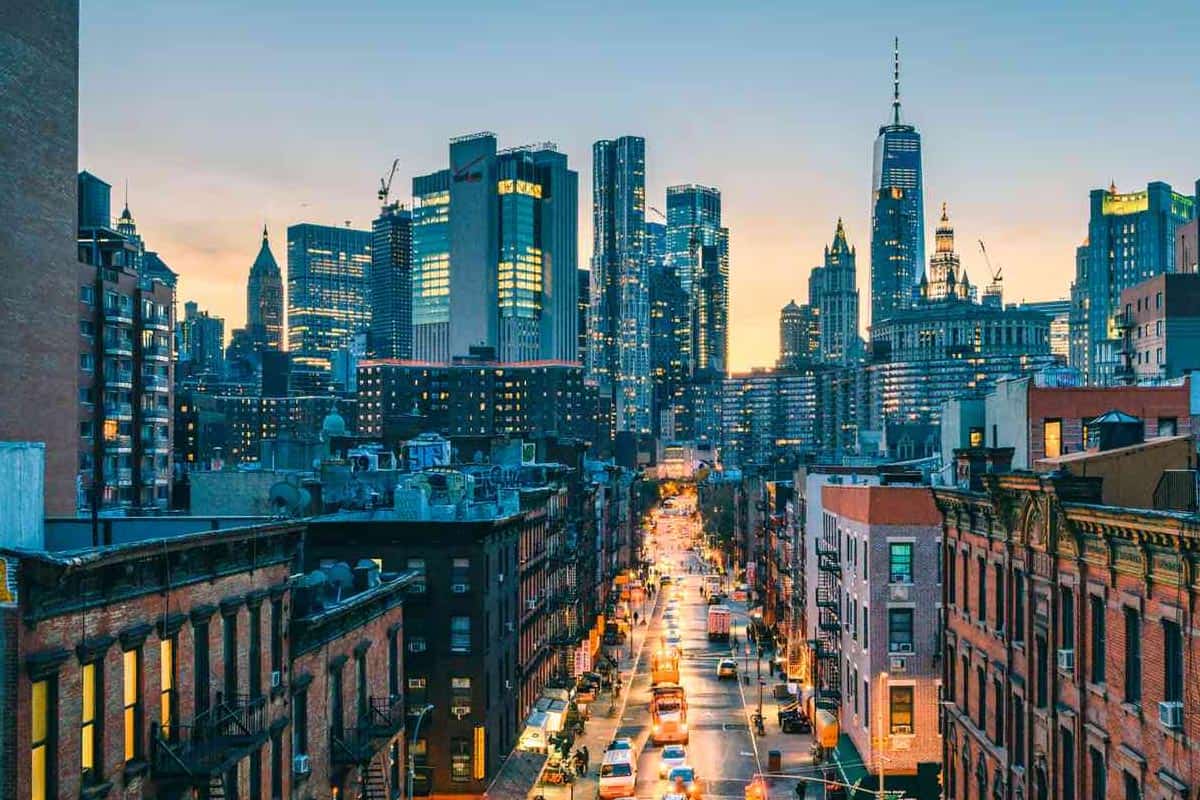
Image generated with Ai
As global travel surges, major cities are fighting back against soaring rents and overwhelmed neighbourhoods. At the forefront of this movement, New York City has implemented some of the strictest Airbnb registration and investment bans in the world, closely mirroring pioneering efforts in San Francisco. This legislative clampdown represents a deliberate push to purge hyper-tourism and reclaim residential housing. From Florence freezing new short-term rental permits to Barcelona committing to eliminate tourist apartments by 2028, governments are decisively intervening. Understanding these dramatic policy shifts is crucial for investors, residents, and travellers navigating the rapidly changing short-term rental market landscape today.
Defining the Hyper-Tourism Crisis
The phenomenon of hyper-tourism, widely known as overtourism, has reached a critical boiling point in 2026. Following the unprecedented resurgence of global travel in the post-pandemic era, iconic destinations have found themselves buckling under the sheer weight of unregulated visitor influxes. Hyper-tourism is no longer merely an inconvenience marked by crowded pavements and bustling city squares; it has evolved into a severe socio-economic crisis that directly threatens the sustainability of local housing markets and municipal infrastructures. Entire neighbourhoods have been systematically hollowed out, transforming vibrant, multi-generational communities into transient hubs predominantly populated by short-term visitors.
Advertisement
Advertisement
This aggressive commercialisation of residential property has fundamentally distorted the core fabric of urban living. As speculative property investors eagerly purchased apartments and entire housing blocks to convert them into highly lucrative holiday lets, the available housing stock for ordinary working residents plummeted. The inevitable economic consequence was a dramatic and unsustainable spike in long-term rental prices. Consequently, teachers, healthcare workers, hospitality staff, and young professionals found themselves entirely priced out of the very cities they helped sustain. The hyper-tourism crisis ultimately forced local and national governments to acknowledge that unrestricted holiday rentals pose a direct, existential threat to urban stability, necessitating immediate and severe legislative intervention.
Why Airbnb Registration and Investment Bans Are Surging
Faced with a rapidly deteriorating housing landscape, municipal authorities across the globe have initiated severe regulatory counter-measures. The global short-term vacation rental market has exploded in scale, with authoritative market projections from Grand View Research estimating its immense value at approximately $165.7 billion in 2026. To aggressively combat this sprawling financial behemoth, international governments are increasingly implementing comprehensive Airbnb registration and investment bans. These legislative frameworks are meticulously designed to dismantle the financial incentives that have traditionally driven the unchecked proliferation of holiday lets.
Advertisement
Advertisement
These stringent bans do not merely aim to tax the short-term rental market; they are explicitly engineered to capsize the speculative business model entirely. By mandating incredibly strict licensing requirements, limiting the number of days a property can be rented, and outright forbidding non-resident property investors from participating in the holiday let market, authorities are forcibly returning properties to the long-term residential sector. The implementation of these robust Airbnb registration and investment bans signals a monumental paradigm shift. Municipalities are no longer interested in reaching a middle-ground compromise with global booking platforms; instead, they are deploying advanced data-matching systems, heavy financial penalties, and strict zoning laws to ensure that housing remains a fundamental human right rather than a purely speculative asset class tailored for passing tourists.
New York City’s Local Law 18: A Regulatory Watershed
The Office of Special Enforcement (OSE) Crackdown
New York City has established what is arguably the most formidable regulatory blueprint in the world through the aggressive execution of Local Law 18. Officially signed into law on January 9, 2022, and thrust into rigorous enforcement on September 5, 2023, the legislation was a direct response to a spiralling crisis. Prior to this legislative intervention, New York City was plagued by rampant non-compliance, with historical data suggesting the presence of up to 60,000 illegal listings proliferating across major platforms. The Short-Term Rental Registration Law fundamentally restructured the operational realities of the city’s hospitality landscape, placing absolute administrative control in the hands of the Mayor’s Office of Special Enforcement (OSE).
Advertisement
Advertisement
Under the stringent parameters of Local Law 18, hosts are legally obligated to formally register with the OSE before they can list any property for short-term rental, defined as any period less than 30 consecutive days. The operational restrictions are exceptionally severe: entire apartments absolutely cannot be rented out for short-term stays, the primary host must physically reside in the unit alongside the guests for the duration of the booking, and absolutely no more than two paying guests are permitted at any single time. Furthermore, booking platforms are legally prohibited from processing financial transactions for any unverified or unregistered rentals, effectively severing the financial lifeline of illegal operators. To protect tenants and preserve residential integrity, the OSE also maintains a strict Prohibited Buildings List, empowering landlords and building managers to unilaterally prevent their residential properties from being legally registered as transient accommodation.
Economic Implications for the NYC Housing Market
The economic necessity of Local Law 18 becomes glaringly apparent when analysing historical financial data meticulously compiled by the New York City Office of the Comptroller. In a landmark economic report detailing the profound impact of Airbnb on local rent structures, the Comptroller’s office revealed that the unchecked proliferation of short-term rentals was responsible for a staggering 9.2 percent of the citywide increase in rental rates between 2009 and 2016. The data illustrated a direct and catastrophic correlation between holiday lets and housing unaffordability: for every single percent of residential units in a designated neighbourhood that were listed on Airbnb, local rental rates surged by an astonishing 1.58 percent.
Advertisement
Advertisement
This artificial restriction of the residential housing supply resulted in New York City renters paying an estimated additional $616 million in the year 2016 alone. By 2026, the rigorous enforcement of Local Law 18 has decisively halted this speculative economic drain. Penalties for defying the OSE’s regulations range from minimum fines of $100 up to severe penalties of $5,000 per individual violation, complemented by aggressive legal action against both rogue operators and non-compliant booking platforms. The aggressive implementation of these Airbnb registration and investment bans has provided immense legal protection for vulnerable tenants, significantly improved overall housing availability, and effectively curtailed the rapid, speculative displacement that previously ravaged working-class neighbourhoods.
San Francisco: The Blueprint for Stringent Compliance
Mandatory Registrations and Caps
Long before New York City orchestrated its sweeping crackdown, San Francisco served as the global pioneer in regulating the fiercely contested short-term rental landscape. Operating under the vigilant oversight of the San Francisco Office of Short-Term Rentals, the city developed a highly sophisticated, data-driven licensing regime that strictly limits operational parameters to protect local housing stock. The regulatory environment in San Francisco is explicitly designed to favour permanent residents over transient investors, instituting a strict 90-day annual cap on unhosted rentals. Any property owner wishing to participate in the lucrative holiday let market must navigate a complex bureaucratic gauntlet, securing both a valid business registration certificate and a specialised short-term residential rental certificate.
As of April 2026, the sheer efficacy of San Francisco’s regulatory hurdles is vividly reflected in its market statistics. The city currently features just 2,559 active Airbnb listings—a remarkably constrained figure for a world-class technology and tourism hub. This heavily vetted, strictly compliant marketplace guarantees that only legally permitted, highly scrutinised properties remain accessible to tourists. The mandatory registration process ensures comprehensive municipal oversight, effectively eradicating the shadow inventory of illegal holiday apartments that historically plagued the city’s already fraught and notoriously expensive real estate market.
Industry Impact on Property Investors
The stringent regulatory environment in San Francisco has fundamentally altered the fundamental economics of property investment. Because the city strictly limits the ability to operate unhosted holiday lets and mandates comprehensive licensing, casual speculation has been effectively neutralised. However, for those professional investors who successfully navigate the labyrinthine compliance requirements, the constrained supply yields highly lucrative returns. According to industry data from April 2026, compliant San Francisco short-term rentals generate an average annual revenue of $41,419 per property, maintaining a robust average occupancy rate of 56 percent throughout the year.
Advertisement
Advertisement
The average daily rate stands strongly at $274, reflecting the premium value of compliant listings in a heavily restricted market. The strict enforcement of Airbnb registration and investment bans on illegal operators has paradoxically created a highly stable, immensely profitable ecosystem for legitimate, licensed hosts. Institutional investors and property speculators can no longer purchase multi-unit residential buildings with the sole intention of running unregulated hotel enterprises. Instead, the market dictates that any investment must seamlessly align with the city’s rigorous zoning laws and primary residency requirements, fundamentally shifting the real estate industry’s approach from high-volume speculation to highly targeted, fully compliant hospitality operations.
Europe’s Aggressive Moves Against Short-Term Rentals
Barcelona’s Complete Ban by 2028
While American cities have favoured strict licensing regimes, several major European destinations have escalated their regulatory frameworks to enact absolute prohibitions. Barcelona currently stands at the absolute vanguard of this radical legislative movement. Following years of intense local backlash, widespread public protests, and a devastating housing crisis where rental prices soared by a crippling 70 percent over a single decade, the Barcelona City Council enacted a historic decree. Under the transitional regime of Decret Llei 3/2023, the city has officially announced that it will categorically refuse to renew approximately 10,100 existing tourist-use housing licences (HUT).
By November 2028, these licences will officially expire, effectively eliminating the entirety of legal tourist apartments across the urban expanse. The city’s bold municipal leadership has publicly hailed this uncompromising eradication of the short-term rental market as the logistical equivalent of building 10,000 brand-new residential flats specifically dedicated to local citizens. This unprecedented, sweeping Airbnb registration and investment ban represents the most aggressive municipal intervention in modern European history, definitively prioritising the residential rights of local citizens over the financial interests of global tourism platforms and speculative property investors.
Florence’s Zone A Freeze on New Permits
Italy has similarly witnessed aggressive regulatory pushback against the devastating impacts of hyper-tourism, with the historic city of Florence leading the national charge. Deeply concerned by the rapid hollowing out of its irreplaceable UNESCO-protected historic core, Florence implemented a severe legislative freeze. Since June 21, 2026, the municipality has fundamentally refused to grant any new short-term rental authorisations within the highly sensitive Zone A boundaries, specifically encompassing the heavily impacted subzones A1, A3, and A4.
For existing operators or those lucky enough to secure permits in unrestricted zones, the compliance requirements are exceptionally draconian. The Florentine regulations stipulate strict minimum spatial requirements, mandating that the entire dwelling must measure at least 28 square metres, with rigorous specific dimensions enforced for individual bedrooms and bathrooms. Furthermore, hosts are legally obligated to diligently collect a municipal tourist tax of €6 per guest, per night. In a bid to curtail the visible degradation of the historic streetscape, the city has even aggressively banned the installation of exterior keypads and lockboxes on public streets without explicit, formal condominium authorisation, actively enforcing this aesthetic regulation with immediate €400 fines.
Portugal’s Localised Containment Zones
Portugal, a nation that actively courted international property investors for over a decade through highly lucrative tax incentives and golden visas, has drastically reversed its national housing policy in the face of a crippling affordability crisis. The legislative turning point was firmly established with the enactment of Decree-Law No. 76/2024, a comprehensive reform that decisively shifted the ultimate regulatory power regarding short-term rentals away from the national government and directly into the hands of local municipalities.
Advertisement
Advertisement
Under this highly localised regulatory framework, every single holiday let must secure a strict Alojamento Local (AL) registration before it can legally commence operations. However, obtaining this licence in 2026 is an exceptionally arduous process, particularly in highly desirable urban centres like Lisbon and Porto. Municipalities are now fully empowered to establish strict “containment zones” where the issuance of new licences is entirely frozen to meticulously preserve residential density. Crucially, the updated legislative regime grants immense unprecedented power to local residents; condominium associations can now actively veto and forcefully block AL operations within their residential buildings provided they secure a simple majority vote based on substantiated disturbances.
Scotland’s Licensing Statistics and Compliance Rates
The United Kingdom has not remained immune to the sweeping global trend of stringent holiday let regulation. Scotland, in particular, has rolled out one of the most comprehensive, nationwide licensing schemes specifically designed to combat the adverse effects of unregistered holiday lets. Official Scottish Government statistics published in April 2026 reveal the immense scale and rigorous nature of this national regulatory undertaking. By the close of 2025, the government had successfully processed and actively granted 32,325 short-term let licences across the country.
However, the granting of a licence in Scotland is far from a simplistic administrative rubber stamp. A significant 19 percent of all granted licences—amounting to over 6,145 properties—were issued with highly specific, legally binding additional conditions meticulously attached by local authorities to aggressively prevent local nuisance, noise disturbances, and community degradation. In global tourism hotspots like Edinburgh, the regulatory environment is particularly rigid, tightly controlling temporary exemptions predominantly restricted solely to the bustling Edinburgh Festival period while maintaining a firm, uncompromising grip on the permanent housing stock throughout the remainder of the calendar year.
The Far-Reaching Economic Implications of STR Regulation
Housing Affordability Versus Tourism Revenue
The aggressive global implementation of Airbnb registration and investment bans strikes at the very heart of a complex macroeconomic balancing act. For decades, city councils and national governments were easily seduced by the prospect of surging tourism revenues, booming hospitality sectors, and the rapid influx of foreign capital. However, this unchecked tourism boom triggered severe negative externalities, most notably the catastrophic displacement of the foundational working-class population. When essential workers—including nurses, teachers, police officers, and service industry staff—are systematically priced out of urban centres, the fundamental operational capacity of the city rapidly breaks down.
Economists and housing advocates consistently argue that the massive, hidden financial costs associated with extreme housing unaffordability heavily outweigh the transient financial benefits generated by short-term tourist taxation. By aggressively forcibly removing thousands of illegal short-term rentals from the open market and transitioning them back into long-term residential leases, cities are actively working to stabilise spiralling rent prices. While booking platforms frequently argue that these severe regulatory bans will irrevocably damage local retail economies by drastically reducing visitor footfall, urban planners and municipal governments have decisively concluded that maintaining a stable, affordable, and permanent residential population is the paramount economic priority for sustainable, long-term civic prosperity.
How Institutional Investors Are Pivoting
The sweeping wave of global short-term rental regulation has forced a massive strategic pivot within the international real estate investment community. The highly lucrative era of purchasing dozens of disjointed residential apartments across a city specifically to operate them as a fragmented, unregulated shadow hotel empire has definitively drawn to a close. Faced with the constant, looming threat of heavy financial fines, immediate licence revocations, and absolute municipal bans, astute institutional investors are rapidly restructuring their sprawling portfolios to ensure total compliance with the new legal reality.
Advertisement
Advertisement
Capital is swiftly migrating away from scattered residential speculation and flowing heavily into purpose-built hospitality assets. Investors are increasingly financing the aggressive development of fully licensed aparthotels, luxury boutique hotels, and highly compliant medium-term corporate housing solutions designed strictly for stays exceeding 30 days—a timeline that generally bypasses stringent short-term tourist restrictions. This massive institutional pivot significantly benefits the broader housing market by successfully redirecting highly speculative capital away from vulnerable residential housing stock and channelling it directly into heavily regulated, commercially zoned real estate developments.
The Broader Tourism, Business, and Public Impact
Revitalising Local Neighbourhoods
One of the most profoundly positive impacts of these stringent global regulations is the gradual but highly visible revitalisation of local, traditional neighbourhoods. At the absolute peak of the hyper-tourism crisis, historic residential districts in cities ranging from Florence to New York were effectively transformed into sterile, transient theme parks. Essential community businesses, including traditional local grocery stores, independent bakeries, and neighbourhood pharmacies, were rapidly driven into bankruptcy, quickly replaced by endless chains of overpriced souvenir shops, generic cafes, and luggage storage facilities specifically catering to the endless revolving door of weekend visitors.
By rigorously enforcing comprehensive Airbnb registration and investment bans, municipalities are actively fostering the return of permanent, invested residents. This crucial demographic shift intrinsically supports the organic revival of authentic community ecosystems. Long-term residents consistently invest their income locally, meticulously support essential neighbourhood services, and actively participate in essential civic and community affairs. The systematic reduction in the sheer volume of transient strangers constantly dragging luggage through quiet residential hallways directly correlates with significantly reduced noise pollution, drastically lower municipal waste generation, and a profound, measurable increase in overall neighbourhood safety and local cohesion.
The Resurgence of Traditional Hospitality
The aggressive legislative crackdown on unregulated short-term rentals has inadvertently triggered a massive financial renaissance for the traditional, fully regulated hospitality industry. For over a decade, licensed hotels, established bed and breakfasts, and traditional hostels were forced to compete on a highly uneven playing field, battling against unregistered operators who blatantly flouted complex zoning laws, ignored fire safety regulations, and entirely evaded heavy municipal tourism taxes. The strict enforcement of current global regulations has successfully levelled this economic playing field.
As the available supply of illegal, wildly cheap short-term rentals evaporates under the intense heat of municipal enforcement, vast numbers of tourists are naturally migrating back to the traditional, compliant lodging sector. Major international hotel chains and independent, locally-owned boutique establishments are subsequently reporting a significant surge in overall occupancy rates and operational profitability. Furthermore, this regulatory transition actively ensures a much higher baseline standard of consumer safety, comprehensive insurance coverage, and professional regulatory oversight for international travellers navigating these high-demand global destinations.
Official Policy Implications for the Future Outlook
Enhanced Data Sharing Between Governments and Platforms
The absolute cornerstone of successful regulatory enforcement in 2026 relies heavily upon mandatory, highly sophisticated data sharing between digital booking platforms and official government agencies. Historic regulations frequently failed because severely underfunded municipal enforcement agencies simply lacked the technological resources required to manually track and identify tens of thousands of constantly shifting, unverified online listings. Modern legislative frameworks have forcefully remedied this critical vulnerability by legally compelling multinational platforms to seamlessly integrate their operational databases directly with official municipal registration systems.
Advertisement
Advertisement
Under the stringent directives implemented by bodies such as the European Commission, booking platforms are legally mandated to automatically share vital host data, exact property locations, and comprehensive booking frequencies directly with relevant tax authorities and urban planners. If a property owner fails to provide a highly verifiable, government-issued registration number, the automated system immediately and permanently delists the property, preventing any financial transactions from occurring. This seamless, API-driven regulatory enforcement mechanism effectively eliminates the pervasive loopholes that previously allowed illegal operators to thrive in the digital shadows, fundamentally guaranteeing total systemic compliance.
A Standardised Approach to Global Enforcement
As we look toward the remainder of the decade, it is abundantly clear that the aggressive global movement to heavily regulate the short-term rental market is not a temporary, fleeting reactionary trend, but rather a permanent, structural evolution in modern urban governance. Prominent international organisations, including UN Tourism, are actively promoting highly standardised, sustainable regulatory frameworks designed to assist emerging tourist destinations in proactively implementing strict protective measures long before hyper-tourism can devastate their local housing markets.
The unprecedented, co-ordinated legislative actions undertaken by New York City, San Francisco, Barcelona, Florence, and Portugal have effectively established a highly resilient, legally tested blueprint for global municipal resistance. The message directed at the international real estate investment community is unmistakably clear: the residential housing stock of major global cities is no longer available for unregulated, speculative tourist exploitation. By fiercely prioritising the fundamental needs of permanent residents over the transient desires of international tourists, global governments are boldly reclaiming their cities, ultimately ensuring that urban centres remain liveable, affordable, and vibrant for the long-term generations to come.
Advertisement
