
Urgent Crackdown: Why Off-Roading in Ukraine’s Carpathians Faces Severe New Penalties in 2026

Published
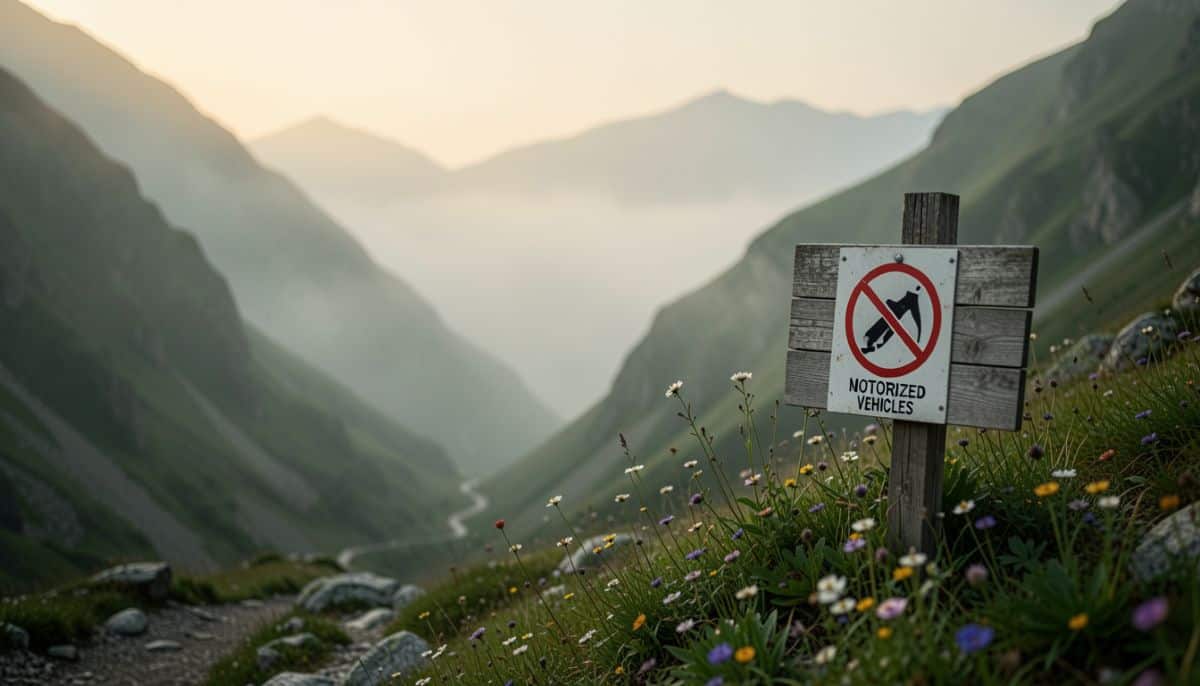
Image generated with Ai
The pristine wilderness of the Carpathians is currently facing an unprecedented environmental threat from the proliferation of unregulated off-road vehicle activity. For adventure seekers and nature enthusiasts alike, understanding the shifting legal landscape is now essential. As of July 2026, regional authorities in Transcarpathia and across the Carpathian region have initiated a rigorous crackdown on the use of SUVs, ATVs, and enduro motorcycles in protected zones. With new legislative initiatives pending and enforcement efforts reaching an all-time high, ignorance of these regulations can lead to substantial financial penalties or even the total confiscation of vehicles. Read this essential update to ensure your mountain exploration remains both legal and responsible.
Why Is Off-Roading Prohibited in the Carpathians?
The environmental impact of motorized vehicles in high-altitude ecosystems is profound. The soil in the Carpathians is often fragile; the heavy tread of off-road tyres causes significant compaction, which destroys native vegetation and accelerates slope erosion. When these deep ruts are created on mountainsides, they quickly become conduits for rainwater, leading to severe gully formation and a heightened risk of localized landslides.
Furthermore, the noise pollution generated by these machines disrupts the delicate balance of wildlife habitats. Rare bird species and endemic mammals are frequently driven away from their nesting and breeding grounds. The preservation of the Carpathian Biosphere and its surrounding nature reserves is now being prioritized to protect the region’s biodiversity for future generations.
Current Penalties and Legislative Shifts
For those wondering what the legal consequences are, the framework is hardening. According to the Law of Ukraine “On the Nature Reserve Fund”, entering protected areas with motorized vehicles is an administrative offence.
Advertisement
Advertisement
Currently, fines are levied based on the nature of the violation and the extent of environmental damage caused. However, the proposed legislative changes, currently under review following recent public petitions, seek to escalate these consequences significantly. Potential penalties for violators include:
Advertisement
Advertisement
- Substantial Administrative Fines: Current fines, based on non-taxable minimum incomes, are expected to rise sharply as the government seeks to deter “commercial” jeep tours.
- Vehicle Confiscation: In cases of repeated or malicious violations, authorities have been authorized to pursue the seizure of vehicles, which may be repurposed for state or defence needs.
- Damage Compensation: Beyond fines, offenders are legally required to provide financial compensation for the ecological restoration of the damaged landscape.
- License Suspension: For operators using public roads to access restricted mountain trails illegally, court-ordered suspension of driving privileges—ranging from five to seven years—is becoming a standard enforcement tool.
How Are Authorities Enforcing the Ban?
The crackdown is being executed through a multi-pronged approach coordinated by the State Environmental Inspectorate and local national park administrations.
- Enhanced Monitoring: Camera traps are being installed at critical entrance points to restricted zones to identify vehicles in real-time.
- Joint Raids: Increased patrols, involving police and environmental inspectors, are now a daily reality in high-risk areas like Lake Svidovets and surrounding highland meadows.
- Social Media Surveillance: Authorities have begun actively investigating reports of illegal off-roading that appear on social media platforms. Videos depicting “extreme” sports in protected riverbeds or lakes are now used as evidence to track down the owners of the vehicles involved.
Responsible Tourism: Alternatives for Adventure Seekers
The ban on off-roading does not mean the end of adventure in the Carpathians. The region is pivotally shifting toward sustainable tourism. Many former jeep tour routes have been re-established as official hiking and mountain biking trails, providing a more immersive way to experience the mountain peaks. By utilizing designated public roads and sticking to marked paths, travelers can enjoy the beauty of Transcarpathia without contributing to the degradation of these vital ecosystems.
People Also Ask:
- Are all off-road vehicles banned in the Carpathians? Private mechanical vehicles are banned from moving outside public roads within the nature reserve fund. Exceptions exist only for forestry workers, rescuers, and security forces.
- What should I do if I see illegal off-roading? Authorities encourage the public to document such activities and report them to the local State Environmental Inspectorate or the administrations of nearby national parks.
- Will the ban affect standard car travel in the region? No. Standard vehicle travel on public roads, highways, and designated tourist infrastructure remains unaffected. The restrictions strictly target off-road usage in protected natural zones.
Advertisement
