
Mongolia’s Ölgii and Ulaanbaatar Strengthen Adventure Travel Gateway to the Remote Altai Mountains

Updated
Published
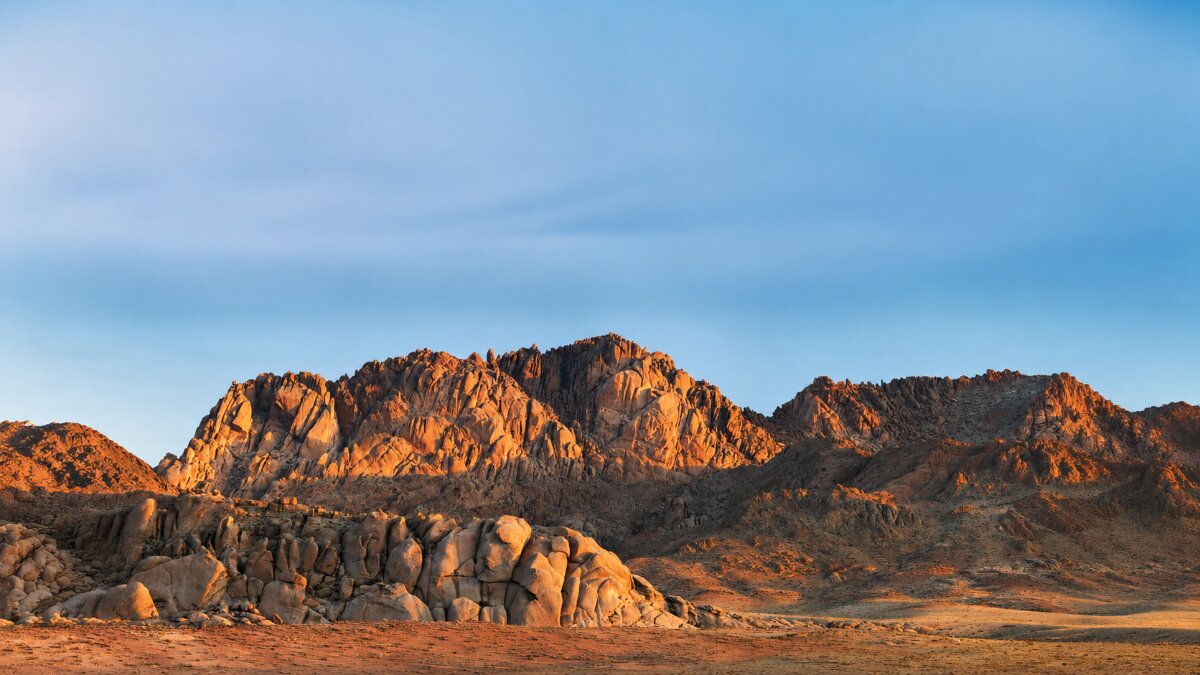
Mongolia’s western city of Ölgii is gaining strategic importance as the access point for international adventure travellers seeking the remote Altai Mountains, where high-altitude trekking, glacier exploration, wildlife encounters and Kazakh nomadic culture create a rare low-density tourism experience. Connected through Mongolia’s national gateway city Ulaanbaatar, Ölgii provides the operational bridge between global travellers and Altai Tavan Bogd National Park, one of Mongolia’s most significant protected wilderness destinations. The emerging opportunity is centred on premium adventure tourism, community-based experiences and sustainable travel rather than mass tourism expansion.
Mongolia’s Western Wilderness Gains Attention As Ölgii Becomes The Gateway To Altai Adventure Travel
Mongolia’s remote western region is entering a new phase of adventure tourism development as travellers increasingly search for destinations offering untouched landscapes, cultural depth and limited visitor density. At the centre of this movement is Ölgii, the capital of Bayan-Ölgii Province, which serves as the key arrival point for journeys into the Altai Mountains.
Advertisement
Advertisement
Unlike traditional mountain destinations that are already heavily commercialised, the Altai region offers a different model built around wilderness access, local communities and expedition-style travel. The destination combines mountain trekking, horseback journeys, wildlife observation, ancient archaeological landscapes and encounters with Kazakh nomadic traditions.
The opportunity for Mongolia is not simply attracting more visitors. It is creating a higher-value adventure tourism ecosystem where longer stays, specialist guides, local accommodation providers and community experiences generate economic benefits while protecting fragile landscapes.
Advertisement
Advertisement
Official tourism platforms highlight Altai Tavan Bogd National Park as one of western Mongolia’s major nature destinations, covering 636,161 hectares of protected terrain with glaciers, alpine valleys, rivers, lakes and mountain ecosystems.
Advertisement
Advertisement
Why Ölgii Matters For Mongolia’s Next Adventure Tourism Chapter
Ölgii’s importance comes from geography.
Located in Mongolia’s far west, the city provides access to some of the country’s most remote attractions. Travellers heading towards Altai Tavan Bogd National Park generally use Ölgii as the starting point before continuing by road into mountain areas.
The city is closely connected with the cultural identity of Bayan-Ölgii Province, where Kazakh heritage plays a major role in local tourism experiences. Adventure itineraries from Ölgii often combine wilderness activities with cultural activities involving traditional lifestyles, eagle hunting heritage and nomadic communities.
Ölgii’s Tourism Gateway Role
| Feature | Importance For Travellers |
|---|---|
| Provincial capital of Bayan-Ölgii | Main service centre for western Mongolia visitors |
| Access point to Altai Tavan Bogd | Starting location for mountain expeditions |
| Kazakh cultural heritage | Adds cultural depth beyond outdoor activities |
| Local guides and operators | Supports authentic regional experiences |
| Connection with Ulaanbaatar | Links international arrivals with western adventures |
The city therefore represents more than a stopover. It functions as the connection point between Mongolia’s international tourism network and one of Asia’s least crowded adventure regions.
Altai Tavan Bogd Creates A Rare Combination Of Mountains, Culture And Wilderness
The strongest attraction connected with Ölgii is Altai Tavan Bogd National Park.
Advertisement
Advertisement
The protected area includes some of Mongolia’s most dramatic landscapes, including snow-covered peaks, glaciers, high mountain valleys and alpine lakes. The park contains Khüiten Uul, Mongolia’s highest mountain peak, reaching 4,374 metres above sea level.
For adventure travellers, the destination offers experiences including:
| Adventure Experience | Tourism Opportunity |
|---|---|
| High-altitude trekking | Multi-day wilderness journeys |
| Mountain climbing | Expedition tourism |
| Glacier exploration | Specialist adventure travel |
| Horse trekking | Traditional Mongolian travel experiences |
| Wildlife observation | Nature-based tourism |
| Cultural visits | Community-led tourism |
The region also supports wildlife habitats containing species such as argali sheep, ibex, deer and important bird species.
This combination gives Mongolia a competitive advantage in the growing global market for experience-driven travel. Many travellers are now seeking destinations where natural landscapes and local cultures remain central to the journey.
Ulaanbaatar Connects Global Travellers With Mongolia’s Remote West
While Ölgii is the immediate gateway to the Altai Mountains, Ulaanbaatar remains the country’s primary international tourism hub.
Advertisement
Advertisement
Most overseas visitors entering Mongolia begin their journey through the capital before continuing towards regional destinations. This creates a two-city tourism structure:
| City | Tourism Function |
|---|---|
| Ulaanbaatar | International arrival, national tourism hub, onward connections |
| Ölgii | Western Mongolia gateway, adventure departure point |
The relationship between both cities is important for adventure tourism growth because remote destinations require strong connections between international access points and regional gateways.
Mongolia’s tourism statistics platform recorded 734,273 foreign visitors in 2026 up to September, showing continued international demand for the country as a destination.
However, western Mongolia remains focused on attracting travellers interested in specialised experiences rather than competing with mass tourism destinations.
The New Opportunity: Moving From Expedition Travel To Sustainable Adventure Tourism
Historically, the Altai Mountains attracted mainly specialist explorers, mountaineers and experienced adventure travellers.
Advertisement
Advertisement
The next opportunity is expanding the market towards:
- premium adventure travellers
- small-group expeditions
- nature photographers
- cultural travellers
- sustainable tourism visitors
The shift reflects a wider global travel trend where visitors increasingly value authenticity, environmental responsibility and meaningful local interaction.
For Mongolia, this creates opportunities for:
- local guide training
- improved visitor services
- community accommodation
- regional transport development
- conservation-linked tourism programmes
The challenge is maintaining the character that makes the destination attractive.
Unlike crowded mountain destinations, the Altai Mountains’ appeal depends on open landscapes, cultural authenticity and limited development pressure.
Advertisement
Advertisement
Adventure Tourism Infrastructure Remains The Key Growth Factor
The future success of western Mongolia depends on improving tourism infrastructure while preserving the region’s remote identity.
Important areas include:
| Development Area | Importance |
|---|---|
| Regional transport links | Easier access from Ölgii to adventure areas |
| Guide training | Improves safety and visitor experience |
| Sustainable camps | Supports longer stays |
| Digital travel information | Helps international planning |
| Conservation management | Protects natural resources |
Adventure travellers visiting the region need detailed preparation because journeys often involve long distances, limited facilities and challenging terrain.
Official tourism information for Altai Tavan Bogd routes highlights multi-day trekking programmes involving mountain camps, hiking sections and travel through remote landscapes.
Why Global Tour Operators Should Watch Mongolia’s Altai Region
For international travel companies, Ölgii represents an emerging opportunity in a specialised market.
Advertisement
Advertisement
The destination aligns with several growing travel segments:
| Market Segment | Opportunity |
|---|---|
| Adventure travel | Trekking and mountain expeditions |
| Cultural tourism | Kazakh heritage experiences |
| Sustainable tourism | Low-impact wilderness travel |
| Luxury expedition travel | Exclusive remote journeys |
| Photography tourism | Landscapes and wildlife |
The region is particularly suitable for boutique operators offering carefully designed itineraries rather than high-volume packages.
Operational Takeaways For Travel Agents And Tour Operators
- Build itineraries around Ölgii as the gateway city before entering Altai Tavan Bogd National Park.
- Combine adventure activities with Kazakh cultural experiences to increase itinerary value.
- Prepare travellers for remote conditions, long road journeys and limited infrastructure.
- Promote small-group and sustainable travel models rather than mass tourism products.
- Include seasonal planning because mountain conditions influence trekking and expedition activities.
- Work with local guides familiar with western Mongolia’s terrain and communities.
- Highlight Ulaanbaatar connections when designing international packages.
- Communicate the remote nature of the destination clearly before booking.
Mongolia’s Altai Mountains Could Become A Defining Adventure Destination For The Next Generation Of Travellers
The rise of Ölgii as the gateway to western Mongolia represents a broader transformation in global adventure tourism. Travellers are increasingly moving away from crowded destinations and searching for places where landscapes, cultures and communities remain deeply connected.
Mongolia’s Altai Mountains offer exactly this combination: dramatic wilderness, indigenous heritage and authentic exploration.
The long-term opportunity is not simply increasing visitor numbers. It is building a responsible adventure tourism model where Ölgii, Ulaanbaatar and local communities work together to connect global travellers with one of Asia’s most extraordinary remote landscapes.
Advertisement
