
Seattle Scores $889 Million Tourism Victory As FIFA World Cup 2026 Boosts Economy And Global Travel Appeal

Updated
Published
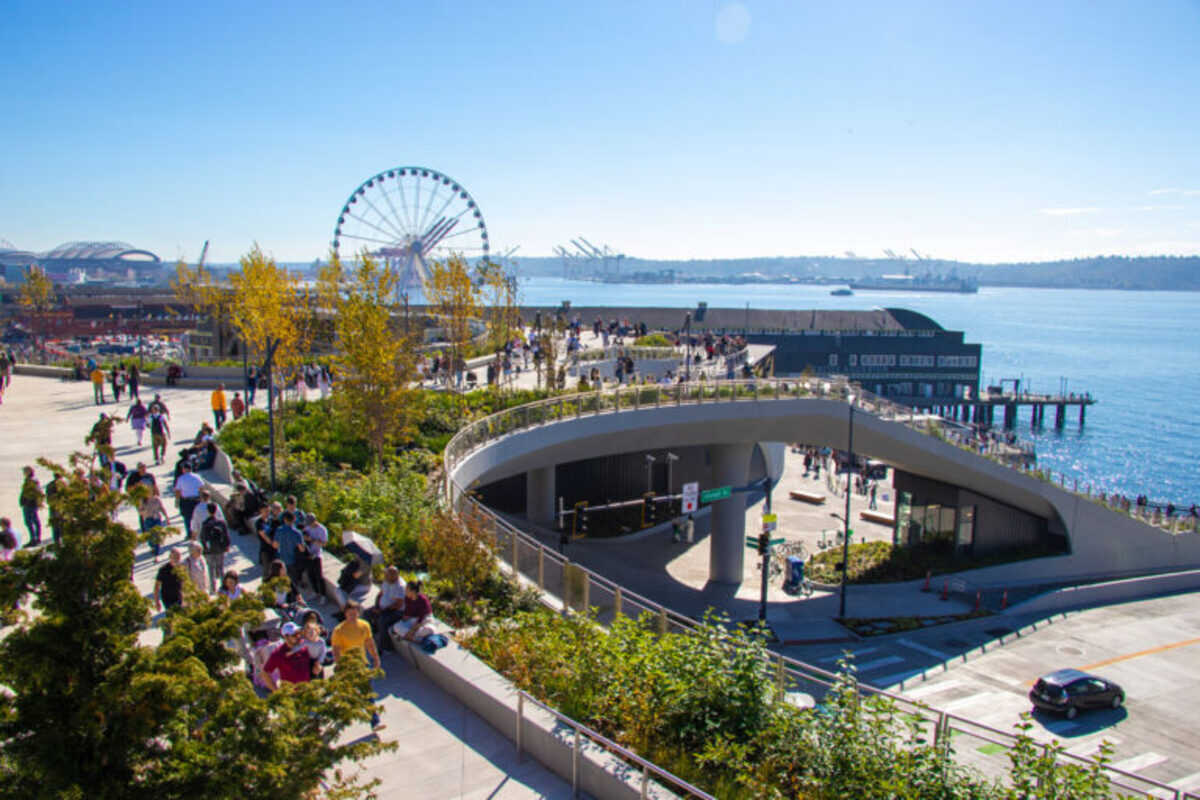
Hosting World Cup matches has already benefited the Seattle economy to the tune of hundreds of millions of dollars. The region has started to establish itself as an international tourist destination. Almost a month has passed since World Cup matches have been played but venues in the city are still filled with crowds of tourists and visitors who have come to Seattle to enjoy the city’s famous events and get a taste of the city’s famous hospitality.
Over a 22-day period, Seattle transformed into a worldwide sporting hub, welcoming football supporters from different countries and gaining international visibility through extensive coverage from major global publications. The tournament placed the city in the spotlight, showcasing its attractions, hospitality infrastructure and ability to manage a large-scale international event.
According to Visit Seattle’s latest economic assessment, the FIFA World Cup 2026 created an estimated $889 million economic impact across Seattle and King County. The figure reflects spending generated through visitor activity, hospitality services, transportation, entertainment, dining and other tourism-related sectors during the tournament period.
The event also delivered significant public financial benefits, producing approximately $109 million in state and local tax revenue. These funds contribute towards essential community services, including housing initiatives, social programmes, cultural projects and other government-supported activities.
Advertisement
Advertisement
Beyond direct spending, the tournament supported approximately 20,000 jobs, highlighting the wider employment influence of international sporting events. Hospitality workers, tourism businesses, restaurants, transportation providers and event-related services all benefited from increased visitor activity.
Advertisement
Advertisement
Seattle’s World Cup Success Highlights The Power Of Global Events
The economic results demonstrate how major international events can create wider opportunities for destinations. Seattle’s hospitality industry played a central role in supporting visitors, managing increased demand and delivering experiences for fans arriving from around the world.
While the overall economic outcome was positive, the impact across individual businesses varied throughout the tournament. Some hotels, restaurants and attractions experienced exceptionally strong periods, with certain businesses recording some of their busiest days and weeks of the year.
However, not every segment saw the same level of growth. Some hospitality operators reported lower sales compared with previous years due to shifts in travel patterns. Certain visitor groups, including cruise travellers and convention delegates, were affected as resources and accommodation availability were influenced by World Cup-related demand.
The hotel sector experienced a mixed performance. Occupancy levels were lower compared with the same period in the previous year, partly due to changes in broader travel behaviour. However, increased room rates helped hotels achieve higher overall revenue despite lower occupancy figures.
The tournament also demonstrated the importance of pricing strategies, visitor management and destination planning when cities prepare for large-scale global events.
Advertisement
Advertisement
International Fans And Extra Matches Increase Seattle’s Economic Gains
The final economic impact exceeded earlier forecasts as visitor numbers and spending patterns performed better than initially expected.
Before the tournament schedule was confirmed, Visit Seattle projected an economic contribution of around $929 million in December 2024. A revised forecast issued in March reduced the estimate to approximately $846 million, following adjustments linked to expected international visitor numbers and changes in tournament-related investment.
The final result surpassed the revised projection because international attendance was stronger than anticipated. More overseas supporters travelled to Seattle for matches, while large crowds also participated in public watch parties and community celebrations.
An additional factor contributing to the higher impact was the inclusion of a second United States men’s national team match in Seattle’s schedule. The extra fixture increased visitor interest, extended tourism activity and created additional opportunities for local businesses.
The tournament’s success showed how sporting events can generate benefits beyond stadium attendance. Fan zones, cultural activities, restaurants, hotels and attractions all became part of the wider visitor experience.
Advertisement
Advertisement
FIFA World Cup 2026 Leaves A Lasting Tourism Legacy For Seattle
The impact of the FIFA World Cup is expected to continue beyond the tournament period. Seattle gained international exposure at a time when destinations worldwide compete for future travellers, business events and tourism investment.
The event helped strengthen awareness of Seattle as a city capable of hosting major global gatherings. Increased international visibility may support future visitor demand by encouraging travellers who discovered the region through World Cup coverage to return for leisure, business or cultural experiences.
The tournament also contributed to more than 35 long-term legacy projects, creating lasting improvements connected to community development, infrastructure, tourism readiness and regional engagement.
The successful delivery of the event required cooperation between tourism organisations, local businesses, government agencies, community groups and event partners. Their combined efforts helped position Seattle as a welcoming destination for global audiences.
The economic impact analysis was prepared through Tourism Economics, a division of Oxford Economics specialising in travel and tourism research. The organisation uses traveller behaviour data, economic modelling techniques and industry expertise to measure the effects of major events on local economies.
Advertisement
Advertisement
Seattle’s World Cup Moment Strengthens Its Future Tourism Potential
The FIFA World Cup 2026 represented more than a short-term tourism boost for Seattle. It created a platform for long-term destination growth by introducing millions of potential travellers to the city’s attractions, culture and hospitality experiences.
The nearly $900 million economic contribution reflects the scale of opportunity created when international events connect visitors with local communities. From hotels and restaurants to cultural venues and tourism operators, the tournament created a broad economic network across the region.
Although the hospitality impact varied between sectors, the overall results underline the importance of strategic event planning and destination promotion. Seattle successfully used its World Cup hosting opportunity to showcase its capabilities on a global stage.
As international visitors continue to discover Seattle following the tournament, the city is expected to benefit from increased recognition, stronger tourism appeal and continued interest from travellers seeking memorable experiences in the Pacific Northwest.
Advertisement
