
Greece Tourism Enters a New Phase as Travellers Seek Value Authenticity and Lesser Known Destinations: All You Need to Know

Published
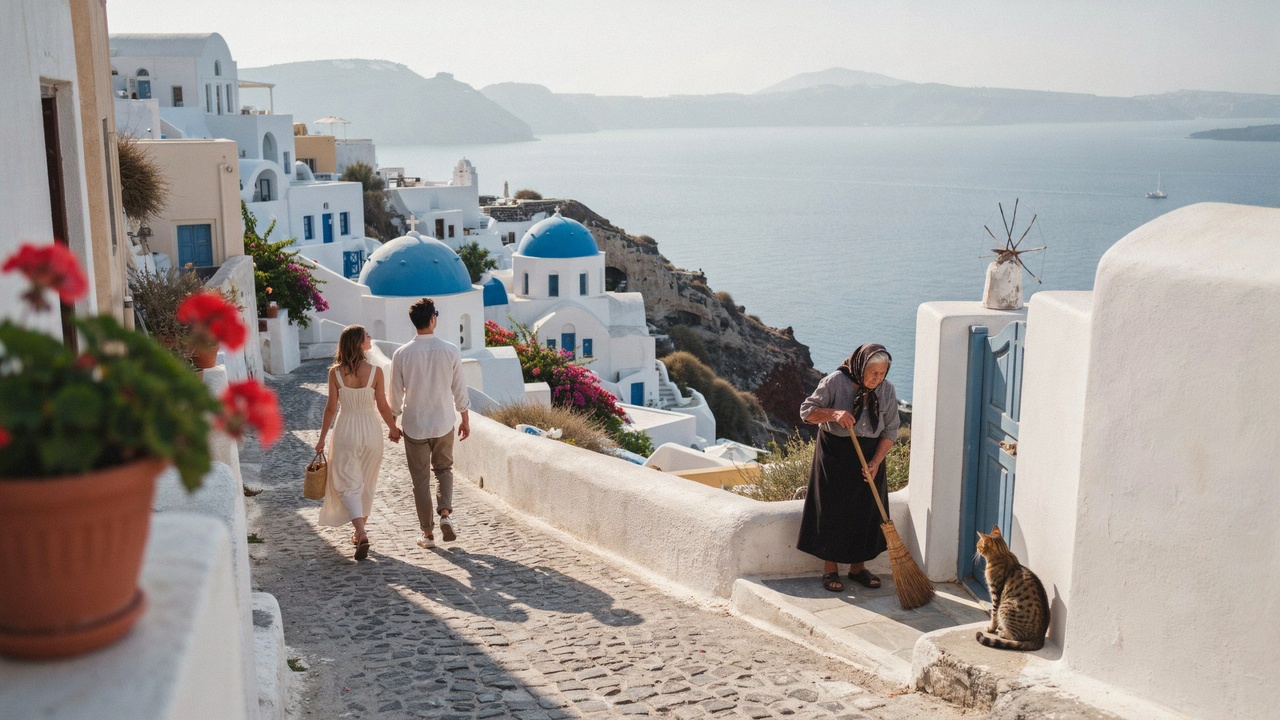
Greece remains one of Europe’s most attractive holiday destinations, but the country’s tourism industry is entering a period of transformation as international travellers adjust their spending habits, expectations and holiday choices. The traditional model of peak-season island holidays is being challenged by growing demand for authentic experiences, better value, shorter stays and alternative destinations beyond the most famous locations.
The shift is encouraging Greece to expand its tourism offering beyond crowded summer hotspots. Cities, mainland regions, cultural routes, wellness experiences and lesser-known islands are gaining attention as travellers search for more meaningful journeys.
While demand for Greece remains strong, the sector is increasingly focused on maintaining competitiveness by improving infrastructure, extending the travel season and creating experiences that appeal to changing global preferences.
Why are traveller habits changing across Greece’s tourism market?
Greece has traditionally attracted millions of visitors through its iconic combination of islands, beaches, ancient heritage and Mediterranean lifestyle. However, global travel behaviour has become more complex in recent years.
Advertisement
Advertisement
Travellers are increasingly considering:
Advertisement
Advertisement
| Changing Traveller Preference | Impact on Greece Tourism |
|---|---|
| Value-conscious holidays | Visitors compare prices and seek better experiences |
| Shorter trips | Destinations must offer more efficient travel experiences |
| Authentic culture | Smaller communities gain visitor interest |
| Off-season travel | Greece promotes year-round tourism |
| Sustainable choices | Visitors look for responsible experiences |
The change does not indicate declining interest in Greece. Instead, it reflects a wider international movement where travellers are becoming more selective about where they spend money and how they experience destinations.
European tourism trends have also shown stronger interest in destinations that combine cultural experiences, outdoor activities and seasonal flexibility. Greece has benefited from increased demand while adapting to changing patterns in travel duration and visitor behaviour.
How is Greece moving beyond traditional island tourism?
For decades, destinations such as Santorini, Mykonos, Rhodes and Crete have represented Greece’s global tourism image. These locations continue to attract visitors, but tourism authorities and local regions are increasingly promoting alternative experiences.
Advertisement
Advertisement
New growth areas include:
| Destination Type | Examples | Main Appeal |
|---|---|---|
| Historic cities | Athens, Thessaloniki | Culture, museums and urban experiences |
| Mountain regions | Epirus, Pelion | Nature and adventure |
| Smaller islands | Naxos, Milos, Tinos | Authentic island life |
| Mainland coastlines | Peloponnese, Halkidiki | Beaches with fewer crowds |
| Wellness destinations | Various regions | Relaxation and slow travel |
Athens has developed into more than a gateway city. Visitors are increasingly combining the capital’s ancient heritage with food tourism, neighbourhood experiences and cultural events before travelling elsewhere in the country.
Advertisement
Advertisement
The Greek tourism strategy has increasingly highlighted diversification to spread economic benefits across more regions and reduce pressure on heavily visited destinations.
What challenges are creating pressure for Greece tourism?
The growth of tourism has created significant opportunities for Greece, but it has also increased pressure on destinations, businesses and local communities.
Key challenges include:
| Challenge | Tourism Impact |
|---|---|
| Rising operating costs | Businesses face higher expenses |
| Infrastructure pressure | Popular areas require better facilities |
| Seasonal concentration | Heavy summer demand creates imbalance |
| Workforce shortages | Hospitality services face staffing challenges |
| Environmental concerns | Coastal and island ecosystems need protection |
The country’s most popular islands experience particularly high visitor concentration during the summer months. This has encouraged discussions around better visitor management, sustainable development and improved planning.
The future success of Greek tourism depends not only on attracting more visitors but also on ensuring destinations can maintain quality experiences while protecting local environments.
Advertisement
Advertisement
Which Greek destinations are gaining attention from modern travellers?
As visitors search for different experiences, several Greek regions are emerging as attractive alternatives.
Athens
Athens continues to strengthen its position as a year-round destination. Beyond the Acropolis and classical heritage, the city offers contemporary culture, gastronomy, neighbourhood tourism and creative experiences.
Crete
Crete remains one of Greece’s strongest tourism destinations due to its beaches, archaeological heritage, local cuisine and outdoor activities.
Peloponnese
The Peloponnese is gaining attention among travellers seeking history, nature and coastal experiences away from larger island crowds.
Epirus
Epirus offers mountain landscapes, traditional villages, rivers and adventure tourism, attracting visitors interested in nature-based travel.
Advertisement
Advertisement
Thessaloniki
Greece’s second-largest city provides cultural tourism, culinary experiences and access to northern destinations.
These destinations support Greece’s ambition to create a more balanced tourism economy where visitors explore a wider range of regions.
How is Greece encouraging more sustainable and year-round travel?
Greece is increasingly focusing on extending tourism beyond the traditional summer period. Developing winter tourism, cultural travel, wellness holidays and outdoor experiences has become an important part of destination planning.
The country is promoting:
- Archaeological tourism
- Culinary experiences
- Hiking and nature tourism
- Religious and cultural journeys
- Wellness travel
- Maritime experiences
This approach helps distribute visitor numbers more evenly while creating new economic opportunities for communities outside major tourism centres.
Advertisement
Advertisement
Official tourism promotion continues to highlight Greece’s diverse landscapes, heritage sites and regional experiences to attract travellers throughout the year.
How are businesses adapting to changing visitor expectations?
Hotels, restaurants and tourism operators across Greece are adjusting their services to match new traveller priorities.
Businesses are increasingly investing in:
| Tourism Upgrade | Visitor Benefit |
|---|---|
| Digital services | Easier booking and communication |
| Local experiences | More authentic holidays |
| Sustainable practices | Responsible travel choices |
| Flexible packages | Better value for visitors |
| Wellness facilities | New travel motivations |
Modern travellers are looking for more than accommodation. They want memorable experiences connected with local culture, food, nature and communities.
This shift is encouraging Greek destinations to focus on quality tourism rather than relying only on visitor volume.
Advertisement
Advertisement
What does the future of Greek tourism look like?
Greece’s tourism future will likely depend on adaptation. The country has strong global recognition, natural beauty and cultural heritage, but traveller expectations are changing rapidly.
The next phase of Greek tourism is expected to focus on:
- More regional exploration
- Longer tourism seasons
- Sustainable destination management
- Improved visitor experiences
- Stronger connections between cities and rural areas
Tourism remains a major contributor to Greece’s economy, with official statistics showing the country continues to attract substantial international visitor demand.
Rather than competing only through famous islands and summer holidays, Greece is building a broader tourism identity based on culture, authenticity and diverse experiences.
Frequently Asked Questions
1. Is Greece still a popular holiday destination?
Yes. Greece remains one of Europe’s leading tourism destinations, attracting visitors through its islands, heritage, food culture and natural landscapes.
Advertisement
Advertisement
2. Are travellers moving away from Greek islands?
Travellers are not abandoning Greek islands, but many are exploring additional destinations such as mainland regions, smaller islands and cultural locations.
3. What are the best alternatives to Santorini and Mykonos?
Travellers looking for quieter experiences can consider destinations such as Naxos, Tinos, Peloponnese, Epirus and mainland coastal regions.
4. Is Greece becoming more expensive for tourists?
Some travellers have reported concerns about rising prices, encouraging visitors to compare options and seek destinations offering stronger value.
5. When is the best time to visit Greece?
Spring and autumn are increasingly attractive because they offer pleasant weather, fewer crowds and opportunities for cultural and outdoor activities.
6. What type of tourism is growing in Greece?
Cultural tourism, nature tourism, wellness travel and authentic local experiences are gaining importance alongside traditional beach holidays.
Advertisement
Advertisement
7. Can Greece handle more tourists in the future?
Future growth will depend on sustainable planning, infrastructure improvements and better management of popular destinations.
Conclusion
Greece tourism is entering a new chapter shaped by changing traveller expectations and evolving global travel patterns. The country’s famous islands continue to attract visitors, but the future is expanding towards authentic communities, cultural journeys, nature experiences and year-round exploration. By balancing growth with sustainability and innovation, Greece is positioning itself for a more diverse and resilient tourism future.
Advertisement
