
Cambodia’s Historic West Mebon Temple Captures the Tourism Spotlight as Visitors Arrive Ahead of November Opening

Published
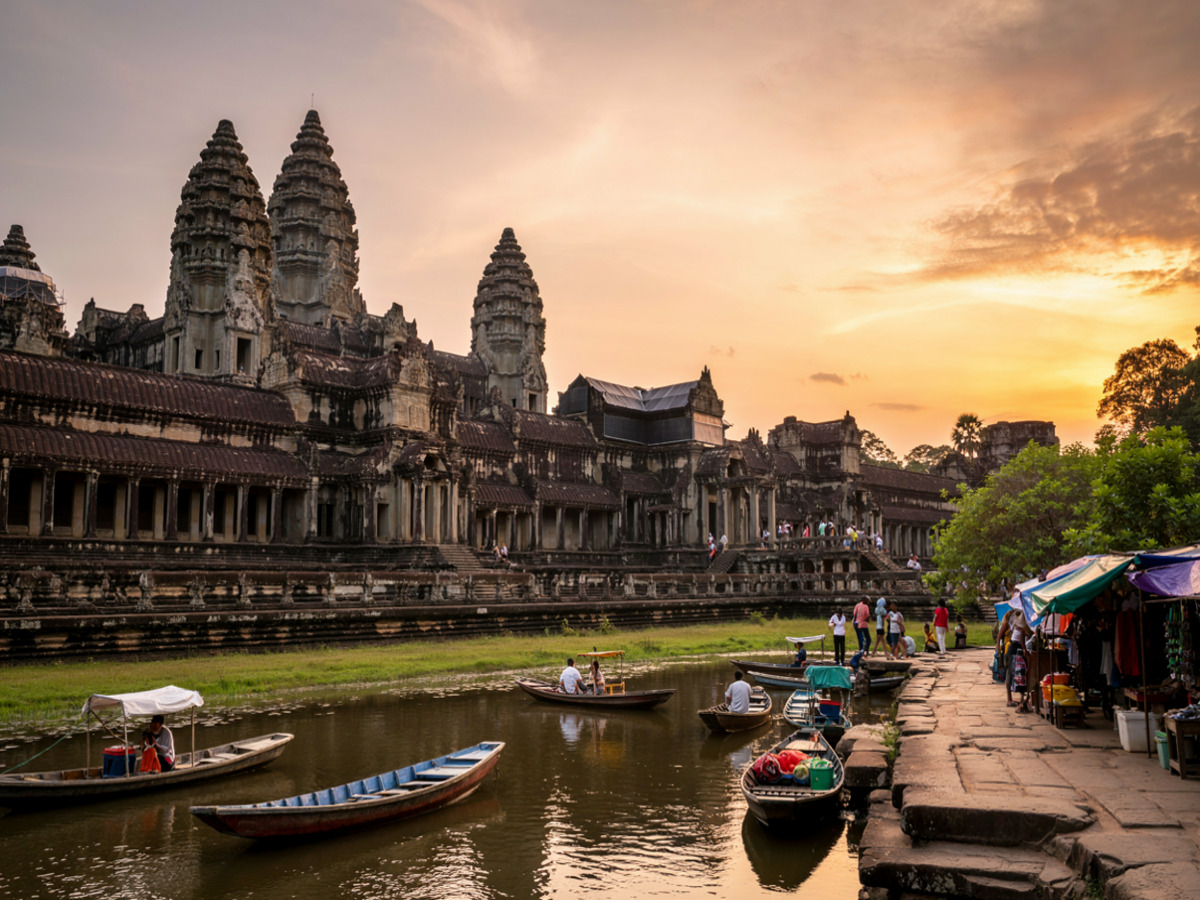
Cambodia’s West Mebon Temple Attracts Tourists After the Completion of Restoration Ahead of Opening in November.
Cambodia’s West Mebon temple is set to see the arrival of eager tourists after its completion of restoration and preparation for opening in November. The ancient monument complex located on an island in the middle of West Baray reservoir in the Angkor region is already attracting its share of history buffs who have come to see the temple complex on its own terms. The accomplishment is not only a significant step for Cambodia in terms of cultural preservation but also an opportunity to visit one of the Angkor’s unique historical sites.
West Mebon Temple Restoration Reaches Completion Ahead of November Opening
The restoration of West Mebon Temple has officially concluded, marking a significant achievement in Cambodia’s ongoing efforts to protect its ancient architectural heritage. The project has helped recover the historic character of a monument that experienced extensive structural damage and the loss of important architectural elements over time.
With the major restoration work completed, the APSARA National Authority is concentrating on preparing the site for its formal inauguration. The remaining activities involve cleaning the temple grounds, organising surrounding areas and improving the overall environment.
Advertisement
Advertisement
These preparations aim to ensure that the restored monument is ready for visitors when its official opening takes place in November 2026. The completed project also represents an important development in the wider conservation of the Angkor archaeological landscape.
Tourists Begin Exploring the Restored Angkor Landmark Before Official Reopening
Although the formal opening is still approaching, West Mebon Temple has already started attracting visitors interested in discovering its restored architectural features. Tourists are visiting the historic site, taking photographs and exploring its distinctive surroundings.
Advertisement
Advertisement
The early interest highlights the temple’s appeal as a cultural attraction within Cambodia’s wider Angkor tourism landscape. Its ancient architecture, combined with its unusual island location, provides a different experience from many of the region’s better-known temples.
The November inauguration will mark the official public opening following restoration, while the current visitor activity demonstrates growing attention towards the monument ahead of that occasion.
Advertisement
Advertisement
West Baray Island Location Creates a Unique Tourism Experience
West Mebon Temple occupies an exceptional position on an island at the centre of the West Baray reservoir, one of the remarkable historical water structures associated with Angkor. The reservoir dates to the 11th century and forms an important part of the region’s ancient landscape.
Unlike temples surrounded primarily by forests or archaeological grounds, West Mebon stands within an expansive waterside environment. The surrounding reservoir creates striking views that distinguish the monument from other attractions.
Its island setting offers travellers an opportunity to experience Cambodia’s architectural heritage alongside the natural beauty of the Angkor landscape, making the restored temple particularly appealing to photography enthusiasts and cultural explorers.
Ancient Architecture and Scenic Beauty Strengthen Visitor Appeal
West Mebon Temple combines historical architecture with a distinctive landscape that changes throughout the day. Its restored structural features reveal the character of the ancient monument, while the surrounding water creates an atmospheric backdrop for sightseeing and photography.
Advertisement
Advertisement
Morning sunlight brings softer colours to the temple and reservoir, while the changing light during the afternoon reveals different details of the stone structures. Sunset offers another perspective, with the surrounding landscape taking on warmer tones.
These visual qualities strengthen West Mebon’s appeal as a destination for travellers seeking cultural experiences beyond Cambodia’s most frequently visited archaeological attractions.
French and Cambodian Cooperation Delivers Major Conservation Achievement
The restoration represents an important example of international cooperation in protecting Cambodia’s historical monuments. Cambodian conservation authorities worked with French partners to address the structural challenges facing West Mebon Temple.
France supported the conservation programme through technical and financial cooperation, while restoration activities also involved the APSARA National Authority and French archaeological expertise. The project formed part of broader international efforts to safeguard the Angkor archaeological landscape.
The conservation work aimed to recover the monument’s historic appearance while protecting surviving architectural elements. Its completion demonstrates the importance of sustained international collaboration in preserving ancient structures for future generations.
Restoration Overcomes Challenges at Historic Island Monument
Restoring West Mebon presented unusual technical challenges because of its location within a major reservoir. Conservation teams needed to consider water conditions while carrying out work on the historic structure.
Advertisement
Advertisement
Official conservation documentation explains that the project required measures to maintain dry working conditions around the island when the reservoir contained water. This added complexity to archaeological investigations, structural consolidation and restoration activities.
The monument had also suffered considerable deterioration, with substantial portions of its original structure lost over time. The completed restoration therefore represents more than an improvement in appearance. It is an important intervention intended to protect the remaining historical fabric and strengthen the monument’s long-term preservation.
West Mebon Temple Reflects Cambodia’s Rich Angkor Heritage
West Mebon is historically associated with the worship of Vishnu and occupies the geometrical centre of the West Baray reservoir. This relationship between religious architecture and water infrastructure reflects the sophisticated planning of the ancient Khmer civilisation.
The temple’s significance extends beyond its individual architectural features. Its location demonstrates how religious monuments formed part of a larger landscape shaped by engineering, spiritual traditions and urban development.
For travellers, understanding this historical relationship can make a visit more meaningful. West Mebon provides an opportunity to explore the connection between Cambodia’s ancient religious heritage and the water systems that helped define Angkor’s development.
November 2026 Reopening Marks Important Heritage Tourism Milestone
West Mebon Temple is scheduled for official inauguration and public opening in November 2026, following the completion of its restoration.
Advertisement
Advertisement
The upcoming event will represent a significant moment for Cambodia’s heritage conservation programme, bringing renewed attention to a monument that has undergone extensive rehabilitation.
The reopening is also expected to strengthen the range of cultural attractions available to tourists exploring the Angkor region. Visitors interested in ancient architecture, historical conservation and distinctive landscapes will have another restored monument to consider.
However, the exact inauguration date, ticket arrangements and any visitor access restrictions have not yet been confirmed in the information available.
The completion of West Mebon Temple’s restoration carries wider significance for Cambodia’s tourism industry. Heritage attractions play an important role in encouraging visitors to explore the country’s historical identity and discover destinations beyond its most internationally recognised landmarks.
West Mebon’s return to public attention could help diversify sightseeing experiences within the Angkor region. Its combination of restored architecture, island scenery and archaeological importance provides an additional reason for culturally motivated travellers to explore the area.
The project also demonstrates how conservation investment can support tourism development without overlooking the need to protect fragile historical structures.
Advertisement
Advertisement
Travellers planning to explore West Mebon Temple should consider its island location and the ongoing preparations for its official opening.
The temple lies within the West Baray reservoir in the Angkor region of Cambodia. Visitors can appreciate its scenic surroundings and historic architecture, although access arrangements may change as authorities complete their preparations.
Tourists should check official announcements from the APSARA National Authority before planning a visit, particularly for confirmation of the November inauguration date, permitted access areas and any applicable admission requirements.
Photography enthusiasts may find the changing daylight especially appealing, while heritage travellers can benefit from learning about the monument’s religious and architectural history.
Cambodia’s Restored West Mebon Temple Enters a Promising New Chapter
The completed restoration of West Mebon Temple marks an important step in protecting Cambodia’s ancient heritage while creating fresh opportunities for cultural tourism.
With visitors already showing interest and its official reopening approaching in November 2026, the historic island monument is returning to prominence within the Angkor landscape.
Advertisement
Advertisement
Its restored architecture, remarkable reservoir setting and historical significance offer a compelling combination for travellers seeking a deeper understanding of Cambodia’s past.
Cambodia’s historic West Mebon Temple is drawing growing tourist attention as visitors arrive early, driven by its completed restoration and the anticipation surrounding its official November opening.
As final preparations continue, West Mebon Temple stands as an example of how heritage preservation can reconnect historic landmarks with modern visitors while safeguarding their cultural value for generations to come.
Advertisement
