
Bali’s Monsoon Season Readiness, Protecting Tourists and Ensuring Smooth Travel Experiences, Here’s All You Need to Know

Published
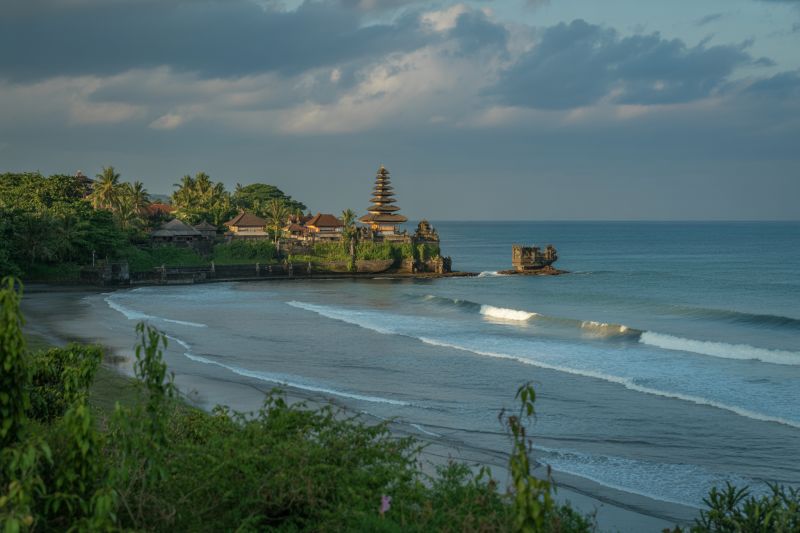
Image generated with Ai
With the rainy season just around the corner, Bali’s tourism industry is preparing for what may be one of the most difficult rainy seasons in a long time. After 70 years the island’s worst flooding took place in late September 2025. Sever weather response and the safety of residents and tourists is a top local government priority. This includes the local government preparing for the off rainy season, the peak of which is expected in January and February 2026, and improving flood response and rainy season tourism sustainability.
Bali’s Monsoon Challenges: A History of Flooding and Future Risks
Bali is no stranger to seasonal weather challenges, but the monsoon season in 2025 is predicted to be particularly intense. While rainfall typically begins in late October or early November, the island has already experienced extreme weather conditions. The flooding in September 2025, particularly in areas like Denpasar, Kuta, Seminyak, Canggu, and Ubud, served as a wake-up call for local authorities. Tens of thousands of families were affected by the widespread damage, and popular tourist destinations saw significant disruptions due to the heavy rains and floodwaters.
Advertisement
Advertisement
The Indonesian Meteorology, Climatology, and Geophysics Agency (BMKG) has forecasted the highest rainfall levels between January and February 2026, with the possibility of flash floods and landslides in areas prone to heavy precipitation. This heightened concern has prompted Bali’s local government to take proactive measures to ensure the safety and resilience of both the population and the tourism industry.
Steps Taken by Bali’s Local Authorities: Proactive Disaster Mitigation
In response to the warnings and challenges posed by the approaching monsoon season, Governor Wayan Koster of Bali has prioritized disaster preparedness. His administration has launched a comprehensive initiative to strengthen flood control measures and ensure that local tourism businesses are prepared for potential disruptions.
Advertisement
Advertisement
Governor Koster emphasized the importance of collaboration between local governments, technical agencies, and the public in mitigating the effects of the monsoon season. “Our goal is to ensure that Bali remains a safe and attractive destination for visitors, while simultaneously preserving our environment and heritage,” said Governor Koster during a meeting with local officials.
Flood Control and River Management: Essential Measures for Mitigation
One of the key strategies to protect the island from flooding is the management and maintenance of Bali’s rivers. Local authorities are focusing on mapping areas that are particularly vulnerable to flash floods and landslides. Special attention is being given to rivers and water sources, including the Ayung, Badung, Mati, and Unda watersheds, which have been identified as critical areas requiring immediate intervention.
Advertisement
Advertisement
The Bali government has ordered the cleaning and clearing of debris from rivers, as well as the restoration of deforested areas to prevent soil erosion. In addition, local officials are considering the demolition of buildings that violate zoning laws along riverbanks, further ensuring that the region’s natural flood defenses are maintained. These measures aim to protect both residents and tourists from the immediate dangers posed by intense weather conditions.
Improvements to Infrastructure and Tourism Services
Alongside the flood control efforts, the Bali government is working to improve infrastructure to support both tourism and local communities during the monsoon season. The development of disaster-resilient infrastructure, including stormwater drainage systems and flood barriers in key tourist areas, is essential for reducing the risk of disruption. Moreover, the establishment of disaster response teams and communication channels will help keep both residents and tourists informed and safe.
In addition to infrastructure improvements, the local tourism sector is undergoing its own transformation in anticipation of the monsoon season. Local businesses are being encouraged to adopt sustainable practices that will reduce environmental impact, especially in vulnerable regions. Accommodations and tour operators are also being advised to prepare their guests for potential weather disruptions and ensure that their services remain operational during the rainy season.
Travel Advisory for Tourists: Preparing for the Monsoon Season in Bali
Tourists planning to visit Bali between October 2025 and April 2026, especially those traveling in the peak months of January and February, are urged to prepare for possible extreme weather events. The local government is advising tourists to be cautious and take necessary precautions to stay safe during the monsoon season. Travel insurance, particularly policies that cover natural disasters, is highly recommended. Tourists should read their policies carefully and ensure they are fully aware of how to make claims in the event of an emergency.
Travelers are also advised to stay updated on weather forecasts and follow guidance from tour operators and local authorities. Essential items such as umbrellas, raincoats, and waterproof gear are recommended for those planning outdoor activities. Visitors should also remain flexible with their travel plans and allow extra time for delays caused by weather-related disruptions, especially during flash floods.
The Impact on Bali’s Tourism Industry: Balancing Growth and Sustainability
Bali’s tourism industry has long been one of the main pillars of its economy. However, the region’s susceptibility to extreme weather poses a challenge for long-term sustainability. The rise of the coolcation trend, where tourists opt for milder climates outside the summer season, has been particularly beneficial for Bali. As the monsoon season brings cooler weather and fewer crowds, Bali can offer tourists a more peaceful, off-peak experience.
Advertisement
Advertisement
Local businesses, especially in areas like Ubud, Seminyak, and Canggu, have seen an increase in bookings during the fall and winter months, as visitors seek to enjoy the island’s natural beauty without the intense heat of the summer months. However, these regions must remain prepared for the challenges posed by the rainy season, which could deter tourists if not managed properly.
The long-term success of Bali’s tourism sector relies on striking a balance between growth and sustainability. By addressing the environmental and infrastructure challenges posed by the monsoon season, the island can continue to be a desirable destination for both adventure seekers and those looking to enjoy a quieter, more serene experience.
A Resilient Bali Tourism Sector Ready for Challenges Ahead
Before the 2025 monsoon season, Bali shows resilience and adaptability in its tourism sector. Bali addresses flooding, improves infrastructure, and plans for weather disruptions to position itself as a safe and welcoming destination to tourists 365 days a year. Though challenges remain, Bali is committed to sustainable tourism and disaster preparedness. Bali also ensures tourism thrives throughout the rainy season.
Advertisement
