
Banff, Alberta, Canada and Western United States From Hibernation to High Alert, Grizzly Bear Sightings Surge Across Popular Parks!

Published
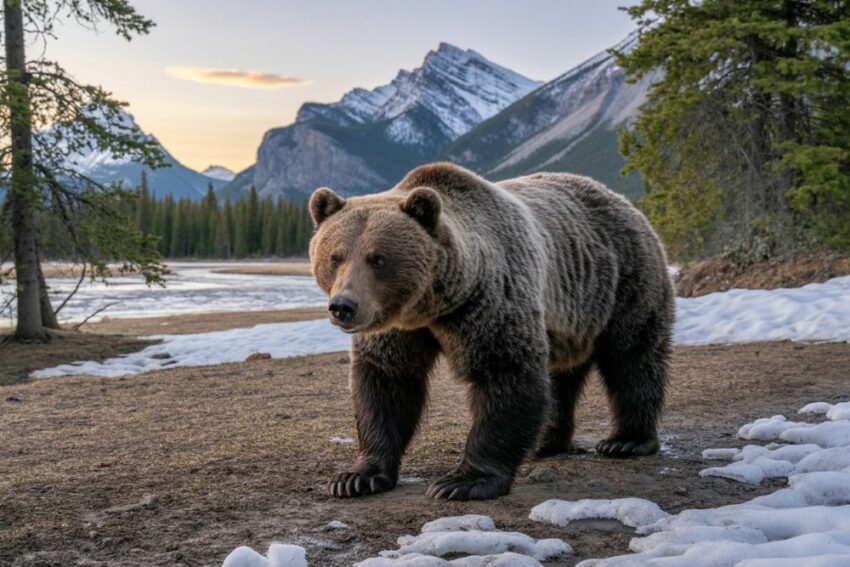
Image generated with Ai
As spring unfolds across Banff, Alberta, Canada and the Greater Yellowstone Ecosystem, USA, wildlife officials are reporting the seasonal reappearance of grizzly and brown bears following months of winter hibernation. This annual transition marks the beginning of bear season across large parts of North America, spanning protected landscapes in Canada and the United States. Authorities managing national parks and wildlife reserves confirm that early sightings have already been recorded in several regions. The return of bears is a key ecological event, signaling a shift in seasonal activity for both wildlife and human visitors to these environments.
Advertisement
Advertisement
Early Bear Activity Reported in Key Wildlife Regions
Wildlife monitoring agencies have observed initial grizzly bear movements in the Greater Yellowstone Ecosystem, one of the first areas in the Rocky Mountains where bears typically emerge each year. The region’s lower elevations and available food sources often support early spring activity. In Banff National Park, one of Canada’s most visited protected areas, a well-known grizzly identified as Boss (Bear 122) has been confirmed active after winter denning. This sighting highlights the broader return of bears across the Canadian Rocky Mountain Parks, a UNESCO World Heritage Site known for its biodiversity. Across the continent, similar patterns are emerging in regions including Alaska, Montana, Wyoming, Idaho, and Washington, where bears are leaving dens and beginning their search for food after several months of reduced activity.
Advertisement
Advertisement
Why Spring Is a Critical Time for Bear Awareness
Wildlife authorities consistently identify spring as a high-risk period for human–bear interactions. Bears that have recently emerged from hibernation are in a nutritionally stressed state, making them highly motivated to locate food sources. At the same time, warmer weather brings an increase in human activity. Hiking trails, campgrounds, and scenic routes begin to attract visitors, creating more opportunities for encounters. Government agencies such as Parks Canada, the U.S. National Park Service, and state wildlife departments emphasize that preventing conflicts is essential for both human safety and bear conservation. Bears that become accustomed to human food or close interactions are at greater risk of relocation or euthanasia.
Advertisement
Advertisement
Key Safety Guidelines for Visitors and Communities
Officials across Banff National Park, Yellowstone National Park, and other protected areas strongly promote a set of established safety practices. These guidelines are based on long-standing wildlife management policies designed to minimize risk:
- Proper food storage is essential. Visitors are advised to use bear-proof containers and avoid leaving food unattended.
- Maintaining safe distances from wildlife is critical. Observing bears from afar helps reduce stress on animals and prevents dangerous situations.
- Traveling in groups and making noise while hiking can help avoid surprising bears.
- Avoiding attractants, including garbage, pet food, and scented items, is a key preventative measure.
- Educating children about wildlife behavior ensures safer family travel experiences.
These practices are reinforced through official park communications, signage, and ranger-led programs, especially during peak visitor seasons.
The Role of National Parks in Bear Conservation
Protected areas such as Banff National Park, Yellowstone National Park, and Denali National Park play a crucial role in sustaining healthy bear populations. These parks provide:
- Secure habitats for feeding and denning
- Migration corridors that allow genetic diversity
- Protected ecosystems that support natural food sources
According to conservation authorities, public education is increasingly recognized as a core component of wildlife management strategies. Ensuring that visitors understand how to coexist responsibly with wildlife helps maintain ecological balance while allowing tourism to continue safely.
Advertisement
Advertisement
Education Through Storytelling: A Growing Approach
Alongside traditional safety campaigns, educational initiatives are expanding to include family-oriented and child-focused resources. One example is the children’s book The Little Grizzly Who Walked Like a Boss, created by author Victoria Tudor. Set in Banff National Park, the story follows a young grizzly cub learning survival skills within its natural environment. The narrative is designed to reflect real-world bear behavior while introducing young readers to concepts such as:
- Seasonal wildlife habits
- Respectful observation of animals
- Awareness of park safety practices
- Appreciation for protected natural landscapes
The author promotes the idea that storytelling can serve as a bridge between education and engagement, helping families discuss wildlife safety in a way that is accessible and reassuring for children.
Encouraging Responsible Wildlife Viewing
Authorities strongly discourage attempts to approach or closely photograph bears. Instead, visitors are encouraged to rely on designated viewing areas and official wildlife monitoring tools, including live camera feeds provided by park services. This approach reduces the risk of disturbance to animals while still allowing visitors to experience wildlife in a meaningful way. Parks such as Banff and Yellowstone have invested in infrastructure and digital resources to support safe viewing practices.
Growing Importance of Environmental Literacy
The increasing number of visitors to national parks has made environmental literacy a priority. Educational programs aimed at families, schools, and tourists are helping to build a deeper understanding of wildlife ecosystems. The National Park Bear Adventures series, which includes Tudor’s book, reflects a broader trend toward integrating conservation themes into early education. These materials are being used by parents, educators, and caregivers to introduce children to:
Advertisement
Advertisement
- Wildlife conservation principles
- Safe outdoor behavior
- The importance of respecting natural habitats
Such initiatives align with the goals of conservation agencies that seek to ensure long-term coexistence between humans and wildlife.
Bear Season as a Reminder of Shared Responsibility
The emergence of bears each spring is more than a seasonal wildlife event. It serves as a reminder of the shared responsibility between visitors, local communities, and conservation authorities. High-profile bears such as Boss (Bear 122) often draw attention to the broader ecosystem, highlighting the importance of ongoing stewardship. Each sighting underscores the need for responsible tourism practices and adherence to official guidelines.
Travel Advisory for Spring Visitors
Travelers planning trips to Banff, Alberta, the Greater Yellowstone Ecosystem, or other bear habitats are encouraged to prepare in advance. Official tourism and park websites recommend:
- Checking current wildlife advisories
- Carrying bear spray where permitted
- Following park-specific regulations
- Participating in educational briefings or ranger talks
By staying informed and prepared, visitors can enjoy the natural beauty of these destinations while contributing to wildlife protection efforts.
Advertisement
Advertisement
A Seasonal Opportunity for Awareness and Appreciation
As bear season progresses across North America, the return of these iconic animals offers a unique opportunity for education and connection with nature. The combination of official safety guidance, protected landscapes, and educational resources supports a balanced approach to wildlife tourism. For families, educators, and travelers alike, spring presents a chance to engage with the natural world in a way that emphasizes respect, responsibility, and conservation.
Advertisement
