
Barcelona’s Sagrada Família Nears 2026 Completion as It Set to Become Europe’s Tallest Catholic Church Landmark: New Update

Published
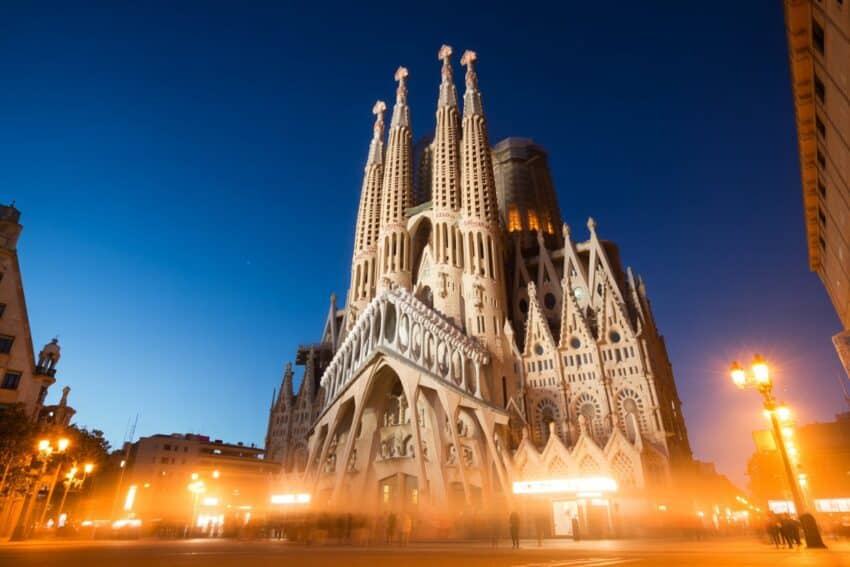
The long-awaited completion of the Sagrada Família in Barcelona is now firmly in sight, with 2026 set as the target year for final construction. This milestone marks the culmination of more than a century of architectural ambition, positioning the basilica as one of the most iconic religious and cultural landmarks in Europe. According to cultural heritage frameworks supported by the Government of Spain, projects of this scale represent not only architectural achievements but also national cultural assets.
Once completed, the Sagrada Família will become the tallest Catholic church in Europe, further enhancing its global significance. The structure has already drawn millions of visitors annually, but its final completion is expected to elevate its status even further.
The year 2026 is also symbolically important, marking the centenary of architect Antoni Gaudí’s death. This alignment adds historical depth to the completion, connecting the original vision with its modern realisation.
What Makes the Sagrada Família Architecturally Unique?
The Sagrada Família stands out for its distinctive architectural style, blending Gothic and Art Nouveau influences with Gaudí’s innovative design philosophy. Unlike traditional cathedrals, the structure incorporates organic forms inspired by nature, creating a visually striking and highly detailed exterior.
Advertisement
Advertisement
The Ministry of Culture of Spain recognises the basilica as a masterpiece of architectural creativity. Its intricate façades, towering spires, and symbolic elements reflect a deep integration of art, religion, and engineering.
One of the most notable features is the central tower, which upon completion will make the basilica the tallest of its kind in Europe. The design emphasises verticality, drawing the eye upward and reinforcing its spiritual significance.
Advertisement
Advertisement
The ongoing construction has utilised both traditional craftsmanship and modern technology, ensuring that Gaudí’s original vision is preserved while adapting to contemporary building standards.
How Has the Construction Progressed Over the Years?
Construction of the Sagrada Família began in 1882, making it one of the longest-running building projects in the world. Progress has been shaped by historical events, including periods of interruption during conflicts and economic challenges.
The Government of Spain has supported efforts to preserve and complete the structure, recognising its importance as a cultural and tourism asset. Advances in technology have accelerated construction in recent decades, allowing for more precise execution of complex designs.
Funding for the project has largely come from visitor contributions, demonstrating the global appeal of the basilica. As tourism increased, so did the pace of construction, bringing the project closer to completion.
The final stages now focus on completing the remaining towers and refining architectural details, ensuring that the finished structure reflects the original vision.
What Impact Will Completion Have on Tourism in Barcelona?
The completion of the Sagrada Família is expected to have a significant impact on tourism in Barcelona and across Spain. The basilica is already one of the most visited attractions in Europe, and its final unveiling is likely to attract even greater numbers of international visitors.
Advertisement
Advertisement
According to tourism strategies aligned with the Government of Spain, cultural landmarks play a central role in driving visitor interest and economic activity. The completed basilica will strengthen Barcelona’s position as a leading global destination.
Increased visitor numbers are expected to benefit local businesses, including hotels, restaurants, and retail outlets. The broader tourism sector will also experience growth as travellers extend their stays to explore other attractions in the region.
At the same time, authorities may need to manage visitor flow carefully to ensure sustainability and preserve the site’s integrity.
How Does the Project Reflect Spain’s Cultural and Heritage Strategy?
The completion of the Sagrada Família aligns with Spain’s broader efforts to preserve and promote its cultural heritage. The Ministry of Culture of Spain emphasises the importance of maintaining historic sites while making them accessible to global audiences.
The basilica serves as a symbol of Spain’s artistic and architectural legacy, showcasing the country’s ability to balance tradition with innovation. Its completion represents not only the end of a construction project but also the continuation of a cultural narrative.
By investing in heritage sites and supporting their development, Spain reinforces its identity as a destination rich in history and creativity. The Sagrada Família stands as a testament to this commitment.
Advertisement
Advertisement
Conclusion: A Historic Milestone Set to Redefine Europe’s Architectural Landscape
The anticipated completion of the Sagrada Família in 2026 marks a defining moment in architectural history. After more than a century of construction, the basilica is set to become Europe’s tallest Catholic church, solidifying its place as a global landmark.
The project reflects a unique combination of artistic vision, cultural significance, and technological innovation. Its completion will not only enhance Barcelona’s tourism appeal but also celebrate Spain’s rich heritage.
As the final stages progress, the Sagrada Família stands as a powerful symbol of perseverance and creativity. The 2026 milestone will mark the beginning of a new chapter for this iconic structure, ensuring its legacy for generations to come.
Advertisement
