
Ireland’s Ancient Halloween Pumpkin Mystery Reveals How a Spooky Tradition Conquered the USA and Beyond: All You Need to Know

Published
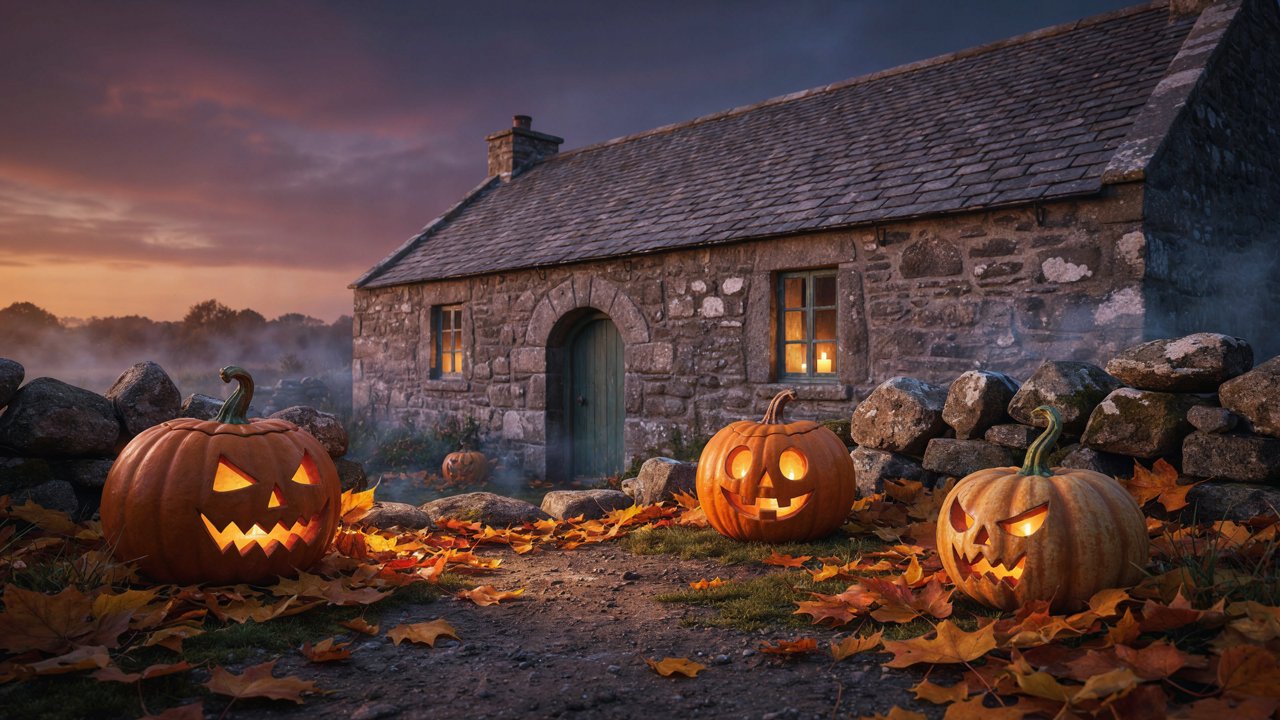
Every October, glowing pumpkins appear outside homes, across festival grounds and throughout popular tourist destinations. From the United States and Canada to Ireland and the United Kingdom, these orange lanterns have become one of Halloween’s most recognisable symbols. Yet their fascinating history began long before pumpkin carving became a popular American celebration.
The tradition developed from Irish folklore, seasonal customs and the practice of carving lanterns from root vegetables. When Irish immigrants carried these customs to North America, pumpkins gradually replaced turnips because they were larger, easier to carve and widely available during autumn.
Advertisement
Advertisement
Today, pumpkin carving represents far more than Halloween decoration. It connects centuries-old European folklore with American harvest culture, modern tourism, family entertainment and the growing popularity of Halloween celebrations worldwide.
Ireland’s Ancient Samhain Festival Shaped Halloween’s Earliest Traditions
Halloween has historical connections to Samhain, an ancient Gaelic seasonal festival associated with the transition from harvest time into winter.
Advertisement
Advertisement
Traditionally observed around the beginning of November, Samhain marked an important turning point in the agricultural calendar.
Folklore surrounding the occasion included beliefs about supernatural beings and the relationship between the living and the dead.
Advertisement
Advertisement
Over time, these seasonal customs became intertwined with Christian observances surrounding All Saints’ Day and All Souls’ Day.
The name Halloween developed from All Hallows’ Eve, referring to the evening before All Saints’ Day on 1 November.
Although modern pumpkin carving did not originate directly from every Samhain practice, Irish seasonal folklore played an important role in the development of Halloween’s later traditions.
The Irish Legend of Stingy Jack Explains the Famous Jack-o’-Lantern
One of Halloween’s most intriguing stories concerns Stingy Jack, a character from Irish folklore.
According to traditional versions of the legend, Jack repeatedly tricked the Devil. After his death, he was unable to enter either heaven or hell.
He was condemned to wander in darkness, carrying a glowing ember inside a hollowed-out turnip.
Advertisement
Advertisement
The mysterious light became associated with the name Jack-o’-lantern.
The story is folklore rather than a documented historical event, but it provides an important cultural explanation for the lantern’s connection with Halloween.
In Ireland and parts of Britain, people traditionally carved faces into turnips and other root vegetables, sometimes placing lights inside them.
These lanterns could be used to create frightening appearances and were associated with supernatural beliefs.
How Irish Immigration Transformed Turnip Lanterns into American Pumpkins
The familiar orange Halloween pumpkin developed through cultural exchange between Ireland and North America.
During the nineteenth century, substantial Irish migration helped carry Halloween customs across the Atlantic.
Advertisement
Advertisement
Immigrant communities continued seasonal traditions, including storytelling, costumes and carved lanterns.
However, North America offered a different agricultural landscape.
Pumpkins were already cultivated across the continent and became a practical alternative to smaller, harder root vegetables.
Their relatively soft flesh made carving easier, while their large surfaces provided space for elaborate facial designs.
Gradually, the carved pumpkin became closely associated with Halloween celebrations in the United States.
This transformation illustrates how immigrant traditions can evolve when they encounter new ingredients, environments and communities.
Advertisement
Advertisement
Why Pumpkins Became Halloween’s Most Recognisable Decoration?
Pumpkins possess several characteristics that make them particularly suitable for Halloween.
Their natural harvest season coincides with autumn celebrations, while their bright orange colour creates a striking visual contrast against dark evenings.
Their hollow interiors can accommodate electric lights, creating the familiar illuminated jack-o’-lantern.
Pumpkins also offer considerable artistic flexibility. Families can carve traditional frightening faces, friendly expressions or intricate decorative patterns.
Unlike turnips, larger pumpkins allow children and adults to create more visible designs.
The combination of agricultural availability, cultural symbolism and creative possibilities helped establish pumpkins as a defining feature of modern Halloween.
Advertisement
Advertisement
From the USA to Canada, Britain and India, Pumpkin Carving Becomes a Global Halloween Attraction
Halloween’s popularity has helped transform pumpkin carving into an internationally recognised seasonal activity.
In the United States, pumpkins feature in family celebrations, agricultural attractions, harvest festivals and Halloween-themed entertainment.
Canada also has a strong tradition of pumpkin displays, seasonal markets and autumn celebrations.
Ireland and the United Kingdom maintain their historical connections to Halloween while embracing modern pumpkin decorations alongside older customs.
In India, Halloween has gained visibility through themed parties, hospitality venues, schools and entertainment activities, particularly in major cities.
Although celebrations differ between countries, the glowing jack-o’-lantern remains a widely recognised symbol of the occasion.
Advertisement
Advertisement
How Halloween Pumpkin Traditions Differ Across Countries?
| Country | Halloween pumpkin connection | Cultural significance |
|---|---|---|
| Ireland | Historical turnip lanterns and modern pumpkin carving | Irish folklore and Halloween heritage |
| Scotland | Traditional root-vegetable lanterns and contemporary pumpkins | Historic seasonal customs |
| United States | Pumpkin carving, harvest attractions and Halloween displays | Major centre of modern jack-o’-lantern culture |
| Canada | Pumpkin decorations and autumn celebrations | Seasonal festivities and family traditions |
| United Kingdom | Pumpkin carving and Halloween entertainment | Combination of historic customs and modern celebrations |
| India | Pumpkin decorations at selected parties and entertainment venues | Growing interest in international Halloween culture |
Pumpkin Farms and Halloween Attractions Strengthen Autumn Tourism
Pumpkins have become an important part of seasonal visitor experiences, especially in North America.
Pumpkin patches, farm visits, harvest markets and carving workshops attract families looking for outdoor activities during autumn.
Many agricultural destinations combine pumpkin-related experiences with hayrides, corn mazes and seasonal food.
For local communities, these attractions can encourage spending at farms, restaurants, accommodation providers and nearby businesses.
Halloween also creates opportunities for museums and cultural organisations to introduce visitors to folklore and regional history.
The pumpkin therefore serves two purposes: it preserves a recognisable seasonal tradition while supporting contemporary leisure and tourism activities.
Advertisement
Advertisement
What Makes Pumpkin Carving an Important Family Halloween Activity?
Pumpkin carving has developed into a creative tradition that brings families and communities together.
Participants choose a pumpkin, remove its contents and create a decorative design on the outer shell.
Traditional designs feature triangular eyes and frightening expressions, while contemporary versions include animals, fictional characters and artistic patterns.
Battery-operated lights offer an alternative to candles, particularly when children are involved.
Pumpkin decorating without sharp carving tools also provides an option for younger participants.
These activities help explain why the tradition continues to attract new generations, even as Halloween celebrations evolve.
Advertisement
Advertisement
Frequently Asked Questions
1. Why are pumpkins used during Halloween?
Pumpkins became popular in North America because they were widely available, larger and easier to carve than the turnips traditionally used in Irish lantern-making.
2. Which country originated the jack-o’-lantern tradition?
The custom has strong roots in Irish folklore, although related vegetable-carving traditions also existed in Scotland and elsewhere in Britain.
3. Who was Stingy Jack?
Stingy Jack is a legendary Irish character associated with a glowing lantern and stories about wandering spirits.
Advertisement
Advertisement
4. When is Halloween celebrated in 2026?
Halloween falls on Saturday, 31 October 2026.
5. Were pumpkins always part of Halloween?
No. Turnips and other root vegetables were used before pumpkins became popular in North America.
6. Can Halloween pumpkins be decorated without carving?
Yes. Painting, stickers and decorative accessories provide alternatives to cutting designs into pumpkins.
Advertisement
Advertisement
An Irish Folklore Tradition That Became a Worldwide Halloween Symbol
The story of Halloween pumpkins demonstrates how cultural traditions evolve across borders.
What began with European folklore and carved root vegetables developed into a distinctive North American custom before spreading internationally.
Today, the illuminated pumpkin represents the combination of history, creativity and seasonal celebration that makes Halloween appealing to different generations.
Its continuing popularity also reflects the influence of cultural exchange, migration and tourism in shaping modern festivals.
Advertisement
