
Thailand and Bhutan are Now Promoting Wellness Travel From Japan to Help Travellers Relax and See More

Published
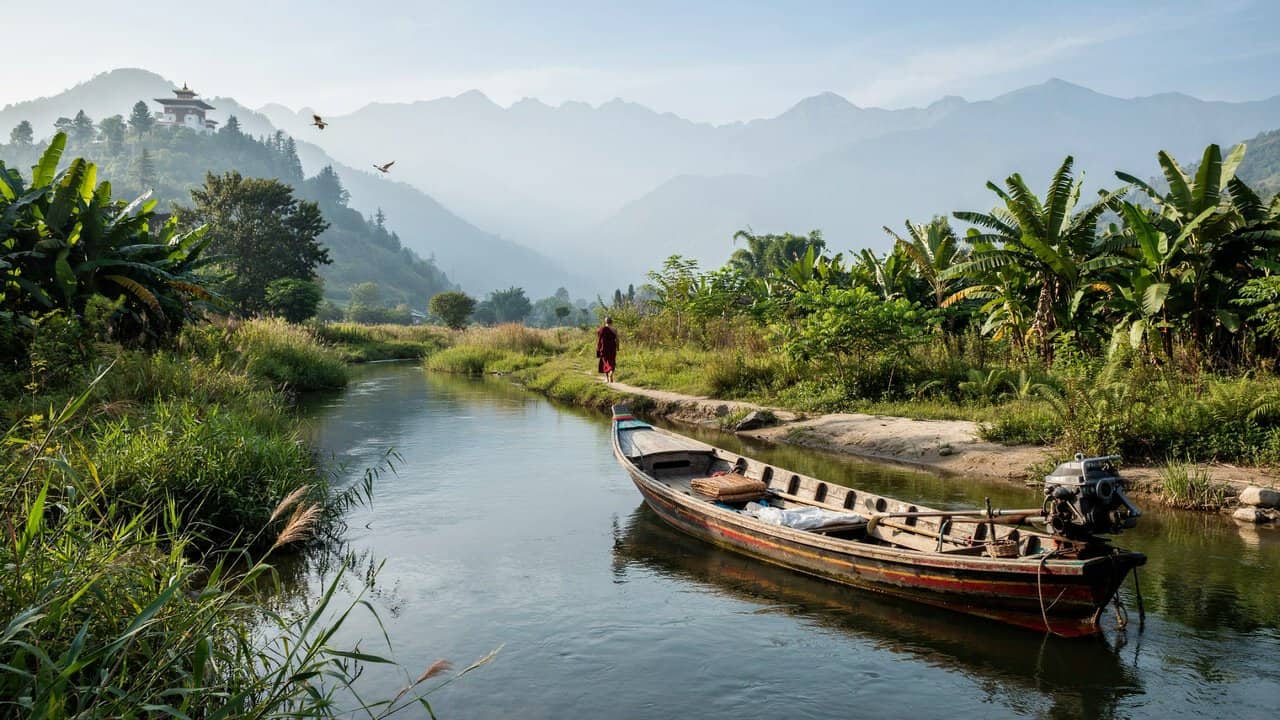
Tourism authorities in Thailand and Bhutan launched a Wellness Travel campaign in Tokyo on 24 September 2026, promoting holidays combining both destinations. Introduced at a tourism exhibition, “Healing & Happiness: Discover a Better You” connects Thai wellbeing experiences with Bhutan’s nature, culture and spiritual traditions. Japanese travellers are the first target audience. The immediate development is a joint promotional campaign: it creates no shared visa, guarantees no discount and does not establish that a standard package is already available.
What the Official Evidence Confirms
Official announcements checked on 7 October 2026 establish a destination marketing initiative, supported by earlier cooperation and separate transport planning. The table assesses the importance of each subject within this report. Its percentages are an editorial assessment, not government statistics, market shares or measured tourism effects.
Advertisement
Advertisement
| News Component | Share of Story | Officially Verified Finding | Relevance to Travellers | Official Source |
|---|---|---|---|---|
| Destination cooperation | 40% | Joint campaign launched on 24 September 2026 | Promotes combined holidays | Thai and Bhutanese tourism announcements. |
| Japanese demand | 20% | Overseas departures rose 2.8% in January–August 2026 | Market context, not campaign results | Japanese government tourism statistics. |
| Regional access | 15% | Sendai cooperation renewed on 26 September | Supports regional travel promotion | Thai tourism announcement. |
| Entry requirements | 15% | Japanese visitors need advance Bhutan visa approval | Separate immigration checks remain necessary | Bhutan’s official visa guidance. |
| Thai stopovers | 10% | Development agreement signed on 5 October | Benefits are not confirmed as operational | Thai tourism announcement. |
For Wellness Travel From Japan, the evidence supports considering both destinations together while checking each booking separately. It does not show that demand, prices or visitor spending have changed because of the campaign. Existing entry rules remain relevant, while the related Thai stopover scheme is still under development. Thailand received 29,072 Bhutanese visitors in 2025, up 34.71% from 2024, according to the June tourism update. That figure documents an existing bilateral market; it does not measure Japanese demand for a combined holiday.
How the Partnership Reached Its Tokyo Launch
The documented cooperation began with a tourism memorandum signed on 26 June 2024. Professional exchange visits followed in May 2026. A programme from 3–7 May covered Thimphu, Paro and Punakha, while a reciprocal visit from 22–25 May explored Krabi. These visits included cultural attractions, meditation, community activities, mangroves and hot springs. They helped tourism professionals assess experiences that could feature in connected itineraries.
Advertisement
Advertisement
The 24 September campaign launch then presented this cooperation to Japanese tourism businesses and visitors. A separate regional agreement followed on 26 September, renewing tourism links with Sendai and Tohoku. On 5 October, another agreement set out work on benefits for passengers connecting through Thailand. Together, these events provide background for Wellness Travel From Japan. They remain distinct initiatives, however, and the October agreement does not establish that airport excursions have already started.
Why Japan’s Market and Regional Access Matter
Visitor Demand Shows Growth and Pressure
The confirmed purpose of the campaign is joint promotion and development of connected journeys. Official figures provide supporting context for Wellness Travel From Japan, rather than proof of what caused the launch. Japanese overseas departures reached approximately 9.72 million in January–August 2026, up 2.8% against the same period in 2025. August departures were approximately 1.59 million, down 3.6% compared with August 2025. These totals cover all overseas destinations.
Advertisement
Advertisement
Thailand’s September tourism release cites an average Japanese visitor stay of 7.74 days and spending of 40,497.38 baht per trip. It does not identify the survey period, limiting comparisons. The same release identifies a weaker yen, higher airfares and fuel surcharges as pressures on travel decisions. These conditions help explain why overall holiday value matters, but they do not demonstrate a campaign effect. Thailand’s stated target is 1.2 million Japanese visitors in 2026. This is a planning objective, not an achieved total. It should therefore remain separate from recorded Japanese departures and the published visitor spending benchmark. www.mlit.go.jp
Regional Connections Support the Tourism Plan
Official plans include pursuing additional seats and charter services from regional Japanese airports, including Sendai. No new operating timetable is established by that statement. Bangkok is also an existing gateway to Paro, making a combined journey possible. Travellers must still check the actual services available for their dates and whether connections fit the proposed itinerary. The renewed regional cooperation builds on links established with Sendai in 2006 and expanded to include the Tohoku tourism organisation in 2012.
Advertisement
Advertisement
The industry implication is practical: hotels, guides and local transport providers would need coordinated bookings to serve combined holidays. That is an analysis of the proposed travel model, not evidence of higher revenue. The strongest verified explanation remains cooperation between complementary destinations. Published releases provide no campaign-specific booking totals, occupancy gains or investment commitments. Official explanations emphasise different strengths: Thailand’s cultural and wellbeing experiences, and Bhutan’s natural environment and spiritual traditions. This supports joint marketing across two distinct destinations. It does not make their entry systems or local travel arrangements interchangeable.
What Japanese Travellers Should Check Before Booking
Japanese visitors need Bhutan visa approval before departure. The US$40 application fee is non-refundable, and the published review period is five working days. Adults also pay a US$100 nightly Sustainable Development Fee. Five nights therefore generate US$500 in levies, plus the visa fee: US$540, excluding accommodation, transport, guides and other expenses.
- Passport: Bhutan requires six months’ validity beyond intended departure.
- Application: Prepare a passport copy, digital photograph, travel dates and payment details.
- Children: The nightly levy is US$50 for ages six to under twelve; younger children are exempt.
- Local arrangements: Use approved accommodation and meet guide requirements.
- Thailand: Check immigration eligibility and applicable digital arrival card requirements.
For Wellness Travel From Japan, the main task is confirming the itinerary’s requirements and total price. Independent booking is possible in Bhutan, but guide and accommodation rules still apply. No campaign announcement requires existing travellers to cancel or change their plans. Anyone relying on a future stopover benefit should wait for published eligibility and operating conditions. Bhutan explains that visitor levies support public services, conservation, infrastructure and cultural preservation. These contributions remain separate from the services purchased within a holiday package.
What Is Confirmed for the Next Phase
Japan is the initial market, with European and American promotion planned later. No dates for those later stages appear in the launch release. The direction for Wellness Travel From Japan is therefore further promotion and product development. Separately, the Thai transit initiative will develop suitable benefits and excursions, with safety, connection times and evaluation included in its framework. The transit announcement also provides for monitoring results, which would inform later development and any expansion of the programme.
Advertisement
Advertisement
The year 2027 also marks 140 years of Japan–Thailand diplomatic relations. An anniversary logo has been selected, and procedures for recognising related projects will follow. This does not confirm specific discounts or package categories. The reviewed announcements give no firm stopover operating date, so travellers should distinguish future marketing plans from services available to book today.
A New Tourism Partnership With Results Still to Come
Thailand and Bhutan have placed Wellness Travel within a shared tourism campaign aimed first at Japan. The confirmed change concerns promotion and cooperation, while visas, fees and booking arrangements remain separate. Official figures show a market with both growth and cost pressures, but they do not measure this campaign’s performance. The next stage involves developing products, extending promotion and clarifying planned transit benefits. Travellers should assess published itineraries, total costs and current entry requirements before committing. For tourism businesses and communities, success will depend on completed journeys and recorded spending. Follow official updates as practical arrangements and participation conditions emerge.
Advertisement
