
Guyana Hosts Historic SOTIC 2026 as Regional Leaders Rally to Redefine Sustainable Caribbean Tourism

Updated
Published
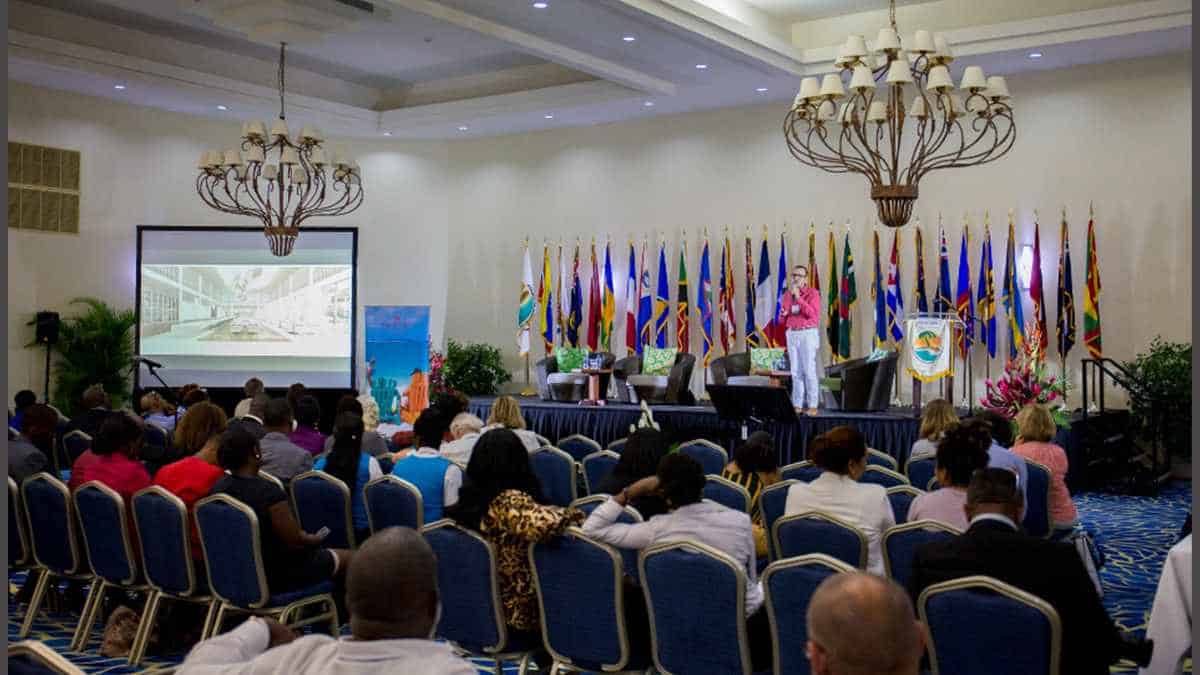
The whole world of travel tourism is experiencing an absolute revolution as representatives from all around the world gather in Georgetown for SOTIC 2026 Guyana. Organized by the Caribbean Tourism Organization, this event will be the first occasion when the South American country will host such a well-known conference. The event will take place in the recently constructed Atlantic Suites by Hyatt and will focus on critical issues of climate resilience, technological innovation, and sustainable infrastructure. In view of current economic and environmental changes, this landmark conference will develop a strategic roadmap for regional integration through eco-tourism and technology.
Historical Context and Guyana’s Inaugural Host Role
The Caribbean Tourism Organization (CTO) has officially convened its annual flagship assembly, the State of the Tourism Industry Conference (SOTIC), running from October 5 to October 9, 2026. This year’s summit represents a watershed moment for regional diplomacy and tourism governance, as Guyana hosts the landmark gathering for the first time in the organization’s history. High-level delegates, including regional ministers of tourism, directors of travel authorities, global aviation executives, private-sector leaders, academics, and international media, have converged upon Georgetown at the newly opened Atlantic Suites by Hyatt. Situated at the convergence of the Demerara River and the Atlantic Ocean, this brand-new hospitality complex provides a modern venue for discussions centered on the future of regional travel.
Under the central theme, “Tourism Futures: Smart, Sustainable and Inclusive,” the five-day summit addresses complex macroeconomic and environmental realities facing the Caribbean basin. From volatile global supply chains and climate vulnerabilities to rapid developments in artificial intelligence and changing traveler preferences, the agenda is built to convert regional challenges into long-term opportunities. Award-winning Guyanese-American journalist, producer, and media executive Melissa Noel serves as the official conference host. Founder and Chief Content Officer of Mel&N Media Group, Noel brings over 15 years of newsroom experience—including accolades as the CTO Diaspora Journalist of the Year in 2024 and 2025—guiding conversations that connect cultural heritage with commercial development.
The decision by the CTO Council of Ministers to select Guyana as the 2026 host nation reflects the country’s rising prominence on the global stage. Celebrated for its expansive tropical rainforests, pristine river networks, and exceptional biodiversity, Guyana showcases a development model where natural resource management coexists alongside conservation mandates. Hosting SOTIC 2026 Guyana offers regional policymakers an opportunity to examine how destination management can balance rapid resource-driven economic growth with low-impact, community-centered sustainable tourism development.
Advertisement
Advertisement
CTO Secretary-General and Chief Executive Officer Dona Regis-Prosper noted that bringing SOTIC to South America demonstrates the broadening geographic scope of Caribbean tourism. The conference serves as a catalytic platform to align national policies into a coherent regional strategy, ensuring that both island destinations and mainland territories build economic resilience.
The Low Carbon Development Strategy: Guyana’s Eco-Tourism Paradigm
A central focus of SOTIC 2026 Guyana is the host country’s Low Carbon Development Strategy (LCDS 2030), a policy framework designed to value ecosystem services while promoting economic growth. Guyana’s standing forests cover over 18 million hectares, storing approximately 19.5 gigatons of carbon dioxide and sequestering 154 million tons of atmospheric carbon dioxide equivalent annually. Through international carbon market standards, Guyana has monetised these forest climate services to fund climate adaptation and community initiatives.
Advertisement
Advertisement
A key example of this framework is the landmark US$750 million carbon credit purchase agreement with Hess Corporation under the Architecture for REDD+ Transactions (ART-TREES) standard. Under statutory LCDS mandates, a dedicated 15 percent of all national carbon market revenues flows directly to Indigenous Amerindian villages and local communities through community-produced Village Sustainability Plans (VSPs). Over 180 communities have utilised these direct capital disbursements to fund small-scale community-based tourism projects, eco-lodge upgrades, solar energy installations, agricultural ventures, and heritage preservation programs.
This structural model offers practical lessons for Caribbean island nations seeking to finance climate resilience without adding to national debt loads. By demonstrating that standing forests offer continuous economic returns through carbon markets and eco-tourism, Guyana provides a blueprint for environmental conservation financing. Conference delegates are analyzing how similar natural asset valuation frameworks—including blue carbon mechanisms for coastal mangroves, seagrass meadows, and coral reefs—can be adopted across the broader Caribbean territory.
Advertisement
Advertisement
Furthermore, Guyana’s energy transition initiatives demonstrate how oil and gas revenues are being redirected into clean energy projects, including utility-scale solar photovoltaic programs targeting hinterland communities and major hydro-electric installations. This shift supports the hospitality sector by lowering operational energy costs, reducing grid emissions, and strengthening credentials for visitors seeking environmentally responsible travel options.
Strategic Conference Agenda: A Five-Day Roadmap
The administrative and operational schedule of SOTIC 2026 Guyana is structured into distinct phases to maximize engagement across administrative, strategic, and youth sectors. The summit began on October 5 and 6 with official CTO business proceedings, bringing together the Executive Committee, the Board of Directors, and the Council of Ministers and Commissioners of Tourism to review performance benchmarks and align institutional mandates.
Executive Business Proceedings and Specialized Forums
The opening day, October 5, featured specialized sessions alongside statutory meetings. The Future Leaders Forum: From the Classroom to the Caribbean, chaired by Antigua and Barbuda Tourism Minister Hon. Charles ‘Max’ Fernandez, provided an interactive platform for tertiary students and emerging professionals to engage directly with senior industry leaders. Concurrently, the Cruise Master Class, led by Michele Paige and the Aquila Center for Cruise Excellence, examined strategies for “Maximizing Destination Value Through Cruise Tourism”. This masterclass focused on increasing landside visitor spend, diversifying shore excursions, and improving coordination between cruise operators and local heritage communities.
On October 6, the CTO Council of Ministers gathered for an executive session chaired by Barbados Minister of Tourism and International Transport, Hon. G.P. Ian Gooding-Edghill. Running parallel was the Caribbean Tourism Research Forum, led by Dr. Roberto Duran-Fernandez with research contributions from UN Tourism. The forum presented empirical studies on destination competitiveness, economic impact analysis, and climate vulnerability modeling to inform evidence-based policy decisions.
Advertisement
Advertisement
Grand Opening Ceremony and High-Level Ministerial Deliberations
The formal public opening took place on October 7 inside the Atlantic Conference Center. The Grand Opening Ceremony featured a keynote address delivered by His Excellency Dr. Mohamed Irfaan Ali, President of the Co-operative Republic of Guyana, who officially declared the conference open. President Ali emphasized the strategic alignment of natural resource conservation, digital modernization, and regional integration.
Following the opening ceremony, delegates participated in networking sessions, corporate B2B meetings, and a Local Vendor Market highlighting Guyanese craftsmanship, agriculture, and culinary heritage. High-level discussions continued on October 8 with the Ministerial Session: Competing for Tomorrow, led by Guyana’s Minister of Tourism, Industry and Commerce, Hon. Susan Rodrigues. This session brought together regional ministers to discuss policy priorities, intra-regional trade barriers, aviation taxation, and workforce training.
The conference concludes on October 9 with the Destination Media Briefings. National tourism boards and government ministries from across CTO member countries present updates on upcoming infrastructure projects, marketing campaigns, and visitor arrival statistics to international media representatives.
| Conference Day | Core Schedule Phase | Key Session & Strategic Focus | Official Location / Lead Entity |
| Monday, Oct 5 | CTO Business Meetings | Future Leaders Forum & Cruise Master Class | Exhibition Center / Aquila Center |
| Tuesday, Oct 6 | CTO Business Meetings | Council of Ministers & Research Forum | Riverview Room / UN Tourism |
| Wednesday, Oct 7 | Grand Opening Ceremony | Presidential Keynote Address & B2B Vendor Market | Atlantic Conference Center / H.E. Dr. Irfaan Ali |
| Thursday, Oct 8 | SOTIC Plenary Sessions | Ministerial Session & Regional Youth Congress | Atlantic Conference Center / Carnival Corp |
| Friday, Oct 9 | Destination Media Briefings | Global Media Updates & CTO Consultations | Atlantic Conference Center / CTO Secretariat |
Government Announcements and High-Level Leadership Perspectives
Statements delivered during SOTIC 2026 Guyana highlight a shared commitment to structural reform and progressive policy development across the region. In his keynote address, President Irfaan Ali noted that tourism must evolve beyond traditional leisure travel to become a driver of sustainable economic development. President Ali pointed to Guyana’s conservation framework as proof that rapid economic development can occur while protecting natural environments.
Minister of Tourism, Industry and Commerce Hon. Susan Rodrigues outlined Guyana’s efforts to expand tourism infrastructure while maintaining destination authenticity. Minister Rodrigues highlighted recent private and public investments that are expanding hotel stock expansion in Guyana. Major projects include the Royal International Hotel—which added 241 rooms and a 500-seat conference facility to the national accommodation stock—and the host venue, Atlantic Suites by Hyatt. These developments support Guyana’s official goal of surpassing 400,000 annual visitor arrivals.
CTO Secretary-General Dona Regis-Prosper re-affirmed the strategic direction set out in the CTO Reimagine Plan 2025–2027. Structured around six core pillars—Advocacy, Market Competitiveness, Tourism Intelligence, Sustainable and Regenerative Tourism, People Development, and Operational Excellence—the Reimagine Plan offers a structured framework for regional tourism entities. Regis-Prosper emphasized that while digital innovation is essential for modernizing operations, authentic human experiences and local culture remain the foundation of Caribbean destination competitiveness.
Advertisement
Advertisement
Ministers from across the region, including Saint Lucia’s Deputy Prime Minister and Minister for Tourism, Investment, Creative Industries, Culture and Information, Hon. Dr. Ernest Hilaire, stressed the need for unified regulatory frameworks. Discussions focused on lowering cross-border travel barriers, streamlining entry protocols, and promoting multi-destination travel itineraries that allow international visitors to experience multiple Caribbean destinations in a single trip.
Digital Transformation, AI Integration, and Tourism Intelligence
A major thematic focus at the summit is digital transformation in Caribbean tourism and the use of tourism intelligence and big data to guide destination management. Building on the momentum from the CTO World Tourism Day AI Tourism Bootcamp, delegates reviewed practical applications of machine learning, automated analytics, and conversational AI within destination marketing.
Luis Millán, Head of Travel Intelligence SC at global travel technology company Amadeus—an official partner of SOTIC 2026—presented data on changing travel search habits, booking windows, and flight demand trends. Millán showed how destination marketing organizations can use real-time data to adjust promotional campaigns and improve return on marketing investment. Data presented during the session revealed that AI-assisted travel platforms embedded in editorial channels achieved an 11.2 percent click-through rate and produced nearly 40,000 high-intent traveler interactions, demonstrating the effectiveness of personalized digital marketing.
Speakers highlighted that technological tools must be accessible across the entire hospitality sector. Small and Medium Tourism Enterprises (SMTEs), local operators, and rural cooperatives need training and affordable access to digital reservation, inventory, and payment platforms. Broadening digital access ensures that community enterprises can participate directly in the digital economy, fostering inclusive growth in hospitality.
Dr. Maya Trotz, Professor of Civil and Environmental Engineering at the University of South Florida, brought an engineering perspective to tourism intelligence. Dr. Trotz demonstrated how combining satellite imagery, environmental sensor networks, and community reporting can help monitor coastal erosion, track sargassum movements, and protect coastal infrastructure. Integrating environmental monitoring into tourism management helps destinations anticipate climate risks and protect natural assets.
| Quantitative Metric / Operational Benchmark | Statistical Figure | Official Institutional Source |
| Standing Forest Asset Base | 18 Million Hectares (19.5Gt Carbon Stored) | Low Carbon Development Strategy (LCDS 2030) |
| Annual Forest Carbon Sequestration | 154 Million Tons CO2e | Guyana Forestry Commission / LCDS |
| ART-TREES Carbon Credit Agreement | US$750 Million (Minimum 30% Credits) | Government of Guyana / Hess Corporation |
| Indigenous Community Revenue Share | 15% Mandatory Allocation via VSPs | Ministry of Amerindian Affairs / LCDS |
| Active IDB Guyana Investment Portfolio | US$780+ Million Public Infrastructure | Inter-American Development Bank (IDB) |
| Royal International Hotel Capacity | 241 Guest Rooms / 500+ Seat Conference Hall | Ministry of Tourism, Industry & Commerce |
| National Annual Visitor Arrival Target | Exceeding 400,000 Visitors | Guyana Tourism Authority / MINTIC |
| AI Travel Platform Engagement Data | 235,000 Impressions / 11.2% CTR | CTO Digital Intelligence Study |
Regional Air Connectivity, Logistics, and Multilateral Financing
Addressing challenges related to regional air connectivity remains a top priority for governments, airlines, and tourism operators. High aviation taxes, varied regulatory requirements, and limited direct flights between destinations have historically restricted intra-regional travel and increased transit times.
Advertisement
Advertisement
Trevor Sadler, Chief Executive Officer of the Official Airline Partner for SOTIC 2026, addressed delegates on expanding air routes between mainland South America and island destinations. Sadler noted that while airlines are interested in launching new connections, sustainable route expansion requires supportive policy measures, including aviation tax adjustments, streamlined security screening for transit passengers, and aligned civil aviation standards across jurisdictions.
Contributions from partners such as the Association of Value Airlines and route development specialists from ASM Global Route Development reinforced the economic importance of intra-regional airlift. Improving air links supports trade, facilitates regional emergency response, and enables multi-destination leisure itineraries. Expanding direct flights into Georgetown positions Guyana as an emerging transit hub connecting South America with the wider Caribbean.
Multilateral development financing plays a key role in supporting transport infrastructure. Ivan Alonzo Gaviria, Chief Operations Officer for the Inter-American Development Bank (IDB) Country Office in Guyana, outlined the bank’s active portfolio of over US$780 million in public sector projects. These investments cover highway corridors, sea defenses, bridge links, and urban upgrades that support national development and enhance tourism logistics. The IDB’s work illustrates how targeted public infrastructure financing supports long-term destination growth.
Economic Impact, Hotel Stock Expansion, and Community Investment
The combination of new energy sector developments and economic diversification has made Guyana one of the fastest-growing economies in the region, driving significant eco-tourism investment and infrastructure projects. The national accommodation sector is expanding rapidly, supported by international brand entry and domestic private investment.
This infrastructure expansion creates significant economic spillovers. New hotel developments generate construction and operations jobs, while increasing demand for local agricultural produce, transport services, cultural entertainment, and craft products. Furthermore, new hospitality projects are increasingly incorporating environmental standards, such as solar power integration, energy-efficient building systems, and local procurement guidelines.
Investment in professional training is keeping pace with physical infrastructure additions. As new boutique lodges open in hinterland regions and international business hotels open in urban centers, expanding vocational education and service standards training is essential to build a skilled workforce.
Advertisement
Advertisement
Youth Empowerment, Gender Equity, and Community-Based Tourism
Promoting youth involvement and community participation is a key objective of the CTO’s conference agenda. On October 8, the Regional Tourism Youth Congress, sponsored by Carnival Corporation, brought together Junior Ministers and Commissioners of Tourism aged 14 to 17 from across CTO member countries.
The student delegates presented proposals on smart destination management, cultural heritage preservation, and sustainable community initiatives. The Youth Congress provides an educational platform that encourages young leaders to consider careers in tourism and policy, while highlighting the importance of sustainable development.
The conference also highlighted the role of local communities and diaspora networks in destination development. Conference host Melissa Noel emphasized how diaspora communities contribute through investments, skills transfer, and cultural links. Structured diaspora engagement programs help direct capital and expertise toward local tourism enterprises.
Gender equity considerations were integrated across conference panel discussions. With women making up a large portion of the hospitality workforce, initiatives that support skills development, business financing for women-led enterprises, and career advancement are recognized as vital for inclusive sector development.
Future Outlook: The Blueprint for Regenerative Caribbean Travel
As SOTIC 2026 Guyana concludes its formal sessions, the Caribbean tourism sector is positioning itself for long-term sustainability and digital integration. The strategic frameworks discussed in Georgetown provide a basis for updating national tourism policies across CTO member states.
The future success of caribbean hospitality innovation will rely on balanced evaluation metrics that measure economic benefits alongside environmental and social outcomes. Key priorities include carbon reduction, natural ecosystem protection, local community retention of tourism spend, and cultural heritage preservation. By linking natural resource conservation with modern technology and improved regional air transport links, Caribbean destinations are working to build a climate-resilient and competitive travel economy.
Advertisement
Advertisement
The collaborations established during this summit demonstrate how joint planning and shared standards can strengthen the regional tourism sector. As delegates return home to implement these strategic recommendations, SOTIC 2026 Guyana sets a clear direction for sustainable, smart, and inclusive travel growth across the Caribbean region.
Conclusion
As the delegates leave Georgetown, SOTIC 2026 Guyana becomes a landmark watershed in terms of the development of the strategy of tourism in the Caribbean. This summit has shown how modern technology and strong environmental protection policies go hand in hand, creating the basis for sustainable development of regional economies. By incorporating such concepts as community empowerment, climate resilience, and efficient regional air connectivity in their policy, the Caribbean nations set an example for future developments. The successful development of the Caribbean as a destination for eco-tourism and regional cooperation make sure that this region will continue to be an attractive cultural and climate-resistant destination in the future.cooperation make sure that this region will continue to be an attractive cultural and climate-resistant destination in the future.
Advertisement
