
Corporate Traveler Unveils Seven-Step Blueprint to Cut Business Airfare Costs by Up to 25%

Published
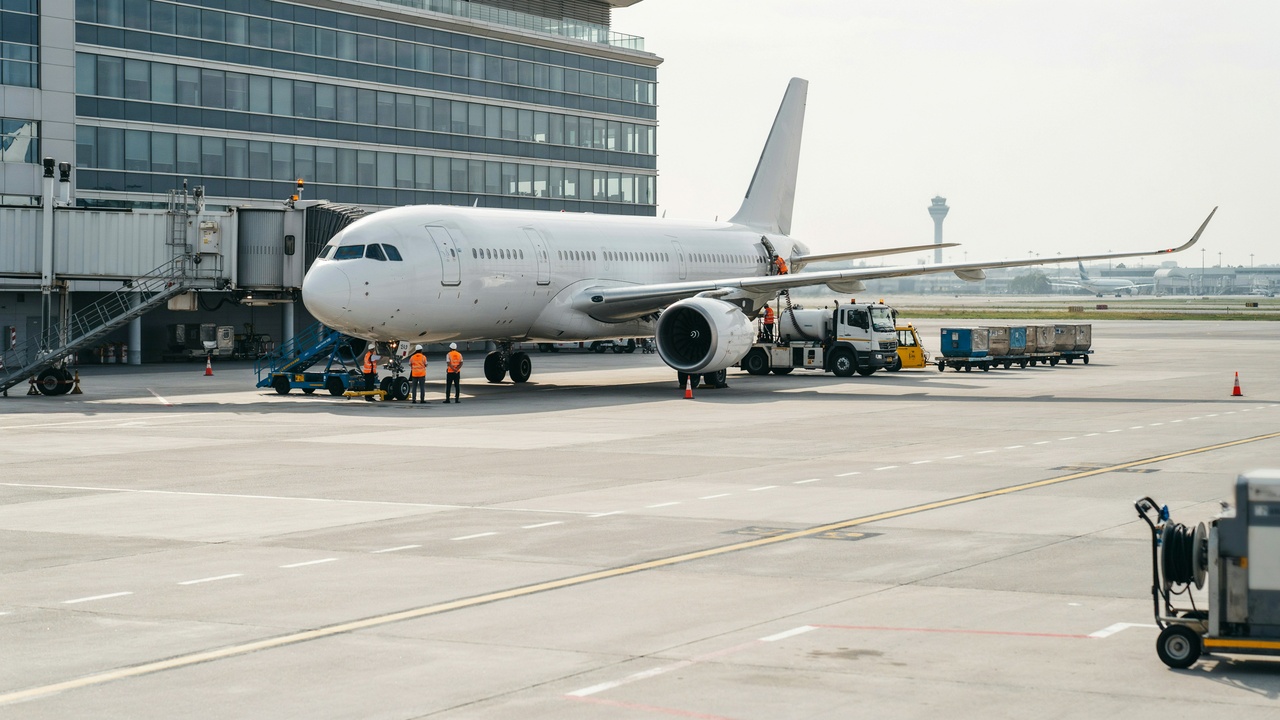
Image generated with Ai
Corporate Traveler has unveiled a seven-step blueprint to help businesses lower airfare costs without reducing business trips. The new guide focuses on smarter booking, clearer policies and better travel management. As airfare rises, these practical strategies can help companies control costs, improve visibility and maintain essential corporate travel programmes.
Corporate Traveler Targets Rising Business Travel Costs
Corporate Traveler, a business travel specialist serving small and mid-sized enterprises (SMEs), has introduced a new seven-step approach aimed at helping companies reduce airfare expenditure while maintaining travel frequency.
The blueprint addresses one of the most significant controllable expenses within corporate travel: air tickets. Corporate Traveler says businesses can potentially achieve airfare savings of up to 25% when several cost-management measures are implemented together.
The initiative arrives as companies continue to manage higher travel expenses. According to figures cited by Corporate Traveler from the Global Business Travel Association (GBTA), the average global airfare is expected to reach approximately US$708 in 2026.
Advertisement
Advertisement
For a typical managed business trip in North America costing around US$1,425, airfare represents almost 46% of the overall trip cost. Consequently, even relatively small improvements in airfare management can have a meaningful effect on corporate travel budgets.
Why Booking Earlier Can Reduce Airfare Spending
Corporate Traveler’s analysis of flight bookings across its US client base identified advance booking as one of the most straightforward ways to control airfare costs.
Advertisement
Advertisement
The company found that almost one in four business travellers book flights later than recommended. This can restrict access to lower-priced fares, particularly when demand increases closer to departure.
Corporate Traveler’s analysis indicates that earlier booking can generate savings of around 10% annually, although actual results vary according to routes, demand and travel periods.
Advertisement
Advertisement
One client in the refrigerants industry reportedly increased its average domestic booking lead time from 15 days to 30 days and subsequently achieved approximately 10% airfare savings. The example highlights how changes in traveller behaviour can influence costs without requiring new technology or renegotiated supplier contracts.
What Are Corporate Traveler’s Seven Airfare Strategies?
The blueprint combines traveller behaviour, policy controls, technology, supplier management and professional travel support.
1. Book earlier: Businesses can establish advance-booking expectations, such as two to three weeks for domestic journeys and four to six weeks for international travel.
2. Create a clear travel policy: Policies covering advance booking, preferred airlines, cabin eligibility and approval procedures can create more consistent purchasing behaviour.
Advertisement
Advertisement
3. Select fares according to trip requirements: The cheapest headline fare does not necessarily represent the lowest total cost. Basic Economy tickets, for example, may involve additional charges or restrictions.
4. Consider negotiated corporate fares: Corporate airline agreements can provide competitive rates, flexibility or additional benefits that may not be readily available to individual travellers.
5. Use booking technology and analytics: Online booking tools can guide employees towards in-policy fares, while spend analytics can reveal patterns and identify areas where savings may be available.
6. Control ancillary and change fees: Baggage, seat selection, priority services and flight changes can substantially increase the final cost of a journey. Companies therefore need to assess total trip costs rather than ticket prices alone.
7. Work with a strategic travel management company: A travel management company (TMC) can combine negotiated rates, policy enforcement, fare monitoring, rebooking support and travel data to improve overall programme performance.
How Can Better Travel Management Protect Budgets?
Corporate Traveler says effective business travel management extends beyond finding the cheapest available ticket. A structured programme can give finance teams greater visibility while helping travellers receive support when plans change.
Advertisement
Advertisement
The company reported that its US clients saved more than US$21 million in 2025 and reclaimed over 37,000 hours. It also reported generating US$1.51 for every US$1 spent on management fees.
John Van den Heuvel, President of Corporate Traveler USA, said smarter spending does not necessarily require companies to reduce business travel. He highlighted negotiated rates, improved booking behaviour and greater visibility as areas where businesses can potentially capture savings.
He also stressed that effective travel management should support companies during disruptions, including cancellations and unexpected changes.
Corporate Traveler’s seven-step blueprint shows how businesses can approach airfare savings through earlier booking, stronger policies, suitable fares, negotiated rates, analytics and strategic travel management. The focus is not simply on travelling less. Instead, businesses can use structured processes and better visibility to manage airfare costs while continuing essential business travel.
Advertisement
