
Brooklyn Beats Salem and Boston to Lead America’s Coziest Autumn Getaways as Fall Tourism Surges

Published
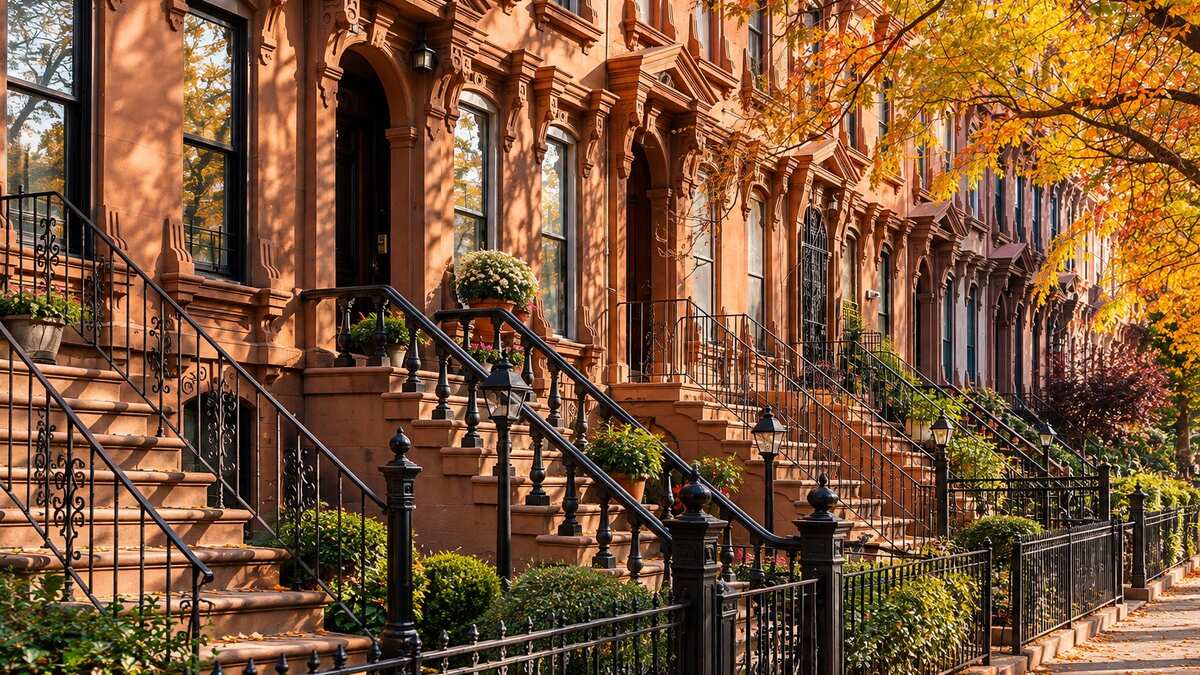
Brooklyn, New York, has taken the number-one position in a ranking of America’s “coziest” autumn destinations, placing ahead of established seasonal favourites including Salem and Boston in Massachusetts. The ranking, attributed to vacation rental specialist Big House Experience and based on traveller engagement across Reddit discussions, recorded 18,944 upvotes for Brooklyn, compared with 17,454 for Salem and 16,040 for Boston. The result comes as Brooklyn enters its October 2026 autumn season with foliage, harvest celebrations, Halloween programming, waterfront experiences and neighbourhood-based tourism offering visitors an alternative to the traditional rural New England fall escape.
Brooklyn Takes the Crown in an Unusual Traveller-Led Autumn Ranking
The ranking stands out because it was not built around expert panels, editorial voting or conventional tourism awards. According to the study information supplied, Big House Experience analysed traveller conversations on Reddit, including travel and local recommendation discussions, and ranked destinations according to the total volume of upvotes attached to relevant conversations about cosy autumn getaways.
Brooklyn finished first with 18,944 upvotes. Salem, one of the best-known Halloween destinations in the United States, ranked second with 17,454 upvotes, while Boston followed with 16,040. The ranking also identified Mystic in Connecticut and Staunton in Virginia among the leading destinations. Solvang in California appeared at number seven, while Telluride in Colorado ranked ninth.
The methodology makes the findings a measure of online traveller sentiment rather than an objective assessment of destination quality. However, the result is significant for tourism because Brooklyn represents a very different type of autumn destination from many places traditionally associated with the season.
Advertisement
Advertisement
| Ranking position | Destination | Autumn appeal highlighted |
|---|---|---|
| 1 | Brooklyn, New York | Brownstones, neighbourhood cafés, foliage and seasonal festivals |
| 2 | Salem, Massachusetts | Historic streets, Halloween culture and witch-trial heritage |
| 3 | Boston, Massachusetts | New England city scenery, heritage and autumn foliage |
| Top five | Mystic, Connecticut | Maritime heritage and historic streets |
| Top five | Staunton, Virginia | Shenandoah Valley landscapes and historic character |
| 7 | Solvang, California | Danish-style architecture, bakeries and village streets |
| 9 | Telluride, Colorado | Golden aspens and Rocky Mountain scenery |
Why Brooklyn Is Breaking the Traditional Fall Travel Formula
American autumn tourism has long been dominated by scenic driving routes, mountain landscapes and the forests of New England. Brooklyn challenges that formula. Instead of asking travellers to leave the city for a foliage road trip, the borough combines autumn colour with residential streets, heritage architecture, community events, parks, restaurants, cafés and public transport.
Areas including Brooklyn Heights, Cobble Hill, Fort Greene and Park Slope are known for brownstone architecture and mature tree-lined streets. During autumn, the changing canopy can give these dense urban neighbourhoods a distinctly seasonal atmosphere. That combination helps explain why Brooklyn can compete with destinations where natural scenery forms the principal tourism attraction. Visitors can walk through residential areas, stop at independent cafés and shops, continue into major parks and gardens and finish the day beside the East River. The entire experience can take place without leaving New York City. For the travel trade, that creates an easily packaged autumn city-break product rather than a separate rural excursion.
Advertisement
Advertisement
Brooklyn Botanic Garden Gives October Visitors a Major Seasonal Anchor
Brooklyn Botanic Garden is one of the strongest attractions supporting Brooklyn’s autumn positioning in 2026. Its Fall Harvest Festival takes place on Saturday, 24 October 2026, from 11 a.m. until 5 p.m., with last entry scheduled for 4.30 p.m. The official programme includes live music, family activities, pumpkin decorating and a cider and beer garden. Visitors are also encouraged to arrive in autumn clothing or costumes for an afternoon parade.
The festival is not Brooklyn Botanic Garden’s only seasonal offering. Its Seasonal Highlights Tour operates Tuesday through Sunday from 8 September until 31 October 2026, concentrating on early autumn foliage, fruits and flowers. Family programmes including Fall First Discoveries and Discovery Fall Seed Exchange also run during the season. That calendar strengthens Brooklyn’s ability to attract visitors throughout October rather than relying on one weekend. For tour operators and travel planners, it creates several opportunities for structured itineraries combining nature, family travel and neighbourhood exploration.
Brooklyn Bridge Park Brings Autumn to the New York Waterfront
Another major contributor to Brooklyn’s seasonal appeal is Brooklyn Bridge Park. The waterfront destination covers 85 acres and attracts millions of visitors annually, according to the park authority. It combines greenery, landscaped spaces, recreational facilities and East River views while remaining close to Downtown Brooklyn and Lower Manhattan.
Its 2026 autumn calendar expands the borough’s seasonal proposition considerably. The park’s annual Harvest Festival returns on 17 October 2026 from 11 a.m. to 3 p.m. at Pier 6. The free event includes live music, arts and crafts, educational activities, face painting and a miniature pumpkin patch. Costumes are encouraged as Brooklyn moves towards Halloween. Additional October programmes include Waterfront Walks, a Fall Trees Walk on 24 October and a Fall Migration Bird Walk on 25 October. These activities give visitors several reasons to experience Brooklyn’s waterfront beyond the traditional views of Manhattan and the Brooklyn Bridge.
Prospect Park Adds a Bigger Nature Experience Without Leaving Brooklyn
Prospect Park further strengthens Brooklyn’s ability to deliver an autumn experience within an urban setting. Its large lawns, wooded spaces, walking routes and lake environment create a major green corridor beside Park Slope and Prospect Heights. For visitors, its importance lies in location.
Prospect Park can be combined naturally with Brooklyn Botanic Garden and Grand Army Plaza, allowing travellers to move through several major autumn attractions within a relatively concentrated area. The surrounding transport network makes the district particularly accessible. Official Metropolitan Transportation Authority maps show Grand Army Plaza served by the 2 and 3 subway lines, Prospect Park by the B and Q services, and nearby Bergen Street and Seventh Avenue stations connecting travellers through additional routes including the F and G. That connectivity gives Brooklyn an important advantage over remote foliage destinations where visitors may require a hire car.
Advertisement
Advertisement
Halloween Gives Brooklyn an Extra Seasonal Tourism Layer
Autumn tourism in Brooklyn does not end with leaves and harvest celebrations. Halloween gives October an additional layer of visitor demand. Brooklyn’s residential character makes several neighbourhoods particularly suited to community celebrations, decorated homes and trick-or-treat activity. The borough’s attraction therefore extends beyond sightseeing into neighbourhood participation. Families can combine daytime park visits, gardens and waterfront experiences with seasonal community activities later in the day.
This creates a broader tourism proposition than foliage alone and gives travellers a reason to plan visits around specific October weekends. Brooklyn Botanic Garden’s costume element and Brooklyn Bridge Park’s Halloween-themed Harvest Festival also connect established visitor attractions with the wider seasonal atmosphere. For tourism businesses, Halloween creates opportunities for restaurants, accommodation providers, guided tours and local retailers to build seasonal products around increased neighbourhood footfall.
Brooklyn’s Brownstones Become Part of the Destination Experience
One of the most important features behind Brooklyn’s ranking is something that cannot be reduced to a single attraction. Its residential streets have become part of the visitor experience. Historic brownstones, stoops, mature trees and smaller commercial corridors can produce an atmosphere very different from Midtown Manhattan. Park Slope, Cobble Hill, Brooklyn Heights and Fort Greene are especially associated with this neighbourhood-led experience.
Visitors increasingly build urban trips around walking rather than simply moving between major landmarks. A morning can begin with coffee in a residential district, continue through a park or garden and end at the waterfront. That type of slower neighbourhood tourism may help explain the strong traveller response identified in the ranking. It also spreads visitor expenditure into smaller businesses rather than concentrating tourism only around major attractions.
Peak Autumn Colour Can Extend Brooklyn’s Seasonal Window
The timing of autumn foliage also works differently in Brooklyn from destinations farther north. Seasonal colour generally develops later in New York City than in northern New England, allowing Brooklyn to remain relevant when foliage has already peaked in some colder destinations. The user-supplied travel information places Brooklyn’s most attractive foliage period broadly between late October and mid-November.
Actual peak colour varies from year to year because temperature, rainfall, wind and other environmental conditions affect leaf development. For travellers, that later window can be valuable. Visitors who miss earlier New England foliage may still find autumn colour in New York City while combining it with museums, restaurants, shopping and entertainment. That makes Brooklyn particularly useful for flexible city-break planning.
Advertisement
Advertisement
Comfortable Walking Weather Supports Neighbourhood Tourism
Autumn conditions also favour Brooklyn’s walking-based tourism model. The supplied travel data indicates typical October daytime highs ranging around 55°F to 68°F, or approximately 13°C to 20°C, with November conditions cooling towards roughly 48°F to 58°F, or 9°C to 14°C. These conditions can suit long walks through parks and residential neighbourhoods, although visitors should expect considerable day-to-day variation.
The absence of a car requirement is equally important. New York’s subway network links Brooklyn’s major tourism districts with Manhattan and other parts of the city, making it possible for international and domestic visitors to build an autumn itinerary entirely around public transport and walking. That is a substantial advantage for short stays.
Salem and Boston Remain Powerful Autumn Rivals
Brooklyn’s first-place ranking does not diminish the established tourism strengths of Salem or Boston. Salem remains internationally associated with the 1692 witch trials and has developed a major Halloween tourism economy around its historic identity. Boston offers a different proposition built around New England heritage, historic architecture, parks and urban foliage.
Mystic adds a maritime setting, while Staunton connects travellers with the landscapes of Virginia’s Shenandoah Valley. Telluride represents a much more nature-led autumn product through its golden aspen displays and mountain surroundings. Solvang offers European-inspired streetscapes and Danish heritage in California. What makes Brooklyn distinctive is that it combines several tourism categories simultaneously. It is an urban destination, a neighbourhood destination, a food destination, a park destination and an events destination.
What Brooklyn’s Number-One Position Means for the Travel Industry
The ranking has broader implications for destination marketers and travel businesses. Seasonality can be created through neighbourhood identity as effectively as through dramatic natural scenery. Brooklyn does not need to compete directly with Vermont forests or Colorado mountains. Its advantage lies in combining autumn with one of the world’s largest city destinations.
Tour operators can package Brooklyn as a dedicated seasonal day trip from Manhattan or position the borough as a base for travellers seeking a more residential New York experience. Accommodation providers can link stays with walking routes, gardens, Halloween events and waterfront programmes. Local cafés, restaurants and independent retailers can also benefit from travellers who increasingly explore neighbourhoods rather than remaining inside the traditional central sightseeing circuit.
Advertisement
Advertisement
Brooklyn Emerges as a Different Kind of American Autumn Escape
Brooklyn’s 18,944-upvote result points towards a changing definition of the American autumn getaway. Travellers do not necessarily need mountains, remote forests or country inns to experience the season. In Brooklyn, autumn is built around brownstone streets, mature tree canopies, waterfront landscapes, public parks, cafés, neighbourhood businesses and a growing calendar of seasonal events. Brooklyn Botanic Garden’s Fall Harvest Festival on 24 October and Brooklyn Bridge Park’s Harvest Festival on 17 October provide two major confirmed anchors for the 2026 season, alongside foliage walks, family programmes and waterfront activities.
That mixture makes Brooklyn particularly relevant to travellers seeking an autumn trip that combines outdoor scenery with the convenience and cultural depth of New York City. For the tourism industry, Brooklyn’s ranking carries an equally important message. Seasonal travel demand is becoming less dependent on conventional destination categories. A city neighbourhood with strong public spaces, heritage architecture and community events can compete for the same traveller attention traditionally commanded by forests, mountain towns and historic villages.
Advertisement
