
Saudi Arabia Joins Indonesia, Spai and Global UN Tourism Partners in Expanding Religious and Leisure Travel Connectivity, Strengthening Visitor Exchange, Enhancing Hajj and Umrah Experiences, and Unlocking New Opportunities for Sustainable Tourism Growth Across the Middle East and Southeast Asia

Published
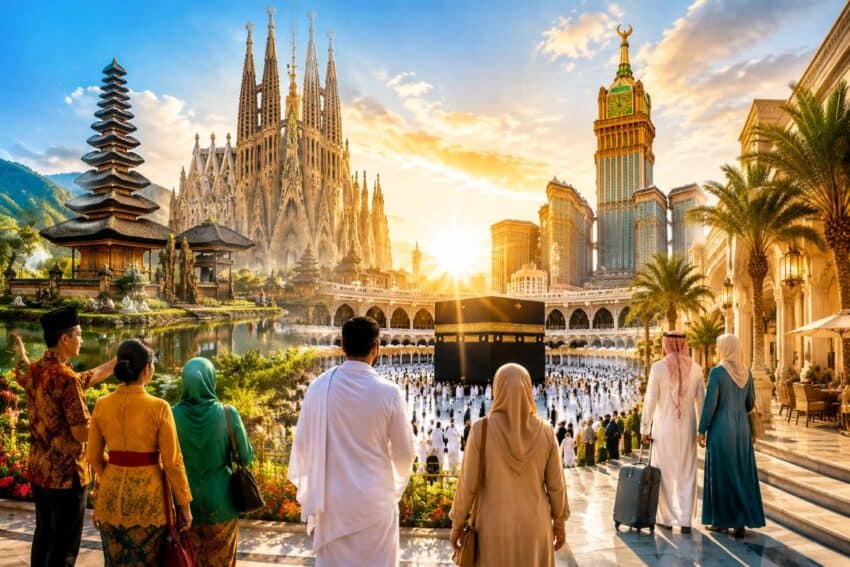
Image generated with Ai
Saudi Arabia and Indonesia are deepening their tourism partnership at a time when global travel demand for religious, cultural, and experiential tourism continues to accelerate. During discussions held on the sidelines of the 126th Session of the UN Tourism Executive Council in Toledo, Spain, tourism leaders from both nations explored new opportunities to increase visitor flows, strengthen tourism cooperation, and create more seamless travel experiences for travelers moving between the Middle East and Southeast Asia. The growing partnership reflects a broader trend within the global tourism sector where governments are prioritizing connectivity, visitor diversification, workforce development, and sustainable destination growth.
The renewed tourism engagement carries significant implications for international travelers, tourism businesses, airlines, hospitality providers, pilgrimage operators, and destination marketers. Saudi Arabia aims to broaden visitor experiences beyond its traditional pilgrimage destinations, while Indonesia is positioning itself to attract more travelers from the Gulf region through improved hospitality standards and specialized tourism training initiatives. As both countries continue implementing collaborative tourism strategies, the partnership is expected to contribute to stronger economic links, increased visitor spending, expanded cultural exchange, and greater resilience within the tourism ecosystems of both nations.
Saudi Arabia and Indonesia Deepen Tourism Cooperation to Drive Long-Term Visitor Growth
The latest discussions between Saudi Arabia and Indonesia underscore the growing importance of bilateral tourism partnerships in shaping international travel flows. Tourism officials from both countries reviewed progress under their existing tourism cooperation framework and explored additional pathways to strengthen travel ties.
The relationship between Saudi Arabia and Indonesia is unique due to strong cultural, religious, and people-to-people connections that have developed over decades. Millions of Indonesian travelers visit Saudi Arabia annually for religious purposes, making Indonesia one of the kingdom’s most important tourism source markets. At the same time, Saudi Arabia represents an increasingly valuable outbound tourism market for Indonesia as travel demand from Gulf nations continues to grow.
Advertisement
Advertisement
Both governments are seeking to transform this longstanding relationship into a broader tourism partnership encompassing leisure tourism, cultural exploration, hospitality investment, workforce development, and destination promotion. The objective is to create more opportunities for travelers while delivering economic benefits to local communities and tourism businesses.
Advertisement
Advertisement
Religious Tourism Remains a Cornerstone of the Saudi Arabia Indonesia Travel Relationship
One of the most significant pillars of cooperation between the two countries remains religious tourism. Saudi Arabia continues to welcome millions of Muslim pilgrims from around the world for Hajj and Umrah, and Indonesian travelers represent one of the largest pilgrimage groups globally.
Tourism leaders discussed opportunities to enrich the visitor experience for Indonesian pilgrims by encouraging exploration beyond the holy cities of Makkah and Madinah. This approach aligns with Saudi Arabia’s broader tourism diversification strategy, which seeks to introduce visitors to additional cultural, heritage, entertainment, and natural attractions throughout the country.
For travelers, this could mean more comprehensive itineraries that combine spiritual journeys with cultural experiences, historical site visits, coastal tourism, and emerging tourism destinations. Such initiatives have the potential to increase visitor stays, boost tourism spending, and create greater awareness of Saudi Arabia’s expanding tourism offerings.
The focus on enhancing pilgrimage-related travel experiences also supports efforts to improve visitor satisfaction while promoting more sustainable tourism distribution across multiple regions of the kingdom.
Indonesia Strengthens Readiness to Welcome More Visitors from the Gulf Region
Indonesia is simultaneously taking steps to position itself as a more attractive destination for travelers from Saudi Arabia and other Gulf Cooperation Council markets. Tourism officials highlighted plans to improve hospitality services and strengthen tourism workforce capabilities to better serve Arabic-speaking visitors.
Advertisement
Advertisement
A key proposal involves the establishment of Arabic and Hospitality Centers at the Lombok Tourism Polytechnic. The initiative is designed to equip tourism professionals with specialized language skills, cultural understanding, and service capabilities that align with the expectations of travelers from the Arab world.
Such workforce development measures are increasingly important as destinations compete for high-value international visitors. By investing in training and education, Indonesia aims to ensure that hotels, tour operators, transportation providers, and tourism service professionals can deliver experiences that meet international standards.
Improved cultural understanding and communication capabilities are expected to enhance traveler comfort, satisfaction, and destination loyalty while encouraging repeat visitation from Gulf markets.
Tourism Collaboration Supports Economic Diversification and Sustainable Development Goals
Beyond visitor numbers, the Saudi Arabia–Indonesia tourism partnership reflects wider economic and development objectives pursued by both nations. Tourism has become a strategic sector for economic diversification, job creation, investment attraction, and regional development.
By increasing tourism exchanges, both countries can stimulate demand across multiple sectors, including aviation, accommodation, food services, transportation, retail, cultural attractions, and event management. Tourism growth also creates opportunities for small and medium-sized enterprises that support visitor experiences and destination services.
Advertisement
Advertisement
The partnership further aligns with international tourism priorities emphasizing sustainability, resilience, and inclusive growth. Through collaboration, both nations can share expertise in destination management, tourism policy, digital innovation, workforce training, and visitor experience enhancement.
As global tourism continues to evolve, partnerships that balance economic growth with sustainable development principles are becoming increasingly important for long-term industry success.
UN Tourism Executive Council Meeting Highlights Growing International Cooperation
The bilateral tourism discussions took place during the 126th Session of the UN Tourism Executive Council in Toledo, Spain, providing an important international platform for tourism diplomacy and collaboration.
As active participants within global tourism governance structures, Saudi Arabia and Indonesia continue to support international efforts aimed at strengthening tourism resilience, promoting sustainable development, and fostering greater cooperation among destinations worldwide.
The meeting highlighted how tourism diplomacy can contribute to stronger bilateral relationships while advancing shared objectives related to economic growth, cultural exchange, and visitor mobility. By engaging through multilateral institutions, countries can coordinate strategies that address emerging tourism challenges and opportunities.
Advertisement
Advertisement
The discussions also reinforced the growing recognition that international tourism recovery and expansion depend heavily on partnerships that facilitate travel, improve visitor experiences, and support responsible destination development.
Saudi Arabia and Indonesia Position Themselves for a New Era of Cross-Regional Tourism Growth
The evolving tourism partnership between Saudi Arabia and Indonesia demonstrates how governments are adapting to changing traveler expectations and global tourism trends. Religious tourism remains a powerful foundation, but both countries are actively expanding the relationship to include leisure travel, cultural experiences, hospitality innovation, and workforce development.
For Saudi Arabia, the collaboration supports efforts to diversify tourism offerings and introduce international visitors to a broader range of destinations. For Indonesia, the initiative creates opportunities to attract more visitors from the Middle East while enhancing service quality and destination competitiveness.
As travel demand continues to rise across both regions, the strengthened partnership is expected to generate new tourism opportunities, support economic development, encourage cultural exchange, and contribute to a more connected global tourism landscape.
FAQs
Why are Saudi Arabia and Indonesia strengthening tourism cooperation?
Both countries aim to increase visitor flows, improve travel experiences, expand tourism opportunities, and support economic growth through stronger tourism collaboration.
Advertisement
Advertisement
What role does religious tourism play in the partnership?
Religious tourism remains central to the relationship, particularly through Hajj and Umrah travel by Indonesian pilgrims visiting Saudi Arabia.
What new initiatives is Indonesia proposing?
Indonesia has proposed establishing Arabic and Hospitality Centers at the Lombok Tourism Polytechnic to improve tourism workforce skills and better serve Arab travelers.
How could travelers benefit from the strengthened partnership?
Travelers may enjoy improved tourism services, expanded travel options, enhanced cultural experiences, and more comprehensive itineraries linking religious and leisure tourism.
Where were the tourism discussions held?
The discussions took place during the 126th Session of the UN Tourism Executive Council in Toledo, Spain.
What are the broader tourism goals of the partnership?
The partnership aims to support sustainable tourism development, economic diversification, visitor growth, workforce development, and stronger cultural connections between the Middle East and Southeast Asia.
Advertisement
Advertisement
How does the cooperation support Saudi Arabia’s tourism strategy?
The collaboration helps Saudi Arabia promote destinations beyond Makkah and Madinah while attracting more international visitors to its expanding tourism sector.
Why is the Gulf tourism market important for Indonesia?
Travelers from Saudi Arabia and other Gulf countries represent a growing and high-value tourism segment that can contribute significantly to Indonesia’s tourism economy.
Advertisement
