
Colombia Heritage Boom, Experience Dramatic Andean Sunset Views And Historic Plazas That Redefine Urban Travel

Published
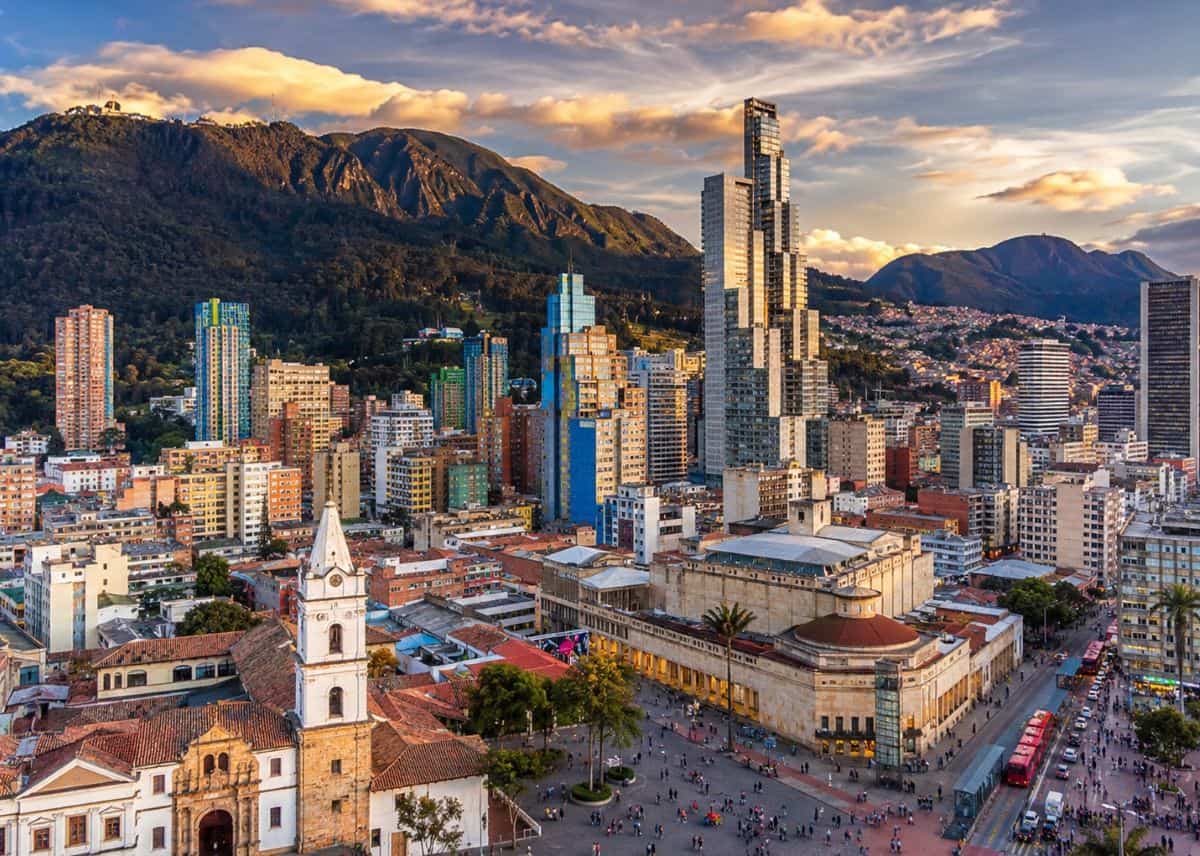
Image generated with Ai
Bogotá, Colombia is like a piece of postmodern art displaying its local Andean culture. Wherever you go in Bogotá you will be impressed and inspired to the point of speechlessness. There is no way to describe the awe inspired by this city. It has something beautiful and inspiring, it has passion, energy, and is full of creativity, life, and even the spirit of its people. It has an open-armed welcoming street just waiting to be loved. Travelers are beginning to want to go to the next big culture destination, but they should want more than the typical, boring, ultra-modern “vacation spots.” Bogotá and its surrounding areas offer a great way to slow down and enjoy the sunset. People who appreciate travel have the privilege of experiencing the world’s amazing sunsets like the ones Bogotá offers.
Elevating the Global Travel Industry Through High-Altitude South American Heritage and Urban Dynamics
Advertisement
Advertisement
The global tourism sector is experiencing a fundamental structural shift as international travelers increasingly prioritize destinations that seamlessly weave historical preservation with modern urban infrastructure. Elevated high within the towering range of the Andes Mountains, the capital city of Colombia serves as an indispensable reference point for this evolving consumer demand. Industry observers note that modern visitors no longer seek passive leisure exclusively; instead, they demand complex environments where rich ancestral legacies coexist with sophisticated metropolitan conveniences. The presence of dramatic mountain backdrops framing expansive, walkable urban corridors creates an extraordinary visual and experiential appeal that sets high-altitude inland destinations apart from traditional coastal holiday hubs. Consequently, tour architects worldwide are restructuring South American itineraries to emphasize long-term cultural engagement, extended municipal stays, and deeper geographical exploration.
Furthermore, the intentional integration of historic architecture into daily metropolitan life offers international guests a deeply educational yet thoroughly exhilarating travel experience. By carefully maintaining colonial plazas, century-old landmark structures, and culturally expressive neighborhood districts, civic leaders ensure that visitors engage directly with local history without forfeiting contemporary standards of comfort. This harmonious equilibrium between legacy structure conservation and municipal modernization provides a viable blueprint for emerging tourist hubs around the globe. As international destination management organizations examine these economic outcomes, strategic focus shifts decisively toward authentic cultural conservation as the primary driver of sustainable international arrivals. Consequently, investment flows into regional infrastructure, protecting historic assets while enhancing transport accessibility for international guests.
Advertisement
Advertisement
Fostering Regional Economic Growth and Preserving Architectural Legacies Across Metropolitan Landscapes
Advertisement
Advertisement
In addition to physical preservation, the global expansion of heritage-driven tourism continues to revitalize regional economies, traditional craftsmanship, and local hospitality networks. Foreign visitors actively seek out curated itineraries featuring authentic artistic traditions, regional culinary offerings, and community-guided historical journeys. This continuous international demand prompts municipal authorities and global trip planners to prioritize non-disruptive infrastructure investments, ensuring that historic quarters remain structurally sound and vibrant for future generations. As a result, the region solidifies its standing as a major magnet for discerning global wanderers dedicated to immersive, context-rich travel experiences across South America.
Moreover, the protection of landmark architecture encourages local artistic communities to thrive alongside mainstream commercial enterprises. Traditional artisan markets, historic preservation efforts, and neighborhood-led cultural initiatives gain increased visibility as international arrivals surge. This economic integration ensures that financial gains from global tourism directly support municipal conservation efforts and community development programs. Consequently, high-altitude metropolitan destinations serve as key examples of how localized cultural pride can effectively fuel sustainable international travel growth without compromising historical authenticity.
Transforming Global Travel Preferences Through Authentic Cultural Encounters and Panoramic Mountain Vistas
Profound shifts in traveler behavior are currently reshaping how international voyages are conceptualized, packaged, and executed across the global hospitality marketplace. Destinations situated high within the Andes Mountains illustrate how localized heritage itineraries and majestic elevated landscapes effectively satisfy the contemporary traveler’s desire for transformative experiences. When visitors observe panoramic sunset vistas across expansive metropolitan basins, their fundamental expectations of urban vacationing undergo a permanent shift. This international appetite for visual grandeur, coupled with direct community engagement, generates consistently higher booking volumes for regions capable of delivering both high-altitude outdoor adventure and authentic historical context.
Beyond visual aesthetics, the rising global interest in tradition-focused urban centers directly impacts how international trip providers formulate their promotional portfolios. Contemporary travel programs increasingly highlight non-traditional urban routes, urging explorers to venture into ancient architectural corridors, traditional artisan workshops, and indigenous culinary establishments. This deliberate operational pivot effectively redistributes global visitor traffic away from over-saturated beach resorts toward culturally dense inland capital cities like Bogotá, Colombia. In response to these changing traffic patterns, global airline networks and international hotel chains continue to reallocate capacity, expanding direct flight frequencies and hospitality inventory to satisfy the persistent influx of heritage-oriented international tourists.
Advertisement
Advertisement
Advancing Sustainable Urban Tourism and Environmental Consciousness in Elevated Mountain Hubs
Finally, the long-term impact of this travel evolution manifests as an elevated global consciousness regarding responsible, environmentally sustainable urban tourism. Explorers who encounter fragile mountain ecosystems paired with delicate historical quarters return home with a heightened commitment to sustainable travel practices worldwide. This cognitive shift encourages global adventurers to champion destinations that successfully balance economic progress with environmental and architectural conservation. As the international travel sector continues to adapt to these refined expectations, high-altitude heritage hubs will remain central to the ongoing transformation of global travel dynamics.
Furthermore, municipal policies within mountain capitals are increasingly aligning with global environmental standards to safeguard unique topographical assets. Protecting clear mountain views, regulating municipal expansion, and fostering green transit corridors are crucial steps toward maintaining long-term tourism viability. As international guests experience these environmental initiatives firsthand, their expectations for sustainable practices across all travel choices increase significantly. Ultimately, this growing environmental stewardship ensures that high-altitude cultural hubs maintain their unique allure, inspiring future generations of global explorers while protecting their irreplaceable natural and architectural heritage.
Elevating High-Altitude Culinary Legacies and Farm-to-Table Networks in Historic Quarters
The rise of Bogotá, Colombia, as a premier gastronomic capital plays a pivotal role in extending international visitor dwell time across inland South America. Travel specialists emphasize that regional culinary preservation serves as a vital anchor for heritage tourism. Within historical districts like La Candelaria, hyper-local farm-to-table dining networks actively showcase indigenous high-altitude ingredients and traditional Andean recipes, including iconic comfort dishes such as Ajiaco. By integrating authentic culinary heritage into daily city tours, local hospitality sectors capture higher direct spending from discerning global travelers.
Advertisement
Advertisement
Furthermore, this gastronomic evolution demonstrates to the global travel industry how food traditions drive economic growth outside standard resort corridors. Visitors who sample native herbs, mountain-grown potatoes, and traditional corn varieties develop a deeper respect for regional agricultural conservation. As international trip architects restructure itineraries to feature immersive dining circuits, the city establishes a sustainable model for urban culinary tourism.
Harnessing UNESCO Music Capital Designations and Vibrant Open-Air Public Festivals
Beyond culinary arts, the official recognition of Bogotá, Colombia, as a UNESCO Creative City of Music reshapes how global trip designers evaluate urban public space. Municipal initiatives successfully integrate live performing arts and open-air public festival programs—such as the acclaimed Festivales al Parque into historical plazas and public parks framed by the Andes Mountains. Consequently, international visitors encounter an energetic, community-led atmosphere that transforms traditional sightseeing into an active cultural exchange.
Ultimately, these city-wide artistic programs demonstrate how progressive municipal policies elevate international traveler engagement. By blending historic preservation, high-altitude mountain scenery, culinary authenticity, and dynamic musical traditions, the capital city offers a powerful template for sustainable urban destinations worldwide.
Things you should know before visiting Bogotá
Advertisement
Advertisement
Bogotá may very well steal your soul. The Andes is home to some absolutely breathtaking views, and Bogotá is no exception to that. Bogotá has an almost tangible magic that you can feel along every street. You can feel the history and you can feel the warmth of the locals in La Candelaria as you eat some grub. The city’s magic, the people, and the culture is enough to inspire the hunger to travel. You don’t get that feeling and capture that moment by taking a souvenir, you create that by being there. You have to be there to see for yourself and experience the stories that this city has for you.
Arranging your trip to South America in this manner allows you to check off a lot of things that are missed when you go running to stay at an all inclusive resort. Bogotá has a lot of things to offer, and it’s certainly a more fun way to experience true South American culture and the amazing sunsets. This trip will bring you memories and photos you can be proud to have and treasure without having to go on another vacation because it contains more and better memories than the trip itself. You will never come back from this place because it certainly has your soul, and it entices you to come back again and again.
Advertisement
