
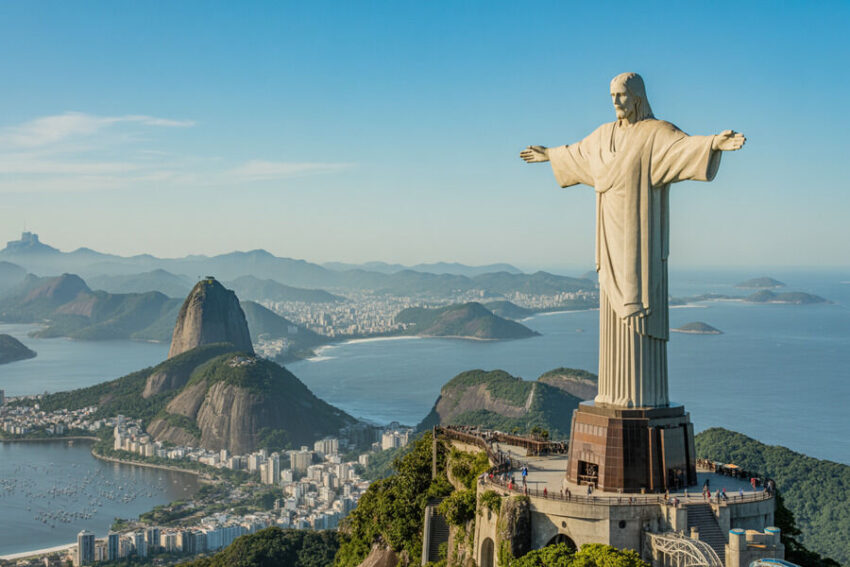
Image generated with Ai
Brazil Joins Germany, El Salvador, Mexico, Spain, France, Chile, Antarctica And More As Canada Issues Urgent Warning Amid Escalating Security Crises And Political Uncertainty due to rising security threats, increasing political instability, and violent crime affecting major cities and regions across these nations. From gang warfare in Brazil and violent extremism in Germany, to widespread protests in France and El Salvador’s arbitrary detentions, these countries have seen a dangerous uptick in instability that poses a significant risk to travelers. Canada’s latest travel advisory underscores the urgent need for caution, as escalating tensions, terrorism, and organized crime threaten the safety of Canadian citizens abroad.
Canada’s latest urgent travel warning raises alarm bells for citizens worldwide, as several countries teeter on the edge of escalating crises, including Brazil, Germany, El Salvador, Mexico, Spain, France, Chile, and even remote Antarctica. Rising security risks, unpredictable political climates, and alarming levels of violence are becoming the norm in regions that once prided themselves on safety and stability. Travelers need to heed these warnings as violent crimes, gang activity, terrorism, and political instability intensify, putting both locals and foreigners at greater risk. Let’s take a closer look at why Canada is now urging its citizens to stay alert and cautious across the globe.
Brazil, once a land of endless beauty and vibrant culture, is now facing an unsettling wave of violence and instability that has shaken its very foundation. Known for its lush rainforests, spectacular beaches, and the iconic Carnival, Brazil has seen a surge in criminal activity and gang-related violence that has made it increasingly unsafe for foreign nationals.
Unrelenting Crime and Gang Warfare
In major urban centers like Rio de Janeiro, São Paulo, and Salvador, violence is no longer confined to the underworld—it’s spilling onto the streets. Armed robberies, carjackings, and violent assaults are everyday occurrences, with criminal gangs battling for control over drug trafficking routes. With high-profile tourist attractions, restaurants, and hotels no longer immune to these threats, innocent bystanders often find themselves at the mercy of violent criminals.
Advertisement
Advertisement
Escalating Political Tensions
Political instability is also a pressing concern. The government is struggling to maintain control over the rise of organized crime, and unrest is now spilling into protests that often escalate into violence. Canada’s advisory highlights that regions facing political instability, coupled with high levels of crime, are particularly hazardous for tourists. The government’s inability to curb escalating violence in some parts of the country has forced Canada to issue this urgent warning.
Border Areas: A Hotbed of Crime
Mexico shares its borders with Colombia, Venezuela, and Paraguay, and these areas have become the epicenters for criminal activity, including drug and arms smuggling. Canada’s advisory recommends avoiding these regions altogether due to the frequency of violent incidents, which often involve organized criminal gangs with heavy weaponry. Tourists traveling in these areas risk becoming unintended casualties in the ongoing war between rival criminal factions.
Once considered a beacon of stability in Europe, Germany now finds itself grappling with an increasing wave of terrorism and violent extremism. The threat of terrorist attacks has grown exponentially in recent years, leaving the country more vulnerable than ever.
Terrorism: An Imminent Danger to Public Spaces
Public places—such as airports, train stations, tourist attractions, and restaurants—have become prime targets for extremists seeking to inflict terror. Germany has witnessed multiple terrorist attacks in recent years, some of which targeted foreign nationals and tourists. With terrorist cells operating within the country and across Europe, Canada’s warning has become more dire, advising travelers to exercise extreme caution in public spaces, especially during high-profile events.
Far-Right Extremism and Political Violence
In addition to terrorism, Germany is also contending with rising far-right extremism. Violent attacks against religious, ethnic, and political minorities have increased, raising concerns about safety in urban centers. Tourists, while not explicitly targeted, are not exempt from the risks posed by such extremist movements. The social and political fabric of the country is fraying, and Canada’s advisory reflects these growing concerns.
Unrest and Demonstrations
Germany’s political landscape has become increasingly volatile. Demonstrations over immigration policies, terrorism, and national security continue to disrupt major cities, often turning violent. These gatherings can paralyze transport, delay travel plans, and create a volatile environment for those in the vicinity.
El Salvador, once a promising Central American destination, is now a nation in turmoil, with a rising crime rate and severe political instability. While recent years have seen improvements in the government’s handling of gang violence, the “state of exception” remains in force, making the country a potential minefield for tourists.
Arbitrary Detentions and State of Exception
Since March 2022, El Salvador has been under a state of exception, granting security forces the power to detain individuals without due process. This has led to arbitrary detentions of both locals and foreigners. For travelers, this means facing the risk of being detained on vague charges, often without the right to a fair trial or access to consular assistance. El Salvador’s legal system remains under severe strain, and the lack of due process for those detained raises grave concerns for Canadian citizens visiting or residing there.
Gang Violence: An Ever-Present Threat
Despite efforts to reduce gang-related violence, El Salvador remains a hotspot for petty and violent crime, particularly in the capital, San Salvador, and other high-risk areas. Tourists are often the targets of gang activity, which ranges from muggings to violent assaults. The increasing presence of criminal groups, even in previously safe tourist districts, has forced Canada to advise against unnecessary travel to the country.
Protests and Public Unrest
El Salvador’s political landscape is fraught with unrest, and demonstrations regularly turn violent. While peaceful protests are commonplace, the risk of violent clashes between protesters and security forces has led Canada to issue a cautionary advisory. Travelers are advised to stay clear of political gatherings to avoid becoming caught in potential violence.
Mexico’s reputation as a popular vacation destination has been overshadowed by rising crime rates, organized violence, and a lack of security in certain regions. The government’s ongoing struggle against cartels and criminal organizations has exacerbated the risk to tourists.
Organized Crime: A Persistent Threat
Mexico’s drug cartels and criminal groups remain an active and dangerous force across the country. With violent turf wars regularly erupting in major cities like Mexico City, Guadalajara, and Monterrey, tourists are at risk of being caught in the crossfire. While authorities have made efforts to improve security in tourist hotspots, violent clashes continue to plague various regions, particularly those located outside major cities.
Kidnappings: An Alarming Trend
Kidnappings, especially of foreigners, have become increasingly common in Mexico. Criminals often demand ransom from victims or force them to make financial withdrawals from ATMs. Travelers should be vigilant and avoid risky areas where these incidents are more likely to occur. Mexico’s high levels of corruption also make it difficult for victims to rely on the local police for assistance.
Border Areas: A No-Go Zone
Mexico’s border regions are notorious for criminal activity, and crossing these areas is particularly dangerous for foreigners. Criminal groups engage in violence, roadblocks, and ambushes, targeting tourists traveling by land. Canada’s advisory strongly advises against crossing land borders and encourages air travel instead.
Chile, a top tourist destination in South America, is no stranger to natural disasters, including earthquakes. However, political unrest and rising security concerns have added another layer of risk to traveling in this otherwise stunning country.
Earthquake and Natural Disasters
Chile is located along the Pacific Ring of Fire, making it highly susceptible to seismic activity. Earthquakes and tsunamis have struck the region with little warning, making it crucial for travelers to stay informed about emergency procedures when visiting.
Political Unrest and Protests
Chile has also seen a rise in political protests, particularly regarding economic inequality and social reforms. While protests often focus on internal issues, they can quickly turn violent, leading to traffic disruptions, roadblocks, and general insecurity.
While Antarctica may seem like a remote, untouched paradise, it faces growing challenges, especially regarding environmental degradation and geopolitical disputes over territorial claims. These risks, though not immediate threats to travelers, have prompted Canada to issue a more cautious stance on visiting the frozen continent.
Environmental Challenges
Antarctica’s unique ecosystem is facing threats due to climate change, with melting ice and shifts in wildlife patterns. Although tourist visits are heavily regulated, any disruption to the environment could affect access and safety. Moreover, international disputes over territorial claims make it a politically unstable region.
Brazil Joins Germany, El Salvador, Mexico, Spain, France, Chile, Antarctica And More As Canada Issues Urgent Warning Amid Escalating Security Crises And Political Uncertainty due to rising violence, terrorism, and political unrest that have put travelers at significant risk across these nations. With escalating crime, protests, and threats from organized criminal groups, Canada is urging its citizens to exercise extreme caution.
As Canada issues an urgent high-level advisory for its citizens, the reality of escalating security risks and political instability across several countries has never been more apparent. From Brazil’s rising violence to Mexico’s rampant cartel activity, from Germany’s terrorist threat to El Salvador’s legal uncertainties, travelers must remain vigilant, informed, and cautious. Political unrest, gang violence, and terrorist activities are increasingly common threats, making travel to these regions fraught with danger. Canada’s citizens must heed these warnings, make well-informed decisions, and avoid unnecessary travel to regions marked by violence and unrest. As geopolitical tensions continue to rise, it’s more important than ever for Canadians to stay up to date with travel advisories and take proactive measures to ensure their safety while abroad.
Advertisement
Tags: brazil, Canada travel advisory, germany, mexico, Travel News
Advertisement
Advertisement













Sunday, September 6, 2026

Sunday, September 6, 2026

Sunday, September 6, 2026

Sunday, September 6, 2026

Saturday, September 5, 2026

Saturday, September 5, 2026
Saturday, September 5, 2026

Saturday, September 5, 2026



