
Budapest Proves Why The Booming Trend Of Integrated Tourism Is The Best Way To Travel Through The Heart And Soul Of Hungary

Published
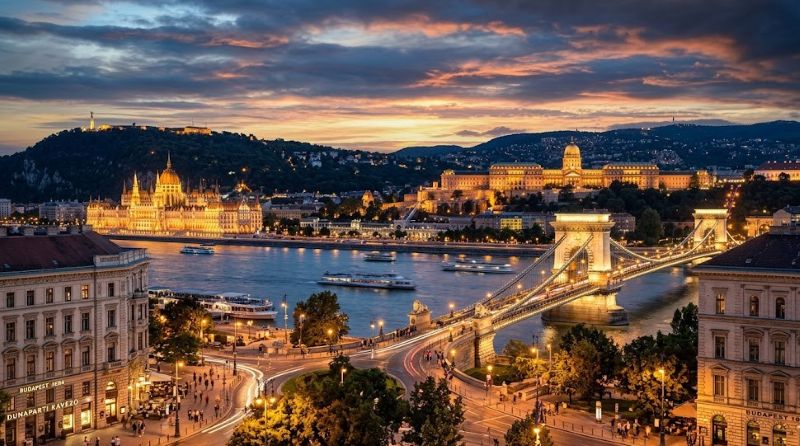 Image generated with Ai
As the global tourism landscape transitions toward the pivotal year of 2026, a profound metamorphosis is taking place within the heart of Central Europe. This region, long revered for its deep-seated cultural heritage, is now unveiling a sophisticated synergy that has begun to captivate the international community. The concept of the Hungarian Golden Duo serves as the primary catalyst for this change, effectively harmonizing a high-energy, historically rich metropolitan center with the tranquil, volcanic beauty of a nearby inland sea. Furthermore, this strategic reimagining is transforming the area into a versatile playground designed to satisfy both the craving for high-end luxury and the drive for vigorous, nature-based exploration. Consequently, the travel industry is shifting its gaze toward this innovative model, where neo-Gothic spires and rugged, natural terrains dominate the conversation. Modern travelers are clearly moving away from isolated city excursions; instead, they are actively pursuing integrated, multi-environment journeys that offer a resonant soul and a more profound connection to indigenous history.
The upcoming era of international exploration is defined by a move toward holistic experiences. Industry experts have noted that the seamless link between urban centers and natural retreats is no longer just a luxury, but a fundamental expectation. By bridging the gap between stone and water, this region provides a blueprint for how a nation can modernize its infrastructure while simultaneously honoring its ecological and historical roots. This specific focus on a Golden Duo ensures that visitors do not have to choose between the pulse of a city and the silence of the hills. Instead, they are invited to experience a comprehensive narrative that stretches from the banks of a majestic river to the sun-drenched slopes of a volcanic shore.
Advertisement
Advertisement
The Architectural Grandeur of the Danube
It is frequently remarked by historians and explorers alike that the city of Budapest possesses an unmatched elegance, earning it the enduring moniker of the “Paris of the East.” From a structural perspective, the city is a masterpiece of duality, divided into the hilly, historic Buda and the flat, vibrant Pest. These two distinct identities are beautifully stitched together by the Széchenyi Chain Bridge, which remains a spectacular monument to 19th-century engineering and national unity.
Advertisement
Advertisement
For the global traveler, several locations within this urban landscape are considered non-negotiable landmarks:
- The Hungarian Parliament Building stands as a towering symbol of sovereignty, containing 691 rooms that represent the pinnacle of neo-Gothic design and craftsmanship.
- The Fisherman’s Bastion, with its ethereal towers and ramparts, offers a fairy-tale aesthetic that allows visitors to gaze out over the shimmering Danube and the city’s ever-changing silhouette.
Technological progress is also reshaping the way visitors interact with these ancient stones. The introduction of the Living Grid initiative represents a bold step toward the future of smart cities. By harnessing the power of edge computing, the administration is making heritage sites more interactive and easier to navigate for the contemporary, digitally-driven tourist. Furthermore, the city’s legendary thermal spring culture is evolving. While the Széchenyi Thermal Baths continue to serve as a grand cathedral of relaxation, there is a visible rise in boutique wellness retreats. these modern establishments focus heavily on the concepts of “slow travel” and specialized medical tourism, aligning perfectly with the global movement toward health-oriented and restorative travel.
Advertisement
Advertisement
The Renaissance of the Hungarian Sea
A short journey of approximately 90 minutes from the urban center leads travelers to the shores of Lake Balaton, a region currently undergoing an extraordinary cultural and culinary rebirth. It is no longer accurate to describe this area as a simple summer vacation spot. Rather, it has matured into a sophisticated, year-round destination that excels in active tourism and the fascinating, growing sector of Noctourism. This evolution is most apparent on the Tihany Peninsula, a volcanic formation that is home to an 11th-century Benedictine Abbey. As the early summer sun warms the land, the area is flooded with the scent of blooming lavender, and the surrounding terrain offers world-class hiking routes that attract enthusiasts from every corner of the globe.
Advertisement
Advertisement
The physical framework of the region has been meticulously updated to meet the rigorous demands of international visitors. The Balaton Bringakörút, a specialized 210-kilometer Bike Circuit, empowers travelers to explore the shoreline at their own speed. This path creates a vital connection between sustainable eco-lodges and organic vineyards, proving that development and conservation can coexist. Additionally, the unique volcanic soil of the northern coast, particularly in the Badacsony region, has led to a flourishing movement known as Volcanic Viticulture. These locations are now celebrated as international gourmet centers where traditional flavors are elevated by estate-bottled Furmint wines, offering a luxury experience that caters to the most refined global tastes.
Global Impacts and Future Travel Trends
The strategic merging of these two major destinations is set to leave a permanent mark on the way the world travels. Through the VisitBalaton365 project, the region is successfully encouraging guests to visit during the “off-season.” This is an essential strategy for the modern travel industry, as it helps to alleviate the strain of over-tourism while providing travelers with rare opportunities, such as professional stargazing tours under unpolluted night skies. These efforts speak directly to the modern traveler’s desire for authentic, quiet, and meaningful experiences that favor quality over quantity.
The impact on individual itineraries is profound:
Advertisement
Advertisement
- Visitors have the unique ability to spend their morning absorbed in the artistic and historical energy of the Jewish Quarter, only to find themselves watching the sun set over the peaceful waters of Balatonfüred a few hours later.
- This partnership between technological advancement in the city and ecological preservation in the countryside serves as an influential model for other nations seeking to diversify their tourism offerings and protect their natural assets.
As we move toward the horizon of 2026, the bond between the capital’s creative heartbeat and the soft, lavender-tinted landscapes of the lake will remain a primary magnet for international guests. The capacity to offer a rigorous historical investigation alongside a modern, tech-enabled wellness sanctuary ensures that this area remains a leader in the global conversation. Travelers are no longer satisfied with superficial tours; they want destinations that honor their heritage while looking forward to a sustainable and advanced future. By maintaining this delicate balance, the link between Budapest and Lake Balaton will continue to be the essential beating heart of tourism in Central Europe.
The Cultural Synergy of Stone and Water
The connection between these two iconic places is much deeper than mere proximity; it is a cultural synergy that has come to define the modern identity of the nation. In the streets of the capital, the presence of the past is palpable in every spire and stone, yet the city refuses to remain a museum piece. Through initiatives like the Living Grid, history is given a digital pulse, making the narrative of the city accessible to everyone. When the journey shifts toward the lake, that same passion for preservation is directed toward the natural world.
The Tihany Peninsula and the terraced hills of Badacsony are symbols of a dedication to the environment that matches the city’s commitment to its architectural legacy. This equilibrium is the definition of “integrated tourism,” a state where the movement between a dense urban environment and an expansive natural landscape is fluid and mutually beneficial. For the industry, this represents the future of travel a world where the tourist is not just a spectator, but a participant in a living, breathing ecosystem of culture and nature.
Sustainable Growth and International Reach
Looking ahead, the long-term success of this region will be determined by its ability to foster high-level visitor engagement without losing its essential local spirit. The commitment to sustainable growth is a functional cornerstone of the region’s strategy, evidenced by the proliferation of eco-lodges and the expansive 210-kilometer cycling infrastructure. By investing in systems that promote low-impact exploration, the region is ensuring that its beauty remains intact for the travelers of tomorrow.
This forward-thinking mindset is exactly what will keep Budapest and Lake Balaton at the pinnacle of international travel rankings. The traveler of 2026 is more educated and discerning than any previous generation. They will inevitably be drawn to a destination that offers the majestic grandeur of the Danube alongside the quiet, volcanic mystery of the “Hungarian Sea.” This region has proven that by embracing innovation while guarding tradition, it can create a travel experience that is both timeless and cutting-edge. As global travel continues to evolve, the lessons learned from this Golden Duo will likely inspire a new generation of sustainable, culturally-rich tourism initiatives worldwide.
Advertisement
