

US Travel Industry Faces Growing Airport Disruption Fears Amid Border Staffing Concerns: Latest Update
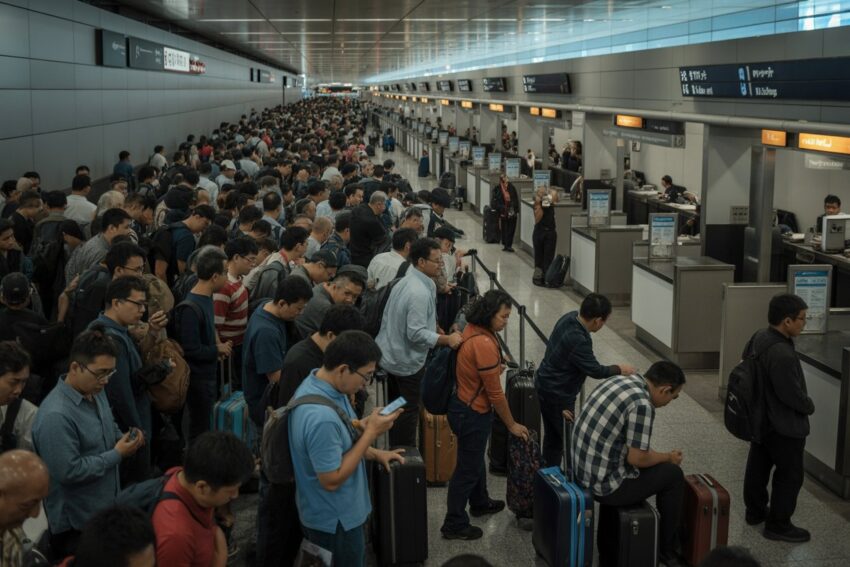 Image generated with Ai
The United States travel industry is facing growing concerns over potential airport disruption after reports emerged regarding plans to pull Customs and Border Protection officers from several major airports, raising questions about international passenger processing, border efficiency, tourism operations, and the future stability of American aviation infrastructure. Travel organisations, airlines, airport authorities, hospitality businesses, and tourism stakeholders are increasingly worried that staffing reductions at critical international gateways could create longer wait times, flight delays, immigration congestion, and negative visitor experiences across the country.
The concerns arrive during a period when the United States tourism sector is continuing to recover from pandemic-era disruption while simultaneously preparing for major international travel growth linked to events including the FIFA World Cup 2026, international conventions, business travel expansion, and rising leisure tourism demand. Industry analysts warn that reduced staffing at airports could create operational bottlenecks capable of affecting airlines, hotels, cruise operators, and broader tourism spending throughout the American economy.
Advertisement
Advertisement
Border processing efficiency has become one of the most important competitive factors within global tourism as international travellers increasingly prioritise convenience, speed, security, and seamless airport experiences when selecting destinations.
Why are airport staffing concerns creating anxiety across the travel industry?
Airport staffing concerns are creating widespread anxiety because international aviation systems depend heavily on efficient immigration processing, customs clearance, and border security operations to maintain smooth passenger movement. Customs and Border Protection officers play a central role in handling international arrivals, document verification, traveller screening, and border enforcement procedures across major US airports.
Advertisement
Advertisement
Travel industry groups fear that removing or reassigning personnel from busy international gateways could significantly increase passenger wait times and create operational pressure during peak travel periods. Long immigration lines can negatively affect airport operations, airline schedules, connecting flights, tourism satisfaction, and overall traveller confidence.
Industry experts also warn that inefficient airport processing may discourage international tourism growth at a time when the United States is competing aggressively with Europe, the Middle East, and Asia for global travellers, business tourism, and international events.
Advertisement
Advertisement
How important are major airports for the United States tourism economy?
Major international airports are critically important for the United States tourism economy because they serve as the primary entry points for millions of international visitors arriving for holidays, business trips, conferences, sporting events, cruises, education, and cultural tourism. Airports including New York JFK, Los Angeles International Airport, Miami International Airport, Chicago O’Hare, Atlanta, and San Francisco International Airport connect the United States to global tourism markets across Europe, Asia, Latin America, Africa, and the Middle East.
International visitors contribute billions of dollars annually to the US economy through airline spending, hotel bookings, restaurants, entertainment, retail shopping, transportation services, and tourism attractions. Efficient airport operations therefore directly influence broader economic activity across multiple industries connected to tourism and hospitality.
Travel analysts say airport congestion and border delays can damage destination reputation and reduce competitiveness within the increasingly experience-focused global travel market.
Why is international passenger processing becoming more challenging?
International passenger processing is becoming increasingly challenging because global travel demand continues rising rapidly while airports simultaneously face staffing pressures, security requirements, technological transitions, and growing passenger expectations. Modern airports must manage complex responsibilities involving immigration control, customs inspections, health monitoring, security screening, baggage operations, and international airline coordination.
The increasing size of international aircraft, expanding tourism flows, and rising frequency of long-haul flights have further intensified operational pressure at major airport hubs. Events such as international sporting tournaments, convention tourism, cruise tourism, and seasonal holiday travel can additionally create sudden surges in passenger volume requiring strong staffing capacity.
Aviation experts say airports now operate within highly interconnected systems where delays in one operational area can rapidly affect broader airline schedules, connecting flights, and passenger experiences.
Advertisement
Advertisement
How could longer airport wait times affect tourism?
Longer airport wait times could significantly affect tourism because modern travellers increasingly prioritise convenience, speed, and efficient travel experiences when choosing destinations and airlines. International visitors facing excessive immigration queues or border delays may develop negative impressions that influence future travel decisions, online reviews, and destination reputation.
Business travellers are especially sensitive to airport inefficiency because delays can disrupt schedules, conferences, meetings, and connecting travel plans. Leisure travellers may also become frustrated by lengthy arrival procedures after long international flights.
Tourism analysts believe airport processing quality now forms an important part of overall destination branding. Countries capable of offering smoother airport experiences may gain competitive advantages in attracting international tourism, premium travellers, and repeat visitors.
Why are airlines closely monitoring the staffing situation?
Airlines are closely monitoring the staffing situation because border delays and airport congestion can directly affect flight schedules, turnaround times, passenger satisfaction, and operational efficiency. International carriers rely heavily on efficient customs and immigration systems to maintain on-time performance and minimise disruption involving connecting passengers.
Delays at arrival processing facilities may create crowding within terminals, increase missed connections, and complicate baggage handling operations. Airlines may also face increased customer service costs when passengers experience delays affecting onward travel plans.
Aviation industry observers note that airlines have invested heavily in premium passenger experiences, loyalty programmes, onboard technology, and international route expansion, making airport efficiency increasingly important within broader customer satisfaction strategies.
Advertisement
Advertisement
How does border efficiency influence global tourism competitiveness?
Border efficiency strongly influences global tourism competitiveness because international travellers increasingly compare destinations based not only on attractions and pricing but also on overall travel convenience. Countries offering faster immigration processing, streamlined customs systems, digital border technology, and smoother airport experiences may attract stronger tourism demand within the competitive global travel market.
Several international airports worldwide are already introducing biometric processing systems, automated passport control technology, AI-supported passenger screening, and digital immigration platforms designed to reduce congestion and improve efficiency.
Travel experts believe the future competitiveness of global tourism destinations may increasingly depend on how effectively governments balance security requirements with passenger convenience and operational speed.
Why are tourism organisations warning about broader economic impacts?
Tourism organisations are warning about broader economic impacts because international travel disruptions can extend far beyond airports themselves. Delays affecting international arrivals may influence hotel occupancy, convention attendance, cruise departures, tourism spending, transportation services, and business travel activity across major American cities.
The United States tourism industry supports millions of jobs connected to airlines, hospitality, entertainment, retail, restaurants, and local tourism economies. Any operational disruptions capable of discouraging international visitors may therefore affect employment, regional tourism revenue, and local business activity.
Industry groups are particularly concerned because the United States is preparing for major tourism growth opportunities linked to FIFA World Cup 2026 and other international events expected to generate substantial inbound travel demand during the coming years.
Advertisement
Advertisement
Could technology help reduce future airport staffing pressure?
Technology could potentially help reduce future airport staffing pressure through greater use of automation, biometric verification systems, AI-supported passenger processing, digital immigration platforms, and self-service border management tools. Several airports worldwide are already testing advanced technologies designed to improve processing speed while maintaining border security standards.
Automated passport gates, facial recognition systems, digital customs declarations, and mobile traveller applications may help reduce congestion and improve operational efficiency during periods of high passenger demand. However, aviation experts caution that technology alone cannot fully replace trained border personnel responsible for security enforcement and complex traveller assessments.
Future airport operations may increasingly depend on balancing human expertise with advanced digital infrastructure capable of handling growing international mobility.
What does this mean for the future of international travel in the United States?
The concerns surrounding airport staffing highlight broader challenges facing the future of international travel in the United States as tourism demand, aviation complexity, and passenger expectations continue rising simultaneously. Efficient border management is becoming increasingly important not only for security but also for tourism competitiveness, economic growth, and global destination reputation.
For travellers, airport efficiency may become an even more influential factor shaping destination choices and travel experiences during the coming decade. For the United States tourism industry, maintaining strong international gateway operations could prove essential for supporting future tourism growth linked to sports tourism, business travel, conventions, and long-haul international aviation expansion.
As global tourism becomes more interconnected and competitive, airports may increasingly function not simply as transportation hubs but as strategic pillars supporting national tourism performance and international economic activity.
Advertisement
