
Thailand Offers A Tropical Retirement Alternative With Koh Samui Beaches And Flexible Living Costs

Published
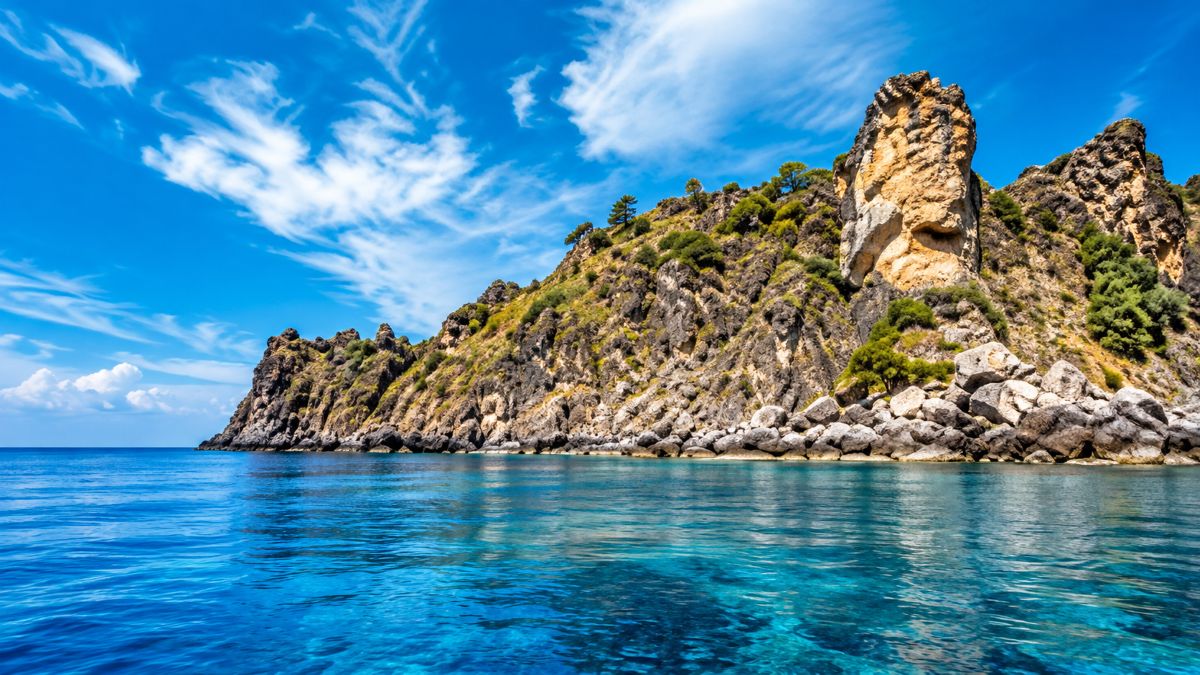
Koh Samui is drawing attention as a long-stay destination for people seeking tropical scenery, established tourism infrastructure and a slower island lifestyle. Located in the Gulf of Thailand, the island combines beaches, restaurants, accommodation, transport connections and a growing range of services within a relatively compact area. Thailand’s tourism authority describes Koh Samui as the country’s third-largest island and highlights its beaches, cultural attractions, natural landscapes and extensive visitor infrastructure.
For prospective retirees, the appeal goes beyond the coastline. Different parts of Koh Samui offer markedly different environments, from the energetic Chaweng area to quieter stretches such as Maenam and Lipa Noi. Everyday expenses can also vary considerably according to housing, dining habits, transport and imported-goods consumption. However, retirement planning requires more than comparing rent and restaurant prices. Visa eligibility, healthcare arrangements, insurance, taxation, property rules and access to essential services should all be investigated before making a long-term move. Thailand maintains dedicated retirement and long-term-residence visa categories, while its official electronic visa system provides current application information.
Advertisement
Advertisement
Why Koh Samui Is Attracting Long-Stay Travellers
Koh Samui has developed from a relatively quiet island destination into a major tourism centre while retaining elements of its traditional character. Coconut-growing areas, Buddhist temples and local communities coexist with hotels, restaurants, wellness businesses and international services.
Its compact geography is another practical advantage. The island can be explored by road, with major beach areas connected by a coastal route. Visitors can also travel beyond Samui to nearby islands and the Ang Thong Marine National Park.
Advertisement
Advertisement
For someone considering retirement, this combination means that an island lifestyle does not necessarily require complete isolation. Shops, restaurants, accommodation and tourism services are distributed across several parts of the island, allowing residents to choose between convenience and quieter surroundings.
Beaches Provide A Distinctive Everyday Lifestyle
Beach access is one of Koh Samui’s strongest attractions. Chaweng is among the best-known areas and combines a long sandy beach with restaurants, shops and entertainment. Lamai provides another established coastal option, while Maenam, Taling Ngam and other western and northern locations can offer a more relaxed atmosphere.
Advertisement
Advertisement
This variety matters for long-term visitors because the island’s neighbourhoods are not interchangeable. Someone seeking nightlife and easy access to services may prefer a busier area, whereas a retiree prioritising tranquillity could consider a less developed coastal community.
The choice of neighbourhood can also affect housing costs, transport requirements and access to everyday amenities. Spending time on the island before signing a long-term rental agreement is therefore an important part of evaluating the lifestyle.
Advertisement
Advertisement
Koh Samui Living Costs Depend On Lifestyle Choices
Claims that Koh Samui is universally inexpensive can be misleading. Housing prices vary by location, property size, furnishing, season and proximity to the beach. Imported groceries and international products can also cost considerably more than locally produced food.
Local markets and Thai restaurants can provide lower-cost alternatives, while frequent Western dining, private accommodation in premium areas and extensive use of air conditioning can raise monthly expenditure.
| Living Factor | What Prospective Retirees Should Consider |
|---|---|
| Housing | Location, rental duration, furnishings and proximity to the beach |
| Food | Local Thai food is generally more economical than imported products |
| Transport | Scooter, car, taxi and other local transport costs vary |
| Utilities | Electricity consumption can rise substantially with air conditioning |
| Healthcare | Insurance, private treatment and hospital access should be researched |
| Leisure | Restaurants, excursions and recreational activities can significantly affect budgets |
Rather than relying on a single monthly figure, prospective residents should prepare a personal budget based on their preferred housing standard, healthcare needs, transport arrangements and leisure activities.
Healthcare And Essential Services Matter For Retirement
Healthcare is a particularly important consideration when choosing an overseas retirement destination. Thailand has a substantial medical and wellness sector, and national tourism authorities are actively promoting the country as a health and healing destination.
Advertisement
Advertisement
Koh Samui has developed healthcare services alongside its expanding international visitor population. Nevertheless, retirees should check the location and capabilities of hospitals, emergency services, specialist treatment and pharmacies before committing to a property.
International health insurance should also be assessed carefully. Premiums, exclusions, pre-existing-condition provisions, hospital networks and evacuation coverage can all affect the actual value of a policy.
Transport And International Access Add Practical Value
Koh Samui has its own airport, making the island considerably more accessible than destinations that depend entirely on lengthy mainland transfers. Ferries also connect the island with mainland Surat Thani and nearby destinations.
The tourism authority identifies transportation and the island airport as important components of Koh Samui’s tourism infrastructure.
For retirees who expect regular international travel, access to Bangkok and onward connections can be an important consideration. For those intending to remain primarily on the island, local road transport becomes more significant.
Anyone considering driving should also take road safety seriously. Thailand’s tourism authority specifically warns about motorcycle-related accidents and recommends defensive driving and helmet use.
Advertisement
Advertisement
Visa Planning Is Essential Before A Permanent Move
Retiring in Thailand is not simply a matter of arriving as a tourist and remaining indefinitely. Immigration status must match the intended length and purpose of residence.
Thailand’s official e-Visa platform lists retirement and long-term-residence categories among its available visa options, with eligibility and documentation depending on the specific category.
Tourism entry arrangements are different from retirement residence permissions. Thailand’s tourism authority states that eligible nationalities can receive visa-exempt stays for tourism, but these arrangements should not be treated as a substitute for a dedicated long-term residence strategy.
Because immigration requirements can change, prospective retirees should verify the latest rules with Thai authorities or an appropriate consular service before making financial or property commitments.
Koh Samui Offers Several Versions Of Island Living
The strongest feature of Koh Samui for long-stay visitors may be its variety. Chaweng provides a busier environment, Bophut combines coastal living with restaurants and shops, while northern and western areas can provide a quieter setting.
The island also retains access to Thai culture, temples, local food and natural attractions alongside international tourism infrastructure. That combination allows residents to create very different daily routines without leaving the island.
Advertisement
Advertisement
For travellers comparing overseas retirement destinations, the relevant question is therefore not simply whether Koh Samui is cheap. It is whether its climate, infrastructure, healthcare access, immigration requirements and lifestyle match their individual circumstances.
What Prospective Retirees Should Check Before Moving
A trial stay can provide a more realistic assessment than a holiday. Spending several weeks or months in the intended neighbourhood can reveal traffic conditions, seasonal weather, noise levels, accessibility and the practical distance to hospitals and supermarkets.
Renting before buying is another way to reduce commitment while learning how different parts of the island function throughout the year. Prospective residents should also obtain professional advice concerning Thai immigration, taxation, property ownership and financial transfers.
Koh Samui’s popularity means that some areas can become considerably busier during peak travel periods. Seasonal conditions should therefore form part of any long-term evaluation.
A Tropical Alternative With Practical Considerations
Koh Samui combines tropical beaches with an established tourism economy, transport links, accommodation choices and a broad service sector. The island’s official tourism profile confirms its strong infrastructure and range of beaches, activities and attractions.
For retirees seeking an overseas lifestyle, those characteristics can make Koh Samui worth investigating. Yet affordability should be viewed in personal rather than absolute terms, and long-term residency involves considerations that go well beyond beach access.
Advertisement
Advertisement
The destination can offer an attractive combination of tropical surroundings and modern conveniences, but successful retirement planning depends on matching the island’s realities with an individual’s finances, healthcare requirements, preferred neighbourhood and immigration eligibility.
Frequently Asked Questions
Is Koh Samui suitable for retirement?
Koh Samui offers beaches, accommodation, transport, restaurants and a developed tourism infrastructure, but suitability depends on personal finances, healthcare needs and immigration circumstances.
Where is Koh Samui located?
Koh Samui is an island in the Gulf of Thailand, within Surat Thani province.
Is Koh Samui expensive for retirees?
Costs vary substantially depending on housing, dining, transport, imported goods and lifestyle choices.
Which beaches are popular on Koh Samui?
Chaweng, Lamai, Maenam and Taling Ngam are among the island’s recognised beaches.
Does Koh Samui have an airport?
Yes. The island has its own airport, which supports access from Thailand and connecting travel.
Advertisement
Advertisement
Can foreigners retire in Thailand?
Thailand provides dedicated retirement and long-term-residence visa categories, subject to eligibility and documentation requirements.
Should retirees rent before buying property?
A trial rental can help prospective residents understand a neighbourhood before making a larger long-term commitment.
Is healthcare available on Koh Samui?
The island has healthcare services, while Thailand has a substantial wider medical and wellness sector. Prospective retirees should independently assess hospitals, insurance and specialist access.
What transport is available on Koh Samui?
Residents and visitors can use roads, taxis and other local transport, while ferries connect Samui with nearby destinations.
Is Koh Samui only suitable for beach lovers?
No. Beyond beaches, the island offers temples, cultural experiences, food, wellness activities, nature attractions and access to surrounding islands.
Advertisement
