
Cambodia’s Early August Tourism Surge Shows New Global Trends with over 400,000 tourists: What it means for the Travel Industry?

Published
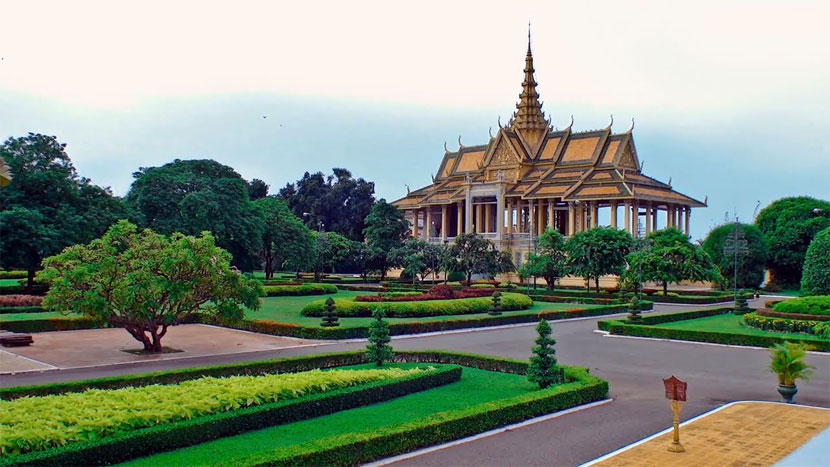
Image generated with Ai
Cambodia’s Ministry of Tourism reported a significant boost in visitor numbers between August 5 and 11, marking a pivotal moment for the nation’s tourism sector. The influx of approximately 361,200 domestic tourists and 65,000 international visitors during this period underscores Cambodia’s rising appeal as a preferred destination within the region.
Global Tourism Trends Reflected in Cambodia’s Numbers
The substantial number of tourists, including 17,355 foreign visitors to the Angkor Archaeological Park, signifies a notable shift in global travel patterns. The increase of 3.7% in ticket sales for the park, generating $814,775 in revenue, reflects not only the growing interest in Cambodia’s cultural heritage but also a broader trend of travelers seeking unique and historically rich destinations.
- The Angkor Archaeological Park remains a key draw for international tourists.
- Revenue from tourism is seeing a steady increase, enhancing Cambodia’s economic outlook.
Increased Flights and Enhanced Connectivity
The arrival of 474 international flights within the same week further highlights Cambodia’s enhanced connectivity. Out of these, 356 flights landed at Phnom Penh International Airport, 103 at Siem Reap Angkor International Airport, and 15 at Sihanoukville International Airport. This steady flow of flights indicates that Cambodia is becoming an increasingly accessible destination, making it more attractive to travelers from around the world.
The recent surge in tourism to Cambodia signals several key trends that could shape the future of the global travel industry:
Advertisement
Advertisement
- Growing Appeal of Emerging Destinations: As travelers increasingly seek out unique and culturally rich experiences, countries like Cambodia, with its historical sites and cultural heritage, are becoming more attractive. This trend suggests that emerging destinations could continue to gain prominence, drawing tourists away from traditional hotspots.
- Increased Investment in Infrastructure: The rise in visitor numbers and international flights suggests that Cambodia may invest further in its tourism infrastructure. Improved airports, accommodations, and transportation options could make the country even more appealing, encouraging repeat visits and longer stays. This could also prompt other emerging destinations to enhance their infrastructure to compete for international tourists.
- Shifts in Regional Travel Patterns: With Cambodia’s growing popularity, there could be a shift in regional travel patterns. Tourists who might have previously visited other Southeast Asian countries could now consider Cambodia as a primary destination. This shift could lead to increased competition among countries in the region, each striving to offer unique experiences and superior services to attract visitors.
- Sustainability and Responsible Tourism: As more tourists flock to Cambodia, there may be an increased focus on sustainable and responsible tourism practices. The country might need to implement measures to preserve its cultural heritage and natural resources, ensuring that tourism growth does not come at the expense of its environment and historical sites.
- Global Implications for Travel: The trends seen in Cambodia could be indicative of broader global shifts, where travelers prioritize destinations that offer cultural depth and authenticity. This could lead to a more diverse global tourism landscape, with lesser-known destinations gaining popularity and contributing to the overall growth of the travel industry.
Impact on the Global Travel Industry
These developments are expected to have significant global implications, particularly in the travel industry. As Cambodia continues to strengthen its position as a major tourist destination, the country is likely to see increased investment in its tourism infrastructure, leading to improved services and facilities for travelers. This, in turn, could boost competition among neighboring countries to attract international visitors, thereby reshaping travel patterns in the region.
Advertisement
