
Venezuela and Caracas Reconnect as Simón Bolívar Airport Restores Domestic and International Flights

Published
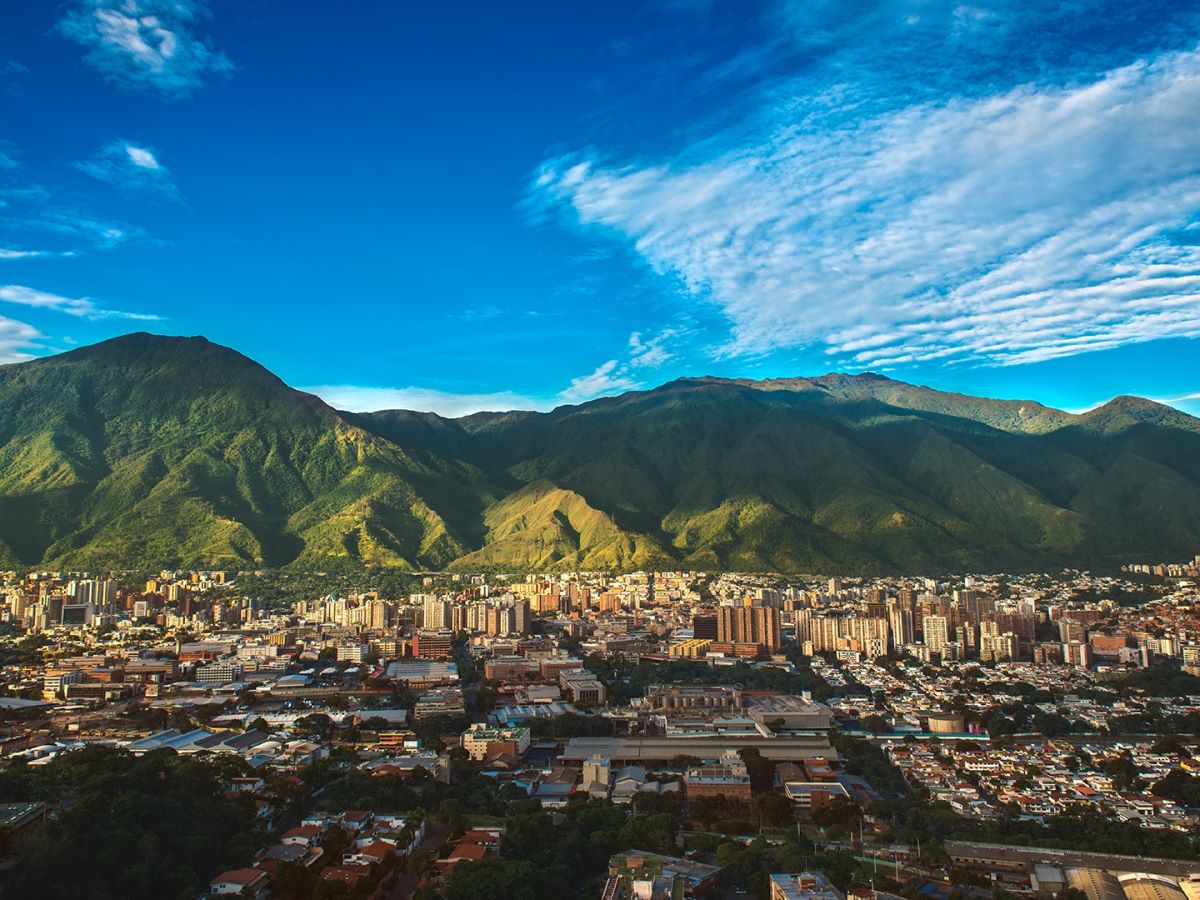
Venezuela and Caracas are reconnecting with domestic and international destinations as Simón Bolívar International Airport restores commercial flights through temporary passenger terminals following the devastating double earthquake of 24 June 2026. The country’s principal aviation gateway at Maiquetía resumed passenger operations on 1 September after nearly ten weeks of disruption, reopening vital air links while reconstruction of its damaged permanent infrastructure continues.
The reopening represents an important step for Venezuelan aviation, tourism and business travel. However, it does not yet amount to a complete return to pre-earthquake operations. Flights are being handled through temporary modular facilities, and authorities are gradually increasing capacity as repairs progress.
Advertisement
Advertisement
Simón Bolívar International Airport Reopens After Earthquake Damage
Simón Bolívar International Airport, located in Maiquetía in La Guaira state and serving the Caracas metropolitan area, suffered extensive damage during two powerful earthquakes on 24 June.
The earthquakes measured magnitude 7.2 and 7.5 and severely affected important infrastructure across northern Venezuela.
Advertisement
Advertisement
At the airport, damage affected runways, passenger facilities and other critical infrastructure. Regular commercial passenger operations were suspended as authorities assessed the safety of the complex and began emergency repairs.
Advertisement
Advertisement
Commercial flights finally resumed on 1 September.
| Key Airport Recovery Detail | Status |
|---|---|
| Earthquakes | 24 June 2026 |
| Magnitudes | 7.2 and 7.5 |
| Commercial reopening | 1 September 2026 |
| Airport | Simón Bolívar International Airport |
| Location | Maiquetía, La Guaira |
| Main city served | Caracas |
| Operations | Domestic and international |
| Passenger facilities | Temporary modular terminals |
| Permanent reconstruction | Continuing |
Temporary Terminals Keep Passengers Moving
The most visible change for passengers is the use of temporary terminal infrastructure.
Instead of returning immediately to the earthquake-damaged permanent buildings, airport authorities constructed modular passenger-processing facilities near the airport parking area.
The temporary complex covers approximately 10,000 square metres and includes areas for both domestic and international travellers.
Facilities include check-in counters, air-conditioned waiting areas, security and immigration services, baggage processing, toilets, medical assistance and passenger connectivity.
Advertisement
Advertisement
Travellers are transported between the temporary terminal areas and aircraft by buses.
The arrangement allows Venezuela to restore commercial aviation while longer-term structural work continues elsewhere in the airport complex.
More Than 2,000 Passengers Can Be Handled Daily
The temporary facilities were designed to handle up to 2,168 passengers per day.
Separate areas have been created to manage arrivals and departures as well as domestic and international passenger flows.
This infrastructure is particularly important because Simón Bolívar International Airport is not simply an international gateway.
Advertisement
Advertisement
It is a crucial hub within Venezuela’s domestic aviation network.
Its prolonged closure forced travellers and airlines to rely on smaller alternative airports, increasing journey times and complicating connections to Caracas.
Domestic Flights Return to Maiquetía
The reopening has restored an important part of Venezuela’s domestic air network.
During the closure, travellers faced substantial disruption because Maiquetía plays a central role in connecting Caracas with other Venezuelan cities.
Some services had to use airports elsewhere in the country.
Advertisement
Advertisement
The return of domestic commercial operations therefore helps restore connectivity for residents, business travellers and tourists.
Domestic aviation is particularly important in Venezuela because of the country’s size and the long distances between many population centres.
International Air Links Gradually Return
International connectivity is also being rebuilt.
The first phase included international services alongside domestic operations, restoring direct aviation links that had been interrupted by the earthquake emergency.
Airlines reported as returning or preparing to return to Maiquetía have included major regional and international carriers alongside Venezuelan operators.
Advertisement
Advertisement
The rebuilding of the international network is important for both inbound and outbound travel.
For international visitors, Simón Bolívar Airport is the principal air gateway for reaching Caracas and connecting with other parts of Venezuela.
For Venezuelan travellers, its reopening restores easier access to destinations elsewhere in Latin America and beyond.
Airlines Rebuild Their Caracas Networks
The earthquake closure required airlines to make rapid operational changes.
Some commercial services were redirected to other Venezuelan airports, including facilities in Carabobo and Anzoátegui.
Advertisement
Advertisement
With Maiquetía reopening, airlines can gradually move operations back towards the country’s largest aviation gateway.
Carriers reported in connection with the resumed or planned services include:
- Conviasa
- Laser Airlines
- Copa Airlines
- Air Europa
- Iberia
- Avianca
- LATAM Airlines
- GOL
- Plus Ultra
Schedules remain subject to airline operational decisions and the airport’s continuing recovery.
Passengers should therefore confirm individual flight details directly with their carrier before travelling.
Airport Recovery Matters for Venezuela Tourism
Restoring Maiquetía is particularly important for Venezuela’s tourism economy.
Advertisement
Advertisement
Caracas acts as a gateway for travellers heading towards other destinations around the country.
Venezuela has extensive Caribbean coastline, islands, mountains, rainforest and major natural attractions.
International air connectivity is essential if these destinations are to become easier to reach for overseas travellers.
The airport also supports hotels, restaurants, transport businesses, travel agencies and other companies dependent on passenger flows.
La Guaira itself has an economy closely connected with aviation, port activity, tourism and commerce.
Advertisement
Advertisement
Restoring passenger traffic therefore has consequences far beyond the airport perimeter.
Reopening Does Not Mean Full Recovery
Travellers should understand that the airport’s reopening is part of a phased recovery.
When commercial passenger flights restarted on 1 September, authorities said the initial operation represented approximately 25% of the activity handled before the earthquakes.
Subsequent official comments indicated that the airport had moved beyond half of its previous operational capacity as the recovery accelerated.
That is significant progress, but it is different from a complete restoration of normal pre-earthquake operations.
Advertisement
Advertisement
The permanent terminal infrastructure still requires reconstruction and repair.
For this reason, describing the airport as having fully recovered its standard schedules would overstate the current position.
Runway Repairs Were Critical to Reopening
Passenger terminals were not the only concern.
The earthquake caused severe cracking to airport pavement and damaged other aviation infrastructure.
Restoring safe runway operations was therefore fundamental before regular passenger flights could restart.
Advertisement
Advertisement
Aviation infrastructure has strict safety requirements. Runways, air traffic systems, passenger areas and security operations all need to meet required standards before commercial activity can safely resume.
The phased reopening allowed authorities to restore essential connectivity without waiting for every part of the permanent terminal complex to be rebuilt.
What Travellers Should Expect at Maiquetía
Passengers travelling through Simón Bolívar International Airport during the recovery period should prepare for an airport experience different from normal operations.
Travellers may encounter:
- Temporary modular passenger terminals
- Bus transfers between terminals and aircraft
- Changing airline schedules
- Longer processing times during busy periods
- Restricted access to damaged airport areas
- Continuing reconstruction activity
- Adjustments to domestic and international services
Passengers should arrive with additional time and verify departure information before travelling to the airport.
Advertisement
Advertisement
Full Reconstruction Continues
The temporary terminals provide an interim solution rather than a replacement for the permanent airport.
Reconstruction work remains underway across the complex.
Current reporting indicates that completion of major permanent reconstruction work has shifted into the first quarter of 2027.
That timeline could change depending on engineering assessments, construction progress and the condition of damaged infrastructure.
Until permanent facilities are restored, temporary modules will remain crucial to maintaining Venezuela’s domestic and international aviation links.
Advertisement
Advertisement
Aviation Recovery Reconnects Caracas With the Wider Region
The reopening is strategically important because Caracas depends heavily on Maiquetía for international aviation.
The airport sits approximately 20 kilometres north of the Venezuelan capital.
Its closure forced passengers to travel much farther to alternative airports, creating additional costs and logistical problems.
Returning flights to Maiquetía reduces those pressures and reconnects the country’s largest urban centre with regional aviation networks.
It also gives airlines a clearer pathway towards rebuilding their Venezuelan schedules as airport capacity gradually increases.
Advertisement
Advertisement
Conclusion: Venezuela and Caracas Reconnect as Simón Bolívar Airport Restores Domestic and International Flights
Venezuela and Caracas are reconnecting as Simón Bolívar International Airport restores domestic and international flights following the devastating double earthquake of 24 June 2026. The reopening of commercial operations on 1 September has brought vital air services back to Maiquetía and reduced the dependence on alternative airports that followed the disaster.
Temporary modular facilities are now processing passengers while permanent reconstruction continues. Domestic routes have returned, international connections are being rebuilt and airlines are gradually restoring services to Venezuela’s principal aviation gateway.
However, the recovery is not yet complete.
Simón Bolívar International Airport initially reopened at only a fraction of its pre-earthquake operational level and has since been steadily increasing capacity. The permanent terminals remain under reconstruction, meaning the temporary facilities will continue playing a central role in keeping passengers moving.
For Venezuela’s aviation and tourism sectors, the reopening nevertheless marks a critical turning point. Restoring Maiquetía reconnects Caracas with domestic destinations and international markets while giving travellers, airlines and tourism businesses a clearer route towards normal operations as the wider reconstruction continues.
Advertisement
