
Switzerland And France Stand Alongside Other European Powerhouses As High-Spending Tourists Chase Premium Travel

Published
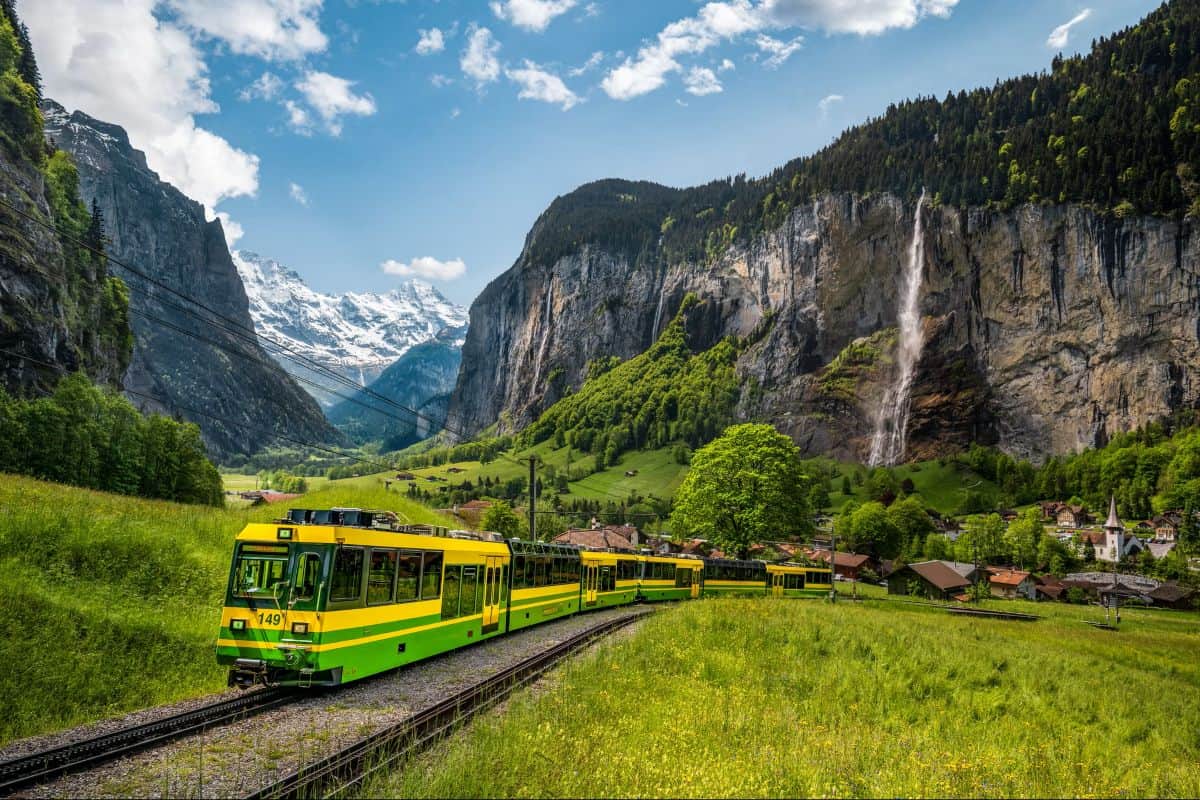
Europe’s tourism economy is entering a more valuable phase, with tourist spending growing faster than visitor numbers. International arrivals across Europe increased 3.2% in 2025, while tourist expenditure rose an estimated 9.7%. Switzerland, France and Italy illustrate this shift particularly well, despite their reputation for high travel costs.
France attracted 102 million international visitors and €77.5 billion in international tourism receipts in 2025. Switzerland generated CHF20.5 billion from foreign visitors, while its hotels recorded 43.9 million overnight stays. Italy posted record tourism volumes in 2024 and foreign visitor spending rose 4.6% in 2025.
The numbers reveal a significant change in European travel economics. Travellers are still price-conscious, but affluent and experience-led demand can sustain premium destinations when visitors perceive sufficient quality, convenience and distinctiveness.
Europe’s Spending Boom Changes the Equation
The central story is no longer simply how many people visit Europe. It is increasingly about how much economic value each traveller creates, where that spending occurs and which experiences attract it.
Advertisement
Advertisement
European Tourism Commission data show that international arrivals and overnight stays both grew by just over 3% in 2025. Spending, however, expanded nearly three times as quickly. That divergence suggests that destinations can strengthen tourism receipts without matching every increase in revenue with equivalent visitor growth.
This distinction matters for travellers because headline prices do not explain the complete cost-benefit equation. A destination with expensive hotels can still deliver strong perceived value through efficient transport, concentrated attractions, exceptional landscapes, premium dining and distinctive experiences.
Advertisement
Advertisement
The trend also matters for tourism authorities. More valuable visitors can potentially generate stronger local economic returns while reducing pressure to pursue ever-higher arrival volumes.
| European Tourism Indicator | 2025 Change |
|---|---|
| International arrivals | +3.2% |
| Overnight stays | +3.1% |
| Tourist spending | +9.7% |
| Short- and mid-haul arrivals | +5% |
| Long-haul arrivals | +7% |
Switzerland Turns High Costs Into Premium Value
Switzerland represents Europe’s clearest premium-price tourism model. Its reputation for expensive accommodation, transport, dining and mountain experiences has not prevented demand from reaching new highs.
Swiss hotels recorded 43.9 million overnight stays in 2025, an increase of 2.6% over 2024. Foreign visitors accounted for 22.8 million nights, up 3.7%, while domestic demand reached 21.1 million nights. Both winter and summer seasons set new records.
The wider accommodation picture is even stronger. Switzerland recorded 62 million overnight stays across hotels and supplementary accommodation in 2025, up 3.2%. Foreign visitors accounted for 29.1 million nights, increasing 4.9% year on year.
Foreign visitors also generated CHF20.5 billion in tourism revenue, up 1.6% from 2024. Although the growth rate moderated, the country still recorded a positive tourism balance of CHF1.2 billion.
The attraction is therefore broader than skiing. Alpine scenery, rail journeys, lakes, wellness, gastronomy, luxury hospitality and highly reliable infrastructure create a dense premium experience.
Advertisement
Advertisement
| Switzerland Tourism 2025 | Result |
|---|---|
| Hotel overnight stays | 43.9 million |
| Foreign hotel nights | 22.8 million |
| Total accommodation nights | 62 million |
| Foreign accommodation nights | 29.1 million |
| Foreign visitor revenue | CHF20.5 billion |
The country’s tourism policy also recognises that premium demand cannot depend indefinitely on snow. Switzerland’s federal strategy promotes diversification, summer and autumn tourism, landscape quality, digitalisation and sustainability. It also supports Swisstainable, designed to make sustainability credentials more visible to travellers.
For travellers, that creates an important lesson. Switzerland’s premium proposition increasingly extends beyond ski season, giving visitors more opportunities to spread costs across different seasons and regions.
France Proves Scale Can Still Produce Value
France offers a contrasting model. It combines enormous visitor volumes with increasingly sophisticated efforts to increase tourism expenditure.
The country welcomed 102 million international visitors in 2025, maintaining its position as the world’s most visited country. International tourism receipts reached a record €77.5 billion, rising 9% from 2024. Average spending reached €760 per international tourist per stay, up 7%.
That is especially significant because France already operates at enormous scale. International tourists generated 743 million nights across both market and non-market accommodation, while commercial accommodation alone recorded 261.2 million nights, up 7.5%.
The French model is therefore not simply about attracting more people. It is about monetising a remarkably diverse tourism portfolio.
Advertisement
Advertisement
Paris supplies culture, fashion, gastronomy and luxury. The French Riviera adds premium coastal tourism, while the Alps provide skiing and mountain experiences. Provence, Bordeaux, Burgundy, Champagne, Normandy and Alsace add wine, food, heritage and countryside travel.
This geographical diversity creates a major advantage. Travellers priced out of central Paris can still find premium experiences elsewhere without abandoning France altogether.
France is now explicitly trying to increase the economic value of tourism. The government has set a target of €100 billion in international tourism receipts by 2030, alongside an ambition to make France the world’s leading sustainable tourism destination.
The strategy reveals a crucial shift from visitor quantity towards visitor value.
Italy Converts Heritage Into High-Value Demand
Italy provides the third model, built around experience-rich tourism rather than premium pricing alone.
In 2024, Italian accommodation establishments recorded 139.6 million arrivals and 466.2 million overnight stays, both historic highs. International visitors represented 53% of arrivals and 54.5% of total nights. Foreign arrivals increased 8.9%, while foreign overnight stays climbed 8.4%.
Advertisement
Advertisement
Italy also overtook France in total accommodation nights during 2024. Eurostat recorded around 458 million nights in Italy against approximately 451 million in France, placing Italy second in the European Union behind Spain.
The spending picture remained robust in 2025. Foreign travellers spent 4.6% more in Italy, while the tourism balance reached €22.7 billion, equivalent to around 1% of GDP. Almost two-thirds of the increase in foreign spending was linked to visitors travelling for the Jubilee celebrations.
Italy’s strength lies in the extraordinary number of spending occasions available within one country. A visitor can combine art, food, fashion, wine, beaches, lakes, mountains, religious heritage and luxury shopping within a single itinerary.
| Italy Tourism Indicator | Latest Result |
|---|---|
| 2024 arrivals | 139.6 million |
| 2024 overnight stays | 466.2 million |
| Foreign share of arrivals | 53% |
| Foreign share of nights | 54.5% |
| Foreign spending growth in 2025 | +4.6% |
| 2025 tourism surplus | €22.7 billion |
Italy is also seeing particularly strong spending from selected long-haul markets. Ministry-backed research found average card expenditure of €913 for Saudi travellers and €822 for UAE travellers, compared with €411 across the wider analysed markets.
That difference demonstrates why arrival numbers alone can misrepresent a destination’s commercial potential.
Three Countries Three Different Spending Engines
Switzerland, France and Italy therefore illustrate three distinct versions of premium tourism.
Advertisement
Advertisement
| Destination | Principal Value Engine | Strongest Advantage |
|---|---|---|
| Switzerland | Premium positioning | Infrastructure, Alps, wellness and quality |
| France | Scale plus sophistication | Luxury, culture, gastronomy and regional diversity |
| Italy | Experience-led spending | Heritage, food, fashion and lifestyle |
Switzerland sells quality and exclusivity. France sells an enormous portfolio of experiences across different price points. Italy monetises cultural and lifestyle assets that are difficult for competing destinations to replicate.
That difference is important for travellers. The word “expensive” does not identify where money is best spent, because the quality and concentration of experiences can vary considerably.
Where Premium Tourists Spend More
The real strength of high-value tourism becomes clearer when spending is examined beyond headline arrival figures. Affluent travellers do not simply spend more on rooms; they distribute their budgets across premium accommodation, restaurants, shopping, transport, cultural attractions and specialised experiences. Switzerland, France and Italy each capture this spending differently, reflecting the distinctive products they offer international visitors.
Switzerland benefits from high-value mountain tourism, luxury hospitality, scenic rail journeys and premium wellness experiences. France has a broader spending ecosystem, combining luxury hotels, fashion, gastronomy, cultural attractions and major urban experiences. Italy draws spending across luxury accommodation, restaurants, fashion, heritage, wine and regional experiences, allowing visitors to build expensive itineraries around several complementary activities.
| Spending Area | Switzerland | France | Italy |
|---|---|---|---|
| Luxury Accommodation | Alpine resorts, five-star hotels and wellness properties | Paris luxury hotels, Riviera resorts and Alpine properties | Boutique hotels, historic palazzos and luxury resorts |
| Dining | Fine dining, Alpine cuisine and premium restaurants | Michelin dining, wine regions and luxury gastronomy | Regional cuisine, Michelin restaurants and wine experiences |
| Shopping | Watches, jewellery and Swiss luxury products | Fashion, perfumes, jewellery and luxury brands | Fashion, leather, jewellery and Italian design |
| Transport | Premium rail, scenic trains and private transfers | High-speed rail, private transfers and luxury mobility | High-speed rail, chauffeur services and premium regional travel |
| Culture & Heritage | Historic towns, museums and Alpine heritage | Museums, palaces, monuments and cultural institutions | UNESCO cities, archaeological sites, churches and historic centres |
| Signature Experiences | Skiing, Alpine excursions, wellness and scenic rail | Fashion, wine, gastronomy, Riviera and cultural experiences | Food, wine, fashion, art, lakes, coastlines and countryside |
| Strongest Premium Proposition | Landscape and infrastructure | Luxury and cultural breadth | Heritage and lifestyle |
The distinction is important because tourism receipts do not tell the whole story unless the spending structure is understood. Italy’s 2025 foreign-travel spending increased 4.6%, while Switzerland recorded CHF20.5 billion in revenue from foreign visitors. France went further, reaching €77.5 billion in international tourism receipts in 2025.
For travellers, this creates an important planning opportunity. Someone visiting Switzerland primarily for mountain experiences may derive greater value from allocating more of the budget to accommodation and rail, while a France itinerary may justify greater spending on gastronomy, culture and shopping. In Italy, combining regional food, heritage and countryside experiences can create a richer trip without concentrating the entire budget in Rome, Venice, Florence or Milan.
Advertisement
Advertisement
There is also a wider industry implication. Destinations increasingly want visitors to spend across multiple sectors and regions rather than concentrating expenditure in a few famous hotspots. This can spread tourism’s economic benefits, reduce pressure on overcrowded attractions and encourage travellers to explore beyond Europe’s most recognisable gateways.
The Real Price Test Is Cost Per Experience
A more useful measure for travellers is not the nightly hotel rate alone. It is the total cost required to access meaningful experiences.
Switzerland can command high prices because efficient rail connections allow visitors to reach mountains, lakes and cities without complicated transfers. France benefits from dense cultural and culinary assets, while Italy combines major heritage sites with regional food, fashion and landscapes.
This also explains why staying longer can sometimes improve value. A traveller who spends several days within one region may reduce repeated transport costs while gaining deeper access to local experiences.
For expensive European destinations, the smarter comparison is therefore total trip value rather than headline price.
Regional Travel Can Stretch Premium Budgets
The next opportunity lies beyond the most famous gateways.
Advertisement
Advertisement
Switzerland can be explored through lake regions, smaller Alpine communities and summer mountain destinations. France offers extensive alternatives around Provence, Occitanie, Alsace, Normandy, Bordeaux and the French Alps. Italy has comparable opportunities across Puglia, Sicily, Sardinia, Tuscany, the Dolomites and the Italian Lakes.
This shift can also help destinations manage concentration. Switzerland’s tourism strategy explicitly supports geographical and seasonal diversification, while Italy’s national tourism strategy places emphasis on quality, inclusion, sustainability, innovation and stronger infrastructure.
For travellers, the practical advantage is clear. Changing the region or season can preserve the quality of a trip without necessarily preserving its peak-season price.
High-Value Tourism Meets Overtourism
The spending model also intersects with Europe’s overtourism debate.
More visitors can create stronger economic activity, but concentrated arrivals can increase pressure on housing, transport, heritage sites and public infrastructure. A higher-spending visitor strategy does not automatically solve those problems, but it can reduce the pressure to pursue volume at any cost.
France’s 2030 target demonstrates this balancing act. Its government wants to raise international receipts to €100 billion while simultaneously positioning the country as a leading sustainable destination.
Advertisement
Advertisement
Switzerland has similarly embedded sustainability within its national tourism strategy. Italy’s 2023–2027 tourism plan also identifies sustainability, quality, innovation and inclusion as strategic pillars.
The emerging European model is therefore becoming more nuanced. The objective is not simply fewer tourists, but better-distributed and higher-value tourism.
What Travellers Should Take From The Numbers
For travellers planning expensive European holidays, the data suggest several practical conclusions. First, a high daily price does not automatically indicate poor value, particularly when transport, experiences and infrastructure work together efficiently.
Second, the most recognisable destination is not always the most economical base. Regional cities and secondary destinations can provide comparable cultural or natural experiences while reducing accommodation pressure.
Third, seasonality matters enormously. Switzerland’s record summer and winter figures show that demand now extends beyond traditional peak periods, while European travellers increasingly explore cooler or less conventional destinations.
Finally, travellers should examine what their spending actually unlocks. A premium hotel attached to a unique landscape or cultural experience may create greater value than a cheaper property requiring expensive transfers and additional paid activities.
Advertisement
Advertisement
Europe’s Premium Travel Model Is Evolving
Switzerland, France and Italy demonstrate that Europe’s most expensive destinations do not need to win a price war. Their stronger advantage lies in creating experiences that travellers cannot easily reproduce elsewhere.
The latest figures reinforce that proposition. European tourism spending grew far faster than arrivals in 2025, while all three countries recorded substantial demand or revenue gains.
For the industry, the lesson is equally significant. Tourism growth is increasingly being measured through value, spending quality, regional distribution and resilience, rather than visitor numbers alone. For travellers, the lesson is simpler: Europe’s expensive destinations can still represent strong value when visitors choose the right region, season and experience.
Advertisement
