
Havana, Varadero and Several Cultural Cities Get Affected Due to Fewer International Tourist Arrivals in Cuba

Updated
Published
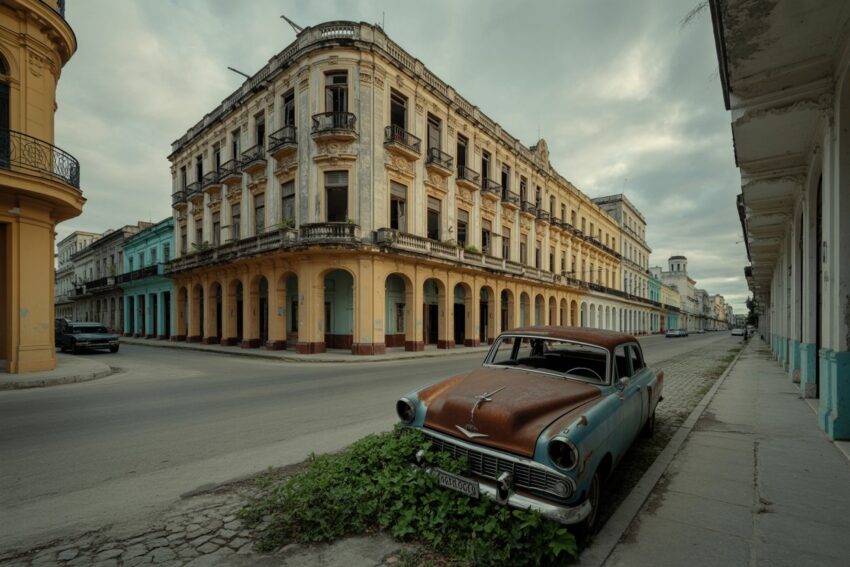
Image generated with Ai
Havana, Varadero, Cayo Coco, and other heritage cities slow down as tourism pressure increases as international arrivals decline due to fewer flights in Cuba. Cuba’s travel industry is confronting a major setback as visitor flows weaken during the fall 2026 season. Reduced air connectivity, fuel-related challenges and economic pressures have changed travel patterns across the island. Popular beach resorts, historic centres and cultural destinations are experiencing fewer foreign guests than expected. The slowdown is affecting hotels, restaurants and tourism operators that depend on international spending. The situation highlights how aviation access remains a critical factor in maintaining a destination’s global tourism performance.
Cuban Cities Experiencing Fewer Tourist Arrivals During Fall 2026
| Cuban City / Destination | Tourism Importance | Fall 2026 Arrival Situation | Main Reasons Behind Decline | Impact on Tourism Sector |
|---|---|---|---|---|
| Havana | Cuba’s capital and largest cultural tourism hub known for Old Havana, colonial architecture, museums, classic cars and cruise tourism | International visitors have declined significantly, leaving traditionally busy areas quieter than previous years | Reduced international flights, economic concerns, power shortages, weaker cruise activity and visitor uncertainty | Hotels, restaurants, private rentals and tourism businesses report fewer foreign customers; streets and attractions have seen lower visitor activity |
| Varadero | Cuba’s leading beach resort destination with large all-inclusive hotels and international package tourism | Visitor numbers have fallen despite its popularity among Canadian and European travellers | Airline reductions, jet fuel shortages, fewer charter operations and concerns about service availability | Resorts have experienced lower occupancy, while some tourism services have reduced operations |
| Cayo Coco | Major island resort destination famous for beaches, luxury hotels and international holiday packages | Arrivals weakened as airlines reduced capacity to Cuban beach destinations | Flight suspensions, fuel shortages and declining package-tour demand | Hotels and tourism operators faced fewer international guests and operational difficulties |
| Cayo Santa María | High-end resort island known for beaches, luxury hotels and European holidaymakers | Fall 2026 demand has been affected by fewer international connections | Aviation disruptions, reduced tour operator activity and national tourism slowdown | Resort operations faced lower visitor volumes and reduced tourism spending |
| Holguín | Eastern Cuba tourism centre serving beach resorts such as Guardalavaca and international leisure travellers | Lower foreign arrivals compared with stronger pre-crisis years | Reduced flights, weaker Canadian and European demand and broader Cuba tourism decline | Beach resorts and local tourism businesses experienced reduced visitor traffic |
| Santiago de Cuba | Cultural destination known for history, music, heritage sites and regional tourism | Fewer international visitors compared with previous years | Long-distance travel challenges, fuel availability issues and reduced independent tourism movement | Cultural attractions and small tourism businesses reported weaker demand |
| Playa Larga and Playa Girón (Zapata Peninsula) | Eco-tourism area famous for wetlands, diving, birdwatching and nature experiences | Among the destinations hit hardest, with very limited foreign visitor presence | Severe fuel shortages, long power outages, closed hotels and disrupted transport services | Tourism facilities closed or operated at minimal levels; eco-tourism activities such as diving and wildlife excursions were heavily affected |
| Trinidad | UNESCO-listed colonial city popular for heritage tourism, cultural experiences and international travellers | Visitor flows declined as Cuba’s overall tourism market weakened | Lower tour group arrivals, fewer flights and reduced travel confidence | Boutique hotels, restaurants and local experience providers faced declining demand |
| Cienfuegos | Historic coastal city known for architecture, waterfront attractions and cultural tourism | Fewer international stopovers and independent travellers | Reduced travel circuits, lower cruise activity and national tourism slowdown | Local tourism businesses experienced lower customer numbers |
Why Are Major Cuban Tourism Cities Seeing Fewer Visitors During Fall 2026?
Cuba’s tourism landscape has changed significantly during the fall 2026 travel season, with several popular destinations experiencing fewer international arrivals than in previous years. Cities and resort areas that once attracted steady flows of visitors from Canada, Europe and Latin America are now facing weaker demand and reduced travel activity.
Advertisement
Advertisement
The decline is visible across both urban tourism centres and beach destinations. Havana, the country’s historic capital, has seen fewer visitors exploring its colonial streets, cultural attractions and hospitality businesses. Meanwhile, resort destinations such as Varadero, Cayo Coco and Cayo Santa María have struggled with lower international arrivals due to reduced flight capacity and operational difficulties.
Tourism remains one of Cuba’s most important economic sectors, supporting hotels, restaurants, transport providers and local businesses. However, 2026 has brought significant challenges that have affected the movement of travellers across the island.
Advertisement
Advertisement
Industry observers have linked the slowdown to several factors, including fuel availability issues, fewer airline connections, economic uncertainty and concerns among travellers about service reliability. These challenges have created a difficult environment for destinations that depend heavily on international tourism.
Although Cuba continues promoting its beaches, heritage sites and cultural experiences, the fall 2026 season has demonstrated how external pressures can quickly affect tourism-dependent economies.
Advertisement
Advertisement
How Has Havana Been Affected by the Drop in International Arrivals?
Havana, Cuba’s cultural and historical centre, has experienced a noticeable reduction in visitor activity during fall 2026. The city has traditionally been the gateway for international travellers arriving to experience Old Havana’s colonial architecture, museums, music venues and historic landmarks.
However, lower visitor numbers have changed the atmosphere in several tourism areas. Restaurants, private accommodation providers and cultural businesses that depend on foreign visitors have reported weaker demand compared with stronger tourism periods.
Advertisement
Advertisement
The capital has also been affected by broader national challenges. Reduced flight availability has limited international access, while economic difficulties have influenced travel decisions among some visitors. Cruise tourism, which previously contributed significantly to Havana’s visitor economy, has also faced disruptions.
Despite these difficulties, Havana remains one of Cuba’s most recognised destinations. Its cultural appeal, UNESCO-listed historic areas and unique heritage continue attracting travellers. However, the city’s tourism recovery depends heavily on improved connectivity, stronger visitor confidence and more stable tourism operations.
For local businesses, fewer visitors mean reduced revenue opportunities. Tour guides, restaurants, transportation providers and accommodation operators have all faced pressure as international tourist spending has slowed.
Why Has Varadero Experienced Lower Tourist Demand Despite Being Cuba’s Top Beach Destination?
Varadero, known internationally for its white-sand beaches and large all-inclusive resorts, has also experienced weaker visitor numbers during fall 2026. The destination has traditionally been one of Cuba’s strongest tourism performers, attracting large numbers of holidaymakers seeking Caribbean beach experiences.
Advertisement
Advertisement
The decline has mainly affected package tourism and international resort demand. Varadero depends heavily on scheduled flights and charter services from key overseas markets. When airline capacity decreases, resort destinations often experience immediate effects because visitors have fewer travel options.
Fuel shortages and aviation challenges have created additional pressure on Cuba’s tourism network. Reduced flight operations have made it more difficult for some travellers to reach beach destinations, particularly from international markets that previously supplied large visitor volumes.
Hotels and tourism businesses in Varadero have had to adjust operations as occupancy levels weakened. Some services have experienced lower demand, while tourism suppliers have faced reduced income from international visitors.
Nevertheless, Varadero remains a central part of Cuba’s tourism strategy. Its extensive beaches, resort infrastructure and international recognition continue making it a priority destination for future recovery efforts.
Are Cuba’s Island Resort Destinations Facing a Bigger Tourism Crisis?
Cayo Coco and Cayo Santa María, two of Cuba’s most popular island resort areas, have experienced significant challenges during fall 2026. These destinations were developed around international leisure tourism, with large hotels, beach resorts and holiday packages designed primarily for overseas travellers.
The islands are particularly vulnerable when international aviation slows because they depend heavily on direct flights and organised tourism programmes. Unlike major cities, they have fewer alternative visitor sources when international arrivals decline.
Advertisement
Advertisement
During 2026, reduced airline connectivity and weaker travel demand affected resort operations. Lower occupancy levels created challenges for hotels and tourism-related businesses operating in these areas.
Cayo Coco and Cayo Santa María remain attractive because of their beaches, natural landscapes and luxury resort offerings. However, maintaining consistent visitor numbers requires reliable transport links and confidence among international travellers.
The situation highlights the importance of air connectivity for island tourism destinations. Even destinations with strong natural attractions can experience rapid declines when international access becomes limited.
How Are Cultural Cities Like Trinidad and Santiago de Cuba Managing Lower Visitor Numbers?
Beyond beach resorts, Cuba’s historic cities have also experienced a decline in international tourism activity. Trinidad, Cienfuegos and Santiago de Cuba rely on cultural tourism, heritage experiences and independent travellers who explore Cuba beyond traditional resort areas.
Trinidad, recognised for its preserved colonial architecture and cultural heritage, has faced fewer international tour groups and independent visitors. Local businesses, including restaurants, guesthouses and tour operators, have been affected by reduced visitor spending.
Santiago de Cuba, known for its music traditions, historic importance and cultural identity, has faced similar challenges. Long-distance travel within Cuba has become more complicated due to transport pressures, making it harder for some visitors to include secondary destinations in their itineraries.
Advertisement
Advertisement
Cienfuegos, another important heritage destination, has also experienced reduced tourism activity. The city’s waterfront attractions, historic buildings and cultural sites remain popular, but fewer visitors have translated into lower demand for tourism services.
These cities demonstrate that Cuba’s tourism slowdown extends beyond traditional beach resorts. The decline has affected different forms of tourism, from luxury holidays to cultural exploration.
What Factors Are Behind Cuba’s Tourism Decline During Fall 2026?
Several interconnected issues have contributed to Cuba’s weaker tourism performance during fall 2026. The most significant challenge has been reduced aviation capacity linked to fuel availability concerns and operational difficulties.
International tourism depends heavily on reliable air connections. When airlines reduce frequencies or adjust routes, destinations often experience immediate declines in visitor arrivals.
Economic challenges have also influenced tourism conditions. Travellers increasingly consider service reliability, availability of essential supplies and overall travel convenience when choosing destinations.
Power shortages and operational disruptions have created additional concerns for some tourism businesses. Hotels, restaurants and attractions require stable infrastructure to maintain visitor experiences.
Advertisement
Advertisement
Cuba has also faced increasing competition from other Caribbean destinations that continue expanding their tourism offerings and improving connectivity.
Traditional source markets remain important for Cuba, particularly Canada and European countries. However, changes in travel patterns and economic conditions have influenced visitor decisions during 2026.
The combination of these challenges has created a difficult environment for Cuba’s tourism sector, affecting both large resorts and smaller tourism communities.
Can Cuba’s Tourism Industry Recover After the Fall 2026 Slowdown?
Despite the challenges, Cuba continues to have significant tourism assets that could support recovery. The country offers internationally recognised beaches, historic cities, cultural traditions and natural attractions that continue attracting global interest.
Future recovery will depend on improving air connectivity, strengthening tourism infrastructure and rebuilding traveller confidence. Reliable transport links and consistent services will be essential for restoring international visitor flows.
Major destinations such as Havana and Varadero remain important tourism anchors. Their established hospitality infrastructure gives them a foundation for future growth once market conditions improve.
Advertisement
Advertisement
Smaller destinations may also benefit from renewed interest in cultural, ecological and experiential travel. Cuba’s heritage towns, nature areas and community-based tourism experiences continue offering unique opportunities.
The fall 2026 decline highlights the importance of resilience in tourism planning. Destinations that depend heavily on international arrivals must adapt quickly to changes in aviation, economics and traveller expectations.
Cuba’s tourism sector faces a challenging period, but its global recognition and diverse attractions provide opportunities for rebuilding visitor demand in the coming years.
Key Factors Behind Cuba’s Fall 2026 Tourism Decline
| Factor | Effect on Cuban Destinations |
|---|---|
| Fuel shortages | Reduced aviation operations, affected airport connectivity and disrupted transport services across tourism regions. |
| Flight reductions | Airlines from important markets reduced or suspended services, limiting visitor access. |
| Economic crisis | Shortages, inflation and service limitations reduced confidence among international travellers. |
| Power outages | Hotels, restaurants and attractions faced operational difficulties, especially outside major cities. |
| Lower demand from traditional markets | Canada, Europe and other key visitor markets reduced travel activity to Cuba. |
| Hotel and service disruptions | Some accommodations and tourism businesses closed or reduced operations due to fewer guests. |
Destinations Facing the Most Severe Tourism Pressure in Fall 2026
Based on available reporting, the most visible declines have been concentrated in:
| Priority Level | Destination | Tourism Pressure |
|---|---|---|
| Very High | Playa Larga and Playa Girón | Severe decline due to fuel shortages, power cuts and closed tourism facilities |
| Very High | Varadero | Major resort disruption due to flight reductions and weaker international demand |
| High | Havana | Reduced visitor activity affecting cultural tourism, restaurants and private businesses |
| High | Cayo Coco and Cayo Santa María | Resort destinations affected by aviation and package-tour reductions |
| Moderate to High | Holguín, Trinidad, Santiago de Cuba, Cienfuegos | Lower arrivals caused by broader national tourism weakness |
Overall Tourism Situation
Cuba’s fall 2026 tourism season has been marked by fewer arrivals across both urban and beach destinations. While Havana and Varadero remain the country’s most recognised tourism centres, even these major destinations have experienced weaker international demand. Smaller destinations dependent on nature tourism, cultural tours or independent travellers have faced deeper challenges because they rely heavily on transport availability and visitor spending.
The decline has created significant pressure on Cuba’s tourism economy, affecting hotels, restaurants, private accommodations, transport operators and local communities that depend on international visitors.
Advertisement
Advertisement
Cuba’s fall 2026 tourism slowdown has affected major destinations including Havana, Varadero, Cayo Coco, Cayo Santa María, Trinidad and Santiago de Cuba. Fewer international arrivals have resulted from a combination of reduced flights, fuel challenges, economic pressures and operational difficulties.
The impact has reached hotels, restaurants, cultural attractions and local businesses that rely on foreign visitors. While Cuba remains a destination with strong cultural and natural appeal, its tourism recovery will depend on restoring connectivity, improving visitor confidence and strengthening tourism operations.
The current decline reflects the vulnerability of tourism economies when external challenges affect international travel patterns. For Cuba, rebuilding arrivals will require coordinated efforts across aviation, hospitality and destination management sectors.
Cuba’s declining tourist arrivals during fall 2026 are mainly driven by reduced flight availability, operational challenges and weaker international demand. The answer lies in restoring stronger connectivity, improving visitor confidence and supporting tourism infrastructure. Major destinations including Havana, Varadero and cultural cities continue to hold strong appeal, but accessibility remains essential for recovery. The reason behind the slowdown reflects the close relationship between aviation networks and tourism growth. As Cuba works to rebuild international visitor momentum, its future success will depend on stable transport links, reliable services and renewed interest from global travellers seeking Caribbean experiences.
Advertisement
