
Changes to Travel Rules in the Netherlands, New Border Requirements Explained

Published
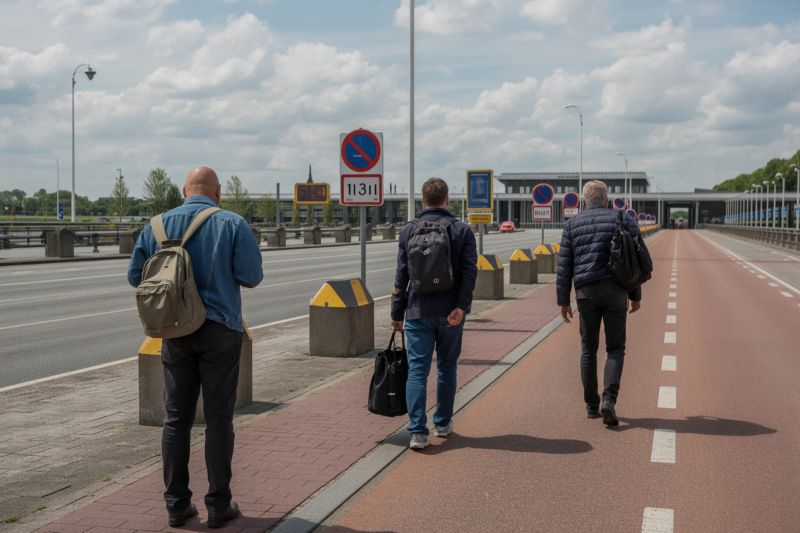 Image generated with Ai
Beginning October 12, 2025, the European Union will start implementing a new digital border system, impacting how border control manages Schengen countries, the Netherlands included. Enhanced security and efficient border crossings will be achieved under the new European Entry/Exit System (EES) through the collection of biometrics, including facial data and fingerprints. These changes will affect everyone’s border crossing experience, especially tourists and business travelers from outside the EU. Here’s what travelers to the Netherlands will need to know starting this October.
Introduction of the European Entry/Exit System (EES)
The European Union has long aimed to modernize border management, and the rollout of the Entry/Exit System (EES) represents a major leap forward. This system is designed to collect and store biometric data from travelers—specifically, fingerprints and facial images—when entering and exiting the Schengen Area. The new system aims to enhance security, streamline the border process, and prevent fraud and overstays, particularly for non-EU travelers.
Advertisement
Advertisement
The EES will be implemented gradually across 29 European countries, starting in October 2025 and running through the first half of 2026. For the Netherlands, this means the system will slowly be introduced at external border points, with full operational status expected by April 9, 2026.
What Does This Mean for Travelers to the Netherlands?
As one of the most visited countries in Europe, the Netherlands draws millions of tourists each year, with Amsterdam being a major hotspot for international visitors. For tourists planning to visit from outside the European Union, these changes will affect their experience at the border.
Advertisement
Advertisement
If you are traveling to the Netherlands for a short stay, such as tourism or business, you may be required to provide biometric data at border control. This includes having your fingerprints and facial image taken, along with answering a few questions about your travel. While these checks will not begin immediately at every border point, travelers should expect longer wait times as the system rolls out across various checkpoints.
What Are the New Passport Requirements?
The Netherlands is part of the Schengen Area, meaning it follows uniform entry rules set by EU regulations. For travelers entering from non-EU countries, such as the UK or the United States, there are important passport requirements to keep in mind.
Advertisement
Advertisement
- Passport Validity: Your passport must have been issued within the last ten years from your arrival date. If your passport was renewed before October 1, 2018, it might not meet this requirement.
- Expiration Date: Your passport must be valid for at least three months beyond your planned departure from the Schengen Area.
These rules ensure that visitors comply with EU travel regulations and minimize issues at border control.
Impact of the EES on Non-EU Nationals
The EES will primarily affect non-EU nationals traveling to the Netherlands. For short stays (up to 90 days), those who do not require a visa or those holding short-stay visas will need to undergo biometric scanning. This new process is designed to better track entries and exits from the Schengen Area and prevent overstays.
Advertisement
Advertisement
For travelers from the UK, this is particularly relevant. While UK nationals will no longer have the automatic freedom of movement they once enjoyed as EU citizens, the EES system ensures that border management will be more secure and organized. Travelers will have their entry and exit dates registered electronically, and biometric data will help prevent identity fraud and illegal overstays.
What Changes Will Travelers Notice at the Border?
With the new biometric checks, travelers to the Netherlands will experience several key changes at the border:
- Biometric Data Collection: Upon arrival in the Netherlands, travelers will need to have their fingerprints and facial images taken at the border. This data will be stored in the EU’s central system, allowing authorities to track entries and exits more accurately.
- Electronic Registration: Entry and exit information will be recorded electronically in the EES system. This means that travelers will not only be tracked at the initial entry but also when leaving the Schengen Area, helping to ensure they do not overstay their allowed period.
- Shorter Wait Times in the Long Run: While the system will initially add some extra time at the border as travelers get used to the process, the goal is for the EES to make border checks more efficient in the future. With electronic data storage and processing, wait times for future visits should decrease as the system learns to identify travelers quickly.
- Overstay Detection: One of the key benefits of the system is its ability to automatically flag travelers who overstay their permitted 90 days within any 180-day period. If you exceed this limit, the EES system will alert authorities, and you could face penalties, including fines or future entry restrictions.
Changes for UK Nationals Visiting the Netherlands
For UK nationals, the EES will be the first major border change since Brexit. As a non-EU country, the UK is now subject to the same border checks as other non-EU travelers. Travelers from the UK will need to comply with the new biometric data collection and passport validity requirements.
Although the UK is no longer part of the EU, the introduction of the EES system may create a smoother, more organized travel experience in the long run. UK nationals will be able to use the system for future trips, reducing the need for manual checks each time they enter or exit the Schengen Area. The digital system, which holds traveler data for up to three years, will allow repeat visitors to pass through border control more swiftly, as their information will already be stored.
Advertisement
Advertisement
The EES and Enhanced Border Security
Beyond improving efficiency, the EES system also serves a critical security role. By collecting biometric data, the EU aims to combat identity fraud and criminal activity more effectively. This new system will help the Netherlands and other Schengen countries track and monitor travelers more accurately, improving security while maintaining a smooth experience for law-abiding visitors.
The EES also helps combat terrorism and serious organized crime by verifying travelers’ identities. With the added protection of biometric data, authorities can ensure that those crossing borders are who they say they are, reducing the risk of illegal activities like human trafficking, smuggling, and document fraud.
What Travelers Need to Know
Starting October 2025 the European Entry/Exit System will be a brand new change for international visitors to the Netherlands and Schengen countries. There may be longer wait times in the early stages, but eventually the hassle will ease. Also, make sure to double-check the rules for passport validity and be ready to provide biometric identification when entering and exiting the Nederlands.
For tourists and business visitors alike, the EES will make travel easier while improving security, efficiency for the entire European continent. Take the necessary steps by checking that your travel documents fulfil the latest standards. This will make your future trip to the Netherlands hassle-free.
Advertisement
